When critical warehouse positions remain unfilled, the ripple effects can be felt throughout the entire supply chain. Whether you operate in North Carolina, Northern Georgia, or Southern Virginia, the demands of the modern logistics landscape make it imperative to keep skilled personnel on hand. From forklift operators to production line workers, every role fulfills a unique function that ensures products keep moving and customers remain satisfied. Recognizing these positions as irreplaceable components of daily operations is the first step toward safeguarding productivity and staying competitive. At the same time, understanding the hidden costs associated with vacancies can help prevent budget overruns, strained teams, and exhausted workers. Primero Staffing has seen firsthand how proper Warehouse Staffing Solutions and hiring strategies can streamline workflows and fortify a company’s bottom line, especially in the light industrial and manufacturing sectors.
Understanding the Domino Effect of Vacancies
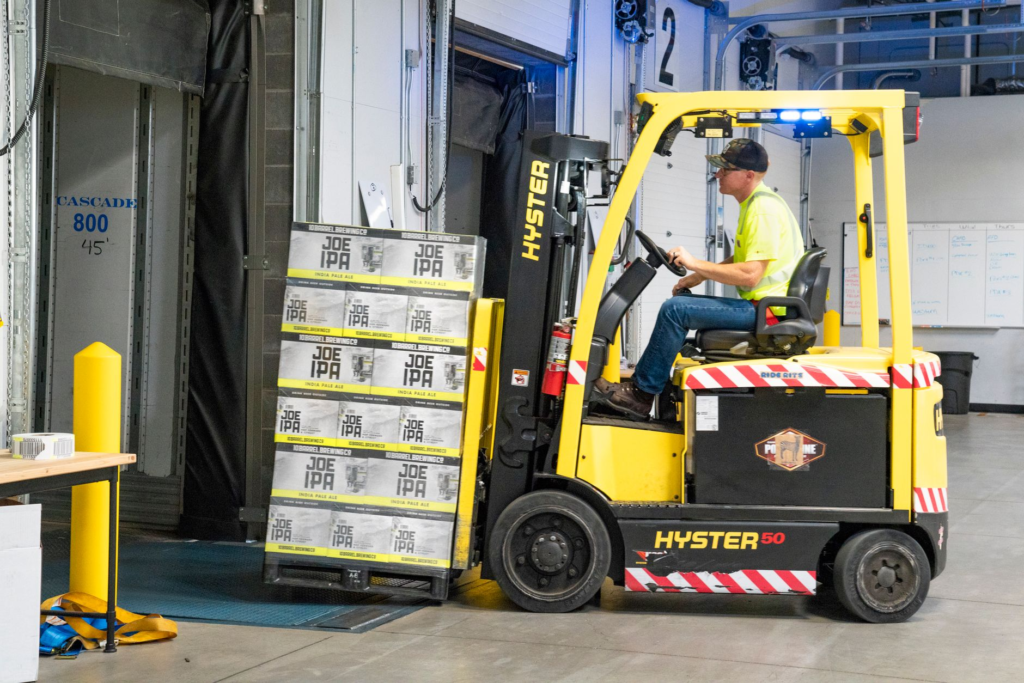
Leaving key warehouse roles unoccupied for too long sets off a chain reaction of inefficiencies. When essential duties remain undone, it often leads to slower order fulfillment and disjointed workflows. In practical terms, if a forklift driver calls in sick and there’s no backup plan, everyone from machine operators to picker-packers may have to pitch in at a moment’s notice. This improvisation can cause miscommunication, confusion, and ultimately disrupt the entire production line.
Over time, repeating this pattern creates a stressful environment where tasks pile up faster than they can be completed. This domino effect not only decreases daily output but also puts excessive pressure on remaining employees.
Moreover, a workforce stretched too thin is prone to making mistakes. In warehousing and logistics, errors such as overlooked safety checks or picking inaccuracies can translate into tangible losses. Late shipments cost more than just expedited freight charges—they also chip away at your company’s credibility among customers and partners. Additionally, when routine maintenance inspections are delayed due to short staffing, the risk of equipment failure climbs considerably. These are the often overlooked vulnerabilities that can emerge from prolonged understaffing.
Reevaluating Your Hiring Timeline to Contain Costs
One of the best ways to address the ongoing challenge of unfilled roles is to shorten the gap between identifying a vacancy and filling it. Adopting a proactive hiring process can serve as a powerful defense against spiraling overtime expenses and mounting productivity losses. Rather than waiting for a vacancy to become a glaring operational bottleneck, forward-thinking managers track potential issues, such as spikes in turnover or seasonal inventory surges, so they can respond quickly. Identifying these signs early helps companies avoid a scramble that forces remaining employees to compensate for the shortfall.
Establishing a standardized approach to recruitment also expedites the process of attracting qualified candidates. This may involve well-structured job postings that outline explicit responsibilities and skill requirements for each position. Streamlined application procedures further increase the likelihood of securing top talent ahead of competitors. The end result is a swift and deliberate hiring method, which helps eliminate costly inefficiencies and helps maintain a steady operations tempo.
Cross-Training as Insurance for Critical Roles
Thriving warehouses often rely on teams that can effortlessly pivot from one task to another. By establishing robust training and cross-training programs, existing employees acquire the versatility to cover for unfilled roles. For instance, a forklift driver might learn how to execute basic order-picking procedures, or a production line team member might become familiar with packaging tasks. When vacancies emerge, these cross-trained employees can temporarily fill the gap, significantly reducing bottlenecks.
This approach not only creates a more agile workforce but also enhances overall camaraderie. Employees who understand multiple aspects of the operation tend to communicate better, appreciate each other’s contributions, and possess a shared sense of responsibility for getting orders out on time. An investment in cross-training becomes a form of insurance against unexpected staffing shortages, ensuring that the facility remains operational even when faced with sudden vacancies.
Striking the Right Balance Between Overtime and Employee Well-Being
Relying heavily on overtime might seem like a short-term solution to filling vacant shifts, but the cumulative impact on both morale and costs can be severe. Overtime hours increase expenses, contribute to burnout, and potentially erode quality standards. Workers pushing beyond their normal limits often report stress and fatigue—two factors that elevate the likelihood of errors in a fast-paced environment. Mistakes are not just an inconvenience; they translate into returns, rework, and potential safety hazards.
Strategic workforce planning offers a more sustainable approach. By analyzing historical data, decision-makers can forecast busy periods when customer orders peak and plan employee schedules accordingly. Through a blend of part-time staff, temporary help, and consistent monitoring of output goals, warehouses can smooth out workflow fluctuations without overstretching their teams. Distributing duties fairly and transparently fosters an environment where employees remain motivated to perform at their best, rather than feeling pinned down by never-ending overtime shifts.
Preserving Quality Control and Safeguarding Customer Loyalty
Every minute that a crucial role remains unfilled carries the potential to undermine quality control. Imagine a production floor with a missing machine operator. Other staff members scrambling to cover this function could overlook small but important details—like double-checking product labeling or reviewing completed orders for accuracy. These oversights become pricey mistakes in the long run, particularly when refunds, replacements, and negative reviews enter the picture.
Moreover, in an era where consumers expect real-time tracking and punctual deliveries, even minor delays can damage a brand’s reputation. Warehouses that operate close to full capacity minimize disruptions, allowing staff to devote full attention to each stage of the supply chain. Routine inspections and adherence to industry regulations remain a priority, rather than an afterthought. Ensuring accuracy and timeliness in this manner can mean the difference between loyal, repeating customers and those who choose a more reliable competitor after one subpar experience.
Adapting to Demand with Flexible Staffing Solutions
Smaller operations can especially feel the burden of unfilled positions. Limited budgets often leave little room for surplus headcount that sits idle during slow periods. This situation underscores the value of partnering with specialized staffing providers who can supply on-demand talent, whether it’s a temporary contract to meet seasonal upticks or a longer-term placement to fill more permanent roles. Contract-to-hire programs can further mitigate risk by providing businesses with a chance to gauge a worker’s performance and cultural fit before extending a full-time offer.
Adopting a flexible workforce model keeps the production cycle running smoothly without the large upfront investment of permanent hires. Whether the urgent need is a warehouse supervisor or a custodial technician, leveraging an adaptable pool of labor helps companies respond fluidly to market fluctuations. In turn, these practices lead to fewer bottlenecks in core processes and reduce the hidden costs associated with chronically vacant positions.
Cultivating a Workplace That Retains Its Valuable Team Members
High turnover is one of the stealthiest contributors to ongoing vacancies. Retaining top performers isn’t just about offering competitive wages—it’s about providing a positive, growth-oriented workplace where individuals feel valued. Recognition programs, skill-building workshops, and mentorship initiatives can all encourage a sense of belonging and professional development. When employees see a clear path forward within the organization, they’re more likely to stay, thereby reducing the frequency of last-minute hiring needs.
Frequent communication plays a central role in creating this sense of community and trust. Setting up open forums, one-on-one check-ins, or even anonymous feedback channels can keep managers informed of team morale and operational challenges. Workers who feel heard are often more satisfied, more engaged, and less inclined to explore other opportunities. This dedication and loyalty translate into consistent performance levels and fewer staffing crises that can derail productivity.
Real-World Lessons and Taking Effective Action
Consider a distribution center that systematically addressed its gaps by tapping into flexible staffing arrangements. Each new contract hire was paired with a mentor, promoting faster onboarding and better overall integration. Once the center stabilized its daily labor needs, carefully coordinated cross-training modules were introduced to enhance operational flexibility. Team morale improved as employees began to see how their roles fit together, reducing avoidable oversights and reinforcing a spirit of collective achievement. This real-life example illustrates how a balanced approach—one that anticipates staffing requirements, fosters employee growth, and fine-tunes workflow—alleviates hidden costs in the long run.
Staying vigilant with resource planning, building robust cross-training programs, and nurturing a positive work culture all contribute to sustained success in the demanding world of warehousing and logistics. It can make the difference between constantly playing catch-up and confidently hitting performance benchmarks. Even the smallest improvements in these areas often yield bigger-than-expected gains in efficiency and profitability—advantages that allow businesses to remain nimble and adaptable in a fast-moving industry.
Next Steps
By thinking strategically and acting swiftly in hiring and retention, organizations can circumvent the overlooked expenses that stem from critical roles sitting empty. It isn’t just about maintaining enough hands on deck; it’s about protecting your brand’s reputation, fostering a safe work environment, and ensuring that every order is processed correctly and on time. Ultimately, a proactive mindset about staffing reinforces the entire supply chain by balancing forward momentum with dependable support.
If you are seeking a dependable way to address persistent staffing challenges in the Southeastern U.S. market, Primero Staffing is ready to serve as a trusted ally. The combination of flexible staffing strategies, meaningful employee development, and nimble recruitment practices can help businesses avoid the hidden costs of prolonged vacancies. By staying prepared and prioritizing the wellbeing of your workforce, you can keep operations smooth, morale high, and customers satisfied—both now and in the future.