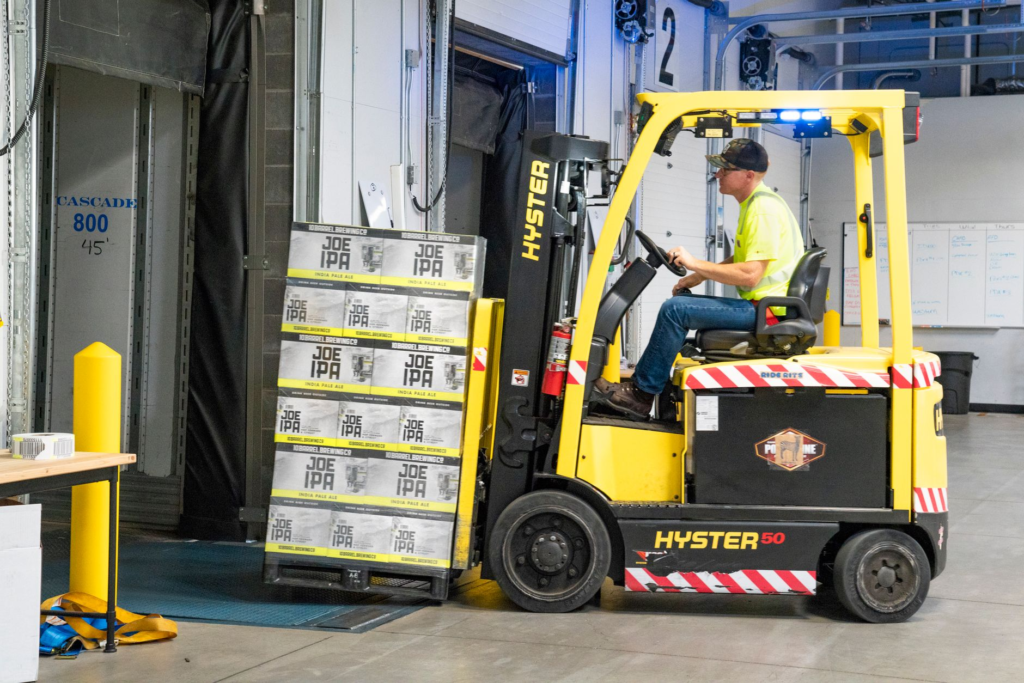
When Safety Takes a Backseat: The Hidden Costs of Compliance Shortcuts During Peak Manufacturing Seasons
You know that sinking feeling when OSHA shows up unannounced during your busiest production period? As a HR manager in manufacturing, you’re already juggling staffing shortages, production deadlines. Training new hires. The last thing you need is a safety violation that could cost your company thousands—or worse, result in a preventable injury. Yet here’s the harsh reality: 70% of workplace accidents in manufacturing occur during peak production periods when temporary staff levels are highest and safety protocols often get rushed. The pressure to meet quotas can create a perfect storm where compliance takes a backseat to productivity, leaving your organization vulnerable to both human and financial costs.
The Real Price Tag of Safety Shortcuts in Manufacturing
When production demands spike, it’s tempting to fast-track orientation or skip refresher training for experienced workers. But consider this: The average OSHA fine for serious violations now exceeds $15,000 per incident, while the indirect costs of a single workplace injury—including lost productivity, increased insurance premiums. Potential litigation—can reach $50,000 or more. Manufacturing facilities face unique compliance challenges that compound during busy seasons:
• Increased temporary workforce: New workers are 5x more likely to experience workplace injuries in their first month
• Equipment strain: Machinery running at maximum capacity requires more frequent safety checks
• Fatigue factors: Overtime and extended shifts increase error rates by up to 30%
• Communication gaps: Language barriers and varying experience levels among temporary staff
• Documentation demands: Maintaining accurate safety records becomes more complex with workforce fluctuations
The National Safety Council reports that manufacturers lose approximately $171 billion annually due to workplace injuries—a staggering figure that doesn’t even account for the human toll on workers and their families.
Building a Safety-First Culture During Peak Production Periods
Creating a robust safety culture doesn’t happen overnight. However, implementing thoughtful practices during high-demand periods can considerably reduce your risk exposure. Here’s how leading manufacturers maintain compliance without sacrificing productivity:
1. Pre-Season Safety Audits
Before your busy season hits, conduct comprehensive safety assessments of all equipment, processes. Protocols. Document any gaps and address them forward-thinkingly rather than reactively.
2. Streamlined Onboarding Protocols
Develop modular training programs that can be delivered streamlinedly without cutting corners. Consider digital training platforms that ensure consistency while tracking completion rates automatically.
3. Buddy System Implementation
Pair temporary workers with experienced safety champions who can provide real-time guidance and reinforce proper procedures throughout their shifts.
4. Daily Safety Huddles
Five-minute pre-shift meetings keep safety top-of-mind and allow Teams to address specific hazards related to that day’s production goals.
5. Visible Safety Metrics
Display real-time safety performance data prominently on the production floor. When workers see”Days Without Incident” counters and team safety scores, accountability becomes part of the culture.
Leveraging thoughtful Staffing Partnerships for Compliance Success
Your staffing partner should be more than just a source of warm bodies during crunch time—they should be your first line of defense in maintaining safety standards. A compliance-focused staffing partner brings several critical advantages:
Pre-Screened, Safety-Trained Candidates
Quality staffing agencies maintain pools of workers who already understand basic manufacturing safety protocols, reducing your onboarding burden while ensuring baseline compliance from day one.
Documentation and Verification Systems
Professional staffing partners handle certification tracking, background checks. Safety training verification, creating an audit trail that protects your organization during inspections.
Scalable Safety Resources
When you need to ramp up quickly, having access to workers who’ve been pre-trained on industry-standard safety practices means you can maintain compliance even as your workforce doubles or triples.
Injury Prevention Programs
Leading staffing agencies implement their own safety programs, including stretch-and-flex routines, ergonomic assessments. Ongoing safety communications that complement your internal efforts.
Practical Steps to Enhance Your Safety Program right now
You don’t need to overhaul your entire safety program overnight. Start with these actionable improvements that deliver immediate impact:
• Conduct a compliance gap analysis: Identify your three highest-risk areas and develop targeted improvement plans
• Invest in multilingual safety materials: Ensure all workers can understand critical safety information regardless of language barriers
• Implement near-miss reporting: Create a no-blame system for reporting close calls to prevent future incidents
• Schedule regular equipment maintenance: Don’t let production pressures delay critical safety inspections
• Partner with safety-conscious vendors: Choose suppliers and staffing partners who share your commitment to workplace safety
Remember, every dollar invested in safety programs returns $4-6 in reduced costs from injuries, according to OSHA’s own research. The question isn’t whether you can afford to prioritize safety—it’s whether you can afford not to.
Transform Your Safety Outcomes with the Right Support
Manufacturing excellence requires more than meeting production quotas—it demands protecting your most valuable asset: Your people. When you partner with a staffing provider who understands the intricate balance between productivity and safety compliance, you’re not just filling positions. You’re building a sustainable competitive advantage. The most successful manufacturers recognize that safety and productivity aren’t competing priorities—they’re complementary forces that drive long-term success. By implementing robust safety protocols and partnering with compliance-focused staffing providers, you can navigate peak seasons confidently while protecting both your workers and your bottom line. Ready to elevate your safety performance while meeting aggressive production goals? Connect with a staffing partner who prioritizes compliance as much as you do. The right partnership ensures you never have to choose between meeting deadlines and protecting your team. Don’t wait for an incident to expose gaps in your safety program. Take forward-thinking steps right now to create a workplace where safety and productivity thrive together.