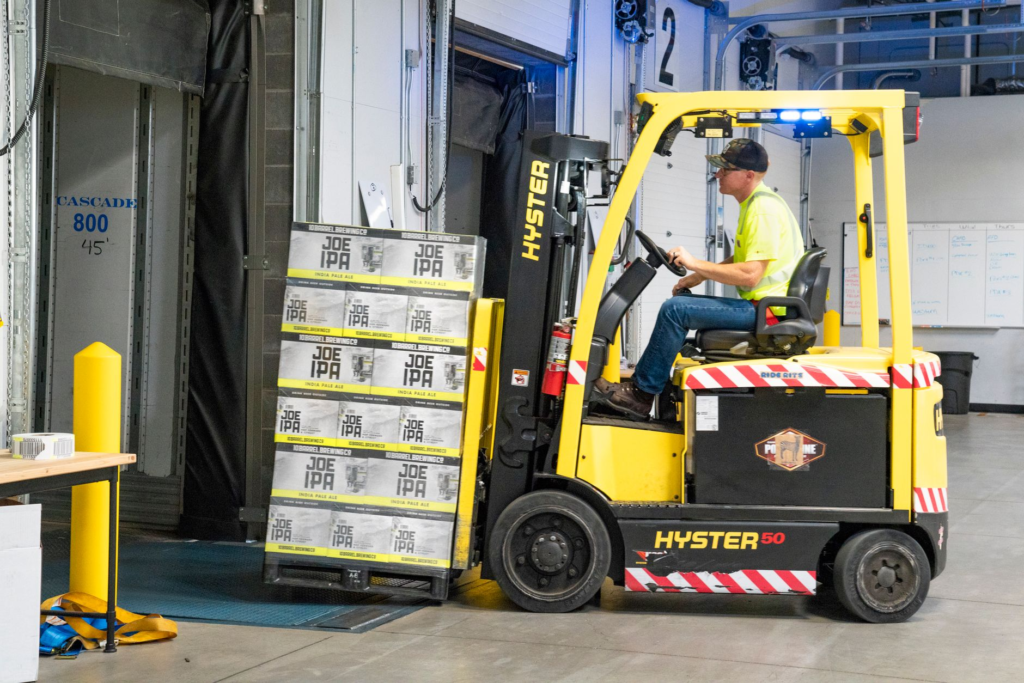
Supply chain operations serve as the heartbeat of commerce, ensuring that products flow from manufacturers to consumers without interruption. However, in recent years, many organizations have struggled to find enough skilled professionals to handle warehouse, manufacturing, and light industrial tasks. This gap can delay production, cause logistical bottlenecks, and even undermine customer satisfaction if orders aren’t processed in a timely manner. At Primero Staffing, a leading provider of workforce solutions in parts of the Southeastern United States, the importance of finding the right people for the right roles remains a core focus, to create Supply Chain Staffing Solutions.
The Growing Complexity of Supply Chains
The realm of logistics has evolved significantly thanks to advances in technology and shifting consumer expectations. Online shopping, for instance, has intensified the need for faster and more accurate order fulfillment. Moreover, various industries—ranging from pharmaceutical manufacturers to electronics distributors—rely on a fluid supply chain to maintain customer loyalty.
Yet, even though the demand for warehouse associates, forklift operators, and production line workers has grown steadily, the available labor market often struggles to meet these needs. This discrepancy results in an environment where competition for capable employees is fierce, and businesses risk operational slowdowns when they can’t recruit quickly.
Why Labor Shortages Matter
When positions remain unfilled for extended periods, the effects ripple through every stage of a company’s process.
- Production lines might slow down due to inadequate staffing, leading to missed deadlines.
- Warehouses without enough order pickers or packers risk delayed shipments, which can harm client relationships and lessen consumer trust.
- Overworked employees are prone to burnout or mistakes that reduce productivity even further.
- Organizations might spend more on overtime pay to compensate for these workforce gaps. Such costs can erode profit margins if not managed effectively.
Given these potential pitfalls, businesses need strategic solutions that not only address immediate shortages but also anticipate future requirements.
The Value of Specialized Staffing Partners
Enter specialized staffing firms, which act as an extension of a company’s human resources department. These partners conduct in-depth analyses of an organization’s operational requirements to find the perfect match for each opening. Skilled recruiters implement screening processes to ensure prospective employees have the necessary certifications, soft skills, and aptitudes.
This approach becomes indispensable for roles that demand precision, such as machine operators working with sensitive equipment or forklift drivers navigating tight warehouse spaces.
By collaborating with a staffing partner, companies gain immediate access to a large pool of job seekers who have already been evaluated. Beyond accelerating the hiring timeline, this arrangement bolsters quality control. Instead of asking unqualified candidates to learn roles on the fly—which can compromise safety and efficiency—companies bring on personnel who can hit the ground running. This dual emphasis on speed and skill alignment makes a decisive impact on overcoming labor shortages while securing a consistently high level of performance.
Strategic Workforce Planning for Changing Demands
Seasonal spikes, unexpected surges in consumer orders, or even market downturns can alter staffing needs overnight. A flexible, proactive system is key to weathering these fluctuations. Staffing agencies excel at analyzing historical data on output volumes, projected growth, and production cycles to forecast future labor requirements. By identifying peaks and valleys in demand, they empower businesses to plan their hiring accordingly.
This level of foresight reduces the risk of finding oneself short-staffed during crucial periods. For instance, a distribution center anticipating a holiday rush can work with a staffing partner to line up a roster of temporary workers prepared to step in at the right moment. The result is a labor force that is robust enough to tackle high-intensity tasks, yet scaled appropriately to prevent excess overhead costs during quieter times.
Diversified Talent Pools and Recruiting Channels
Successful recruitment often hinges on reaching potential candidates through multiple channels. Staffing experts use job boards, community outreach, and targeted job fairs, among other methods. They also maintain ongoing relationships with job seekers who have proven track records and specialized skill sets. This deep talent pipeline translates into a pool of forklift drivers, order selectors, packers, and warehouse custodial technicians ready to step in with minimal delay.
Diversity within these talent pools fosters many advantages. When employees bring varied backgrounds, perspectives, and experiences, businesses gain innovative approaches to problem-solving, better risk management, and stronger teamwork. Moreover, a more inclusive environment helps attract top-tier candidates who select employers that value a dynamic and balanced workforce.
Precision in Skill Matching
Recruiting is about more than simply filling a vacancy; it’s about matching the right skill sets to the right roles. A machine operator might require advanced technical aptitudes and familiarity with digital controls, whereas a picker/packer role might emphasize meticulous attention to detail and a knack for organizing items by size or weight. Through assessments, practical tests, and background evaluations, staffing professionals narrow down which individuals will excel in specific tasks.
This tailored approach helps avoid the costly mistake of bringing an individual on board who doesn’t fully align with the position’s demands. It also creates a smoother work environment where each contributor is confident in their role. As a result, businesses see higher productivity rates and benefit from a workforce that can adapt quickly to changing procedures or updated machinery.
Agility and Short-Term Placements
In fast-paced industries, anticipating every workload spike is not always possible. Sudden opportunities, an urgent client request, or a new product line might require bolstering staff levels overnight. Staffing agencies provide the ability to rapidly adjust your workforce as needed, whether for a short-term special project, contract-to-hire arrangement, or even immediate crisis management.
Their extensive database of pre-screened candidates allows for swift placements, enabling businesses to keep operations on schedule without compromising quality.
This flexibility is particularly beneficial for smaller organizations which cannot afford to maintain large permanent rosters. They can scale up for demand surges and scale back down without facing the administrative headaches of layoffs or unoccupied employees. The quick turnaround time helps protect cash flow while meeting deadlines and contractual obligations.
Empowering Small and Mid-Sized Enterprises
Larger brands often have entire human resource teams dedicated to recruitment, training, and retention. On the other hand, smaller companies and growing firms may lack the bandwidth to tackle exhaustive candidate searches or keep up with evolving labor laws. Staffing alliances can bridge this gap. In addition to providing well-suited personnel, these partners handle tasks like background checks, onboarding support, and compliance documents.
Their industry expertise ensures competitive wage offerings and helps shape benefits packages that attract top-tier talent, even on a smaller company budget.
For businesses trying to stand out, this guidance goes a long way in creating a desirable work environment. Moreover, having access to specialized talent layered with administrative support relieves managers of resource-intensive tasks, allowing them to focus on other pressing responsibilities.
Supporting Long-Term Workforce Development
Once job vacancies are filled, keeping your labor force engaged and satisfied becomes the next priority. High turnover is both expensive and disruptive. Many staffing agencies pursue retention strategies that extend beyond placement. For instance, they conduct periodic performance reviews, gather feedback from both employees and supervisors, and facilitate additional training sessions. Equipping workers with new competencies fosters motivation and loyalty, while also enhancing the team’s overall capabilities.
When employees feel empowered by training opportunities and see potential for advancement, they invest greater energy in their day-to-day tasks. Some organizations encourage mentorship programs—pairing seasoned forklift drivers with newcomers or matching tenured warehouse supervisors with aspiring leaders. These initiatives nurture a sense of community and position the workforce to adapt to future production demands with confidence.
Looking Ahead in an Ever-Evolving Supply Chain
The interplay of technology, global market shifts, and consumer habits suggests that the supply chain landscape will continue to transform. Businesses that see labor solutions as an ongoing strategic priority—rather than a temporary fix—set themselves up for success. Staffing partners serve as key advisors, helping organizations fine-tune their workforce structure and refine best practices.
By focusing on constructive recruitment methods and retention plans, companies can minimize disruptive staffing gaps that threaten productivity and customer satisfaction. This sense of preparedness is valuable whether you run a modest operation serving local communities or a larger entity distributing goods nationwide. In a climate where resilient supply chains are more critical than ever, maintaining a steady flow of qualified workers can mean the difference between thriving and falling behind.
Next Steps
In the drive to overcome ongoing labor shortages, specialized staffing solutions have emerged as a powerful ally, equipping businesses with the know-how to remain attentive to changes in the market. Through careful forecasting, extensive talent networks, and tailored workforce planning, organizations can sidestep stalled production lines and meet consumer demand seamlessly. When it comes to light industrial, warehouse, and manufacturing staffing needs in Southeastern hubs, Primero Staffing stands ready to lend comprehensive support. By partnering with a dedicated staffing provider, companies gain a trusted collaborator that alleviates hiring pressures and empowers them to keep moving forward with confidence.