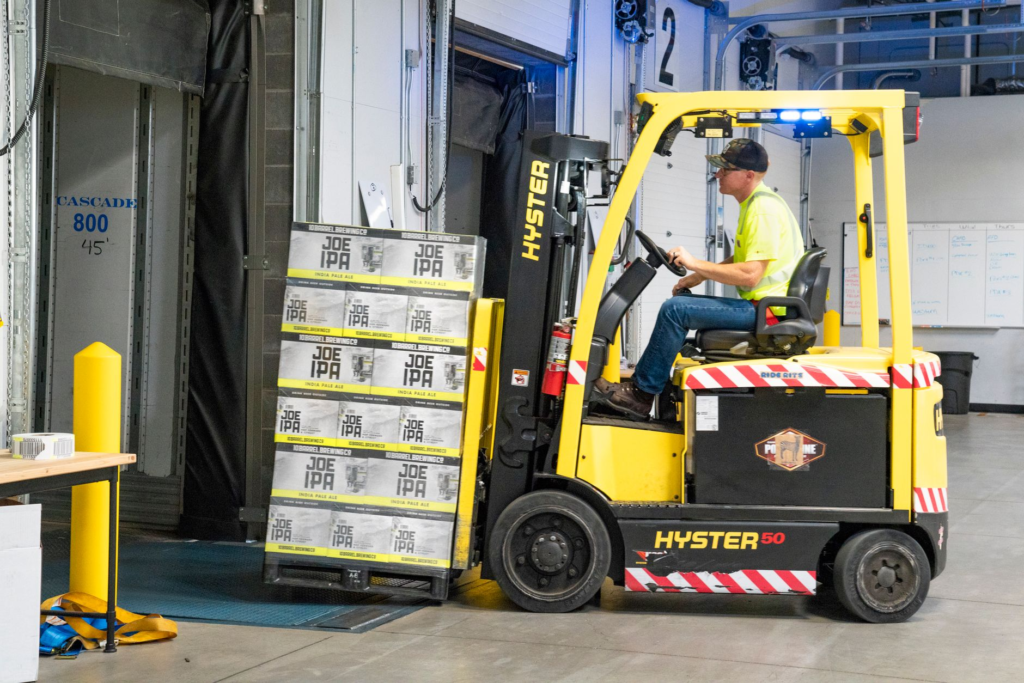
Staffing costs can quickly eat into the operational budgets of companies striving to stay competitive in the bustling Southeastern region. From machine operators and forklift drivers to warehouse custodians and picker/packers, finding the right people at the right cost is a perpetual challenge. Primero Staffing understands these challenges and helps businesses situate the most qualified candidates in roles that are pivotal to keeping operations on track. While many organizations have grown accustomed to traditional markup-based models, there’s a more transparent way to manage recruitment expenses: a flat-fee structure.
The Pitfalls of Markup-Based Pricing
In a markup-based system, staffing providers typically add a fixed percentage onto each worker’s hourly wage. It’s practiced widely, but that doesn’t necessarily mean it’s beneficial for every organization. The fundamental issue is unpredictability—hiring managers might think they have their costs neatly laid out, only to discover that higher wages for skilled specialists translate into inflated invoices. This phenomenon is most evident when businesses ramp up treasury around peak seasons, like holiday surges or end-of-quarter deadlines. Although it’s familiar, markup pricing can be less than ideal for those looking to keep overhead in check.
Warehousing and light industrial fields often face razor-thin margins, so every added cost matters. Markup-based structures can catch companies off guard if wage rates climb due to market shortages or specialized skills. For instance, if an order selector’s pay is well above the average, the associated surcharge rises in tandem. Not only does this complicate budgeting, but it can also hamper a company’s capacity to expand its talent pool. Instead of focusing on evaluating each potential employee’s suitability, hiring teams may find themselves second-guessing whether they can afford the inflated fees that arise with each candidate hired at a higher pay rate.
Eliminating Budget Surprises Through Predictable Fees
Organizations longing for greater cost control often discover that flat-fee staffing solves many of the headaches tied to unpredictable budgets. By setting a clear, unchanging rate for each placement, leaders eliminate the guessing game that has long plagued the world of recruitment. Rather than agonizing over the possibility of a last-minute surge in wages for specialized roles like machine operators, decision-makers know precisely what they will pay, enabling sharper financial forecasting.
Envision a mid-sized distribution center preparing for the year-end holiday cycle. The rising demand for pickers, packers, and forklift drivers makes recruitment a top priority. Under a traditional percentage-based contract, managers might shiver at the thought of higher per-hour wages exacerbating their bills. In contrast, with a flat fee, budgets remain intact because the organization already knows the exact cost per hire. This transparency allows the leadership team to maintain focus on meeting shipping deadlines, coordinating schedules, and ensuring that safety protocols are thoroughly followed—all without unpleasant cost fluctuations.
Fostering a More Unified Partnership
Beyond cost stability, another crucial benefit of flat-fee staffing models involves forming more cohesive relationships between employers and agencies. When a staffing provider profits exclusively through a single fee, it reduces the inclination to push wages higher in search of a bigger margin. Instead, the spotlight falls on delivering top-notch talent who will thrive in the position and contribute to company objectives.
Consider a busy production line that operates around the clock to fulfill client demands. A cooperative, consultative relationship is absolutely vital for smooth workflows. Under a markup-based arrangement, staffing firms might be tempted to recommend higher pay to increase their returns, inadvertently creating friction between budgetary constraints and the drive for adequate compensation. A flat-fee approach erases that tension. Both parties can sit at the same table and determine which values—such as reliability, skill sets, or work ethic—are non-negotiable. Because all parties share a single goal of matching the right person to the right job, the emphasis rests on quality rather than manipulated pay structures.
Strategic Cost Management in Warehousing and Light Industrial Roles
Warehousing and industrial settings thrive when strategic thinking and nimble staffing converge. Completing tight deadlines for production or fulfilling a sudden influx of orders is easier when you anticipate your expenses. A flat rate for each placement functions as a built-in anchor, balancing the volatility that arises in high-volume hiring cycles.
Machine operators, for example, frequently come at premium wages due to their specialized skills. In a traditional markup model, a higher pay range instantly translates into amplified agency fees, making it more expensive to hire much-needed talent. This phenomenon can deter employers from adequately staffing their operations, and it may even result in corner-cutting measures that backfire with poor retention or inadequate performance. But when companies adopt a set fee per headcount, they can confidently meet production demands without letting wage-based fees escalate beyond control.
Enhancing Transparency and Reducing Risk
Transparency serves as the backbone of any successful working relationship, particularly when it involves something as sensitive as operational budgets. A flat-fee model frames costs in a direct, clear manner. Rather than receiving unpredictable invoices with additional costs tacked on, the organization sees a single, stable figure.
This straightforward approach also promotes deeper candidate vetting. Because staffing agencies aren’t geared toward maximizing markups, they can dedicate time and resources to background checks, drug screening, and relevant training without inflating their bottom line. Over time, this practice builds an environment of accountability, where the focus is on placing individuals who are genuinely prepared for the job. Ultimately, the workforce becomes more stable and dependable—a particularly significant factor for warehouses that can’t afford setbacks caused by improperly vetted employees.
Empowering Smaller Businesses to Compete
For family-owned packaging operations or emerging local manufacturers, an unexpectedly large staffing invoice can be devastating. Growth-stage enterprises typically have limited financial safety nets, so each allocation of funds must yield recognizable returns. When these small- or mid-scale organizations adopt a flat-fee staffing method, they can extend their focus beyond placing employees into open roles at uncertain costs. They can channel resources into building robust internship programs or refining existing processes that streamline workflows.
Imagine a packaging facility in rural Georgia needing ten production line workers during a seasonal spike. Using a percentage-based system might lead to anxiety over how increased wages would enlarge the staffing invoice. By committing to a predictable rate upfront, these smaller companies can scale up their workforce responsibly, meet customer demands, and visualize exactly how the extra hands on deck will improve the bottom line. Everyone benefits, from the business owners and managers who can plan thoroughly, to the associates who appreciate a more structured onboarding experience.
Flat-Fee Models Benefit Everyone
By choosing a flat-fee model over a traditional surcharge approach, organizations in warehousing, light industrial, and manufacturing can create a more level playing field for anything from ramping up seasonal production to maintaining everyday output. When cost structures are clear, both employers and staffing partners can unite around the overarching objective of placing motivated individuals in roles that matter. This sense of synergy drives better retention, smoother collaboration, and resilience in a competitive environment. Primero Staffing takes pride in facilitating these transparent and value-driven hiring solutions, enabling businesses to plan confidently, cultivate a high-performing workforce, and focus efforts on what truly moves operations forward.