Historically, businesses relied heavily on fully in-house teams for stability and continuity. However, new economic realities, escalating customer expectations, and an ever-accelerating pace of operations have given rise to more agile staffing strategies. One of the most forward-thinking of these models is the blended or hybrid staffing framework—a dynamic approach that combines permanent employees with contingent candidates to better align labor supply and demand.
The Rise of Adaptive Workforce Solutions
Organizations across the warehousing and light industrial landscape must navigate fluctuating production cycles, seasonal upticks, and sudden spikes in customer orders. In the past, a business might hire additional full-time personnel in anticipation of higher volume, only to grapple with surplus workforce when orders subsided. Alternatively, understaffing could overwhelm existing employees, leading to burnout and reduced overall efficiency.
A hybrid model alleviates such challenges by seamlessly augmenting the core workforce with on-demand specialists or short-term contractors, ensuring coverage without committing to long-term costs during slower months.
Moreover, the hybrid approach capitalizes on the strengths of both full-time experts and flexible supplemental workers. Full-timers bring deep institutional knowledge and a thorough grasp of company culture. Meanwhile, contingent hires can rapidly fill skill gaps, accommodate variable demand, and offer an infusion of fresh perspectives that might prompt innovative ideas. Together, these elements create a more balanced and productive ecosystem—one that is nimble enough to handle an unforeseen surge and stable enough to retain critical know-how.
Synergy Between Core Workers and Contingent Specialists
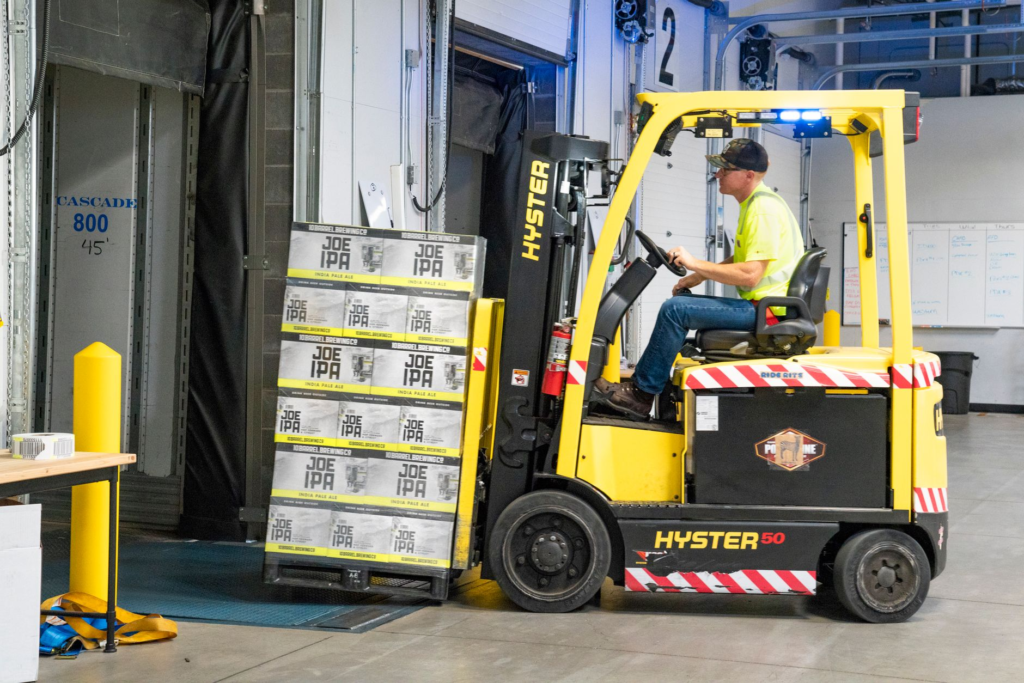
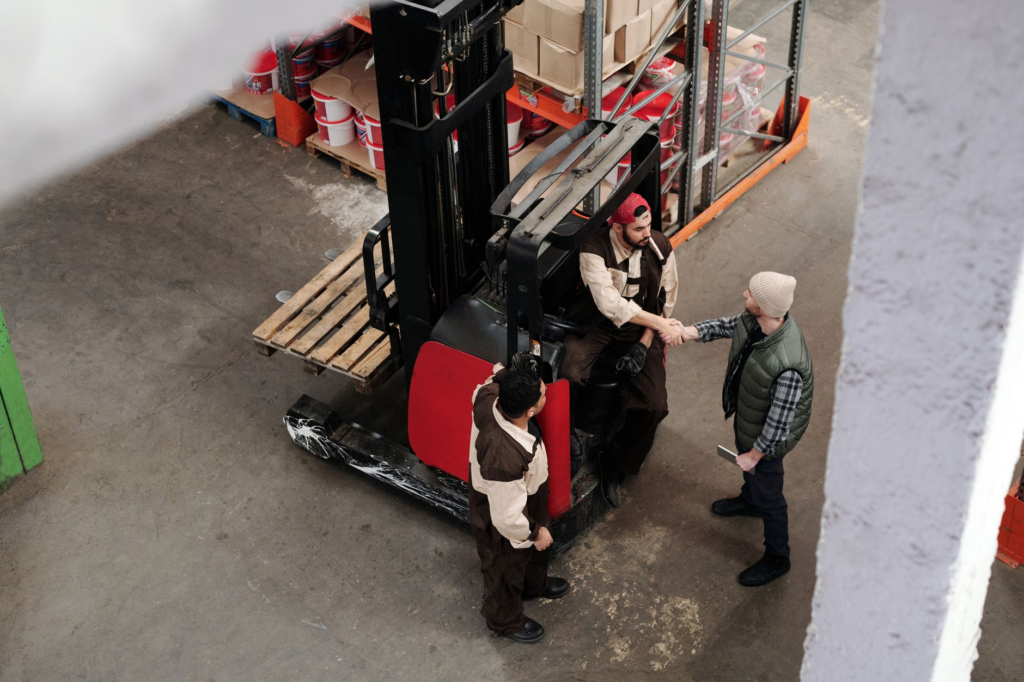
The real power of a hybrid staffing model lies in its capacity to merge seasoned professionals with newly onboarded contingent contributors, producing a cohesive, well-rounded workforce. Rather than viewing temporary hires as separate or peripheral, some organizations have discovered benefits in fostering a sense of collaboration among both groups. This might involve pairing experienced warehouse supervisors with temporary pickers to transfer operational best practices, or scheduling cross-functional team huddles that include contract forklift drivers alongside permanent machine operators.
In such scenarios, deliberate communication is crucial. Full-time employees should understand how contingent workers support their efforts, and temporary staff should be encouraged to ask for clarification on company protocols. When everyone recognizes how each role fits into the bigger picture, overall morale and performance soar. By eliminating silos, managers can avert misalignment and strengthen trust levels across the entire operation. As a result, even short-term hires can provide meaningful feedback on logistical processes or propose solutions that might otherwise remain untapped.
Crafting a Resilient Full-Time Foundation
A steadfast base of permanent employees remains essential for any effective hybrid staffing strategy. These individuals serve as the pillars of organizational continuity, representing both the culture and operational expertise that keep facilities running. In light industrial and warehousing environments, long-standing team members often have in-depth knowledge of equipment maintenance, inventory organization, and company safety standards. This experience is invaluable, especially when it comes to guiding new hires through complex tasks like managing high-capacity forklifts, conducting quality checks, or handling intricate product packaging requirements.
Nurturing this core team involves consistent training and professional development. By offering pathways for growth—e.g., certifications for warehouse supervisors, leadership courses for machine operators, or mentorship programs for entry-level associates—employers can encourage a sense of ownership and loyalty. Furthermore, a well-supported full-time unit is more likely to adapt readily when pivoting toward hybrid staffing arrangements. Employees who feel confident in their roles and career progression often display greater enthusiasm about collaborating with contingent personnel, resulting in a cooperative atmosphere that heightens overall productivity.
On-Demand Talent for Seasonal and Unanticipated Shifts
Beyond forming a reliable full-time backbone, the hybrid model thrives on the flexibility offered by temporary labor. Businesses that encounter sudden spikes—such as holiday surges, promotions from external partners, or large-scale product launches—cannot always justify immediate additions of permanent staff. To remain competitive, these firms require the ability to recruit efficiently, hiring supplementary talent precisely when demand peaks. Contingent staff can handle overflow tasks, eliminating bottlenecks that might otherwise jeopardize customer satisfaction.
For instance, imagine a distribution hub in Southern Virginia receiving a last-minute request for thousands of extra units from a major retail chain. Through a hybrid staffing arrangement, the facility could swiftly bring on extra forklift drivers, production line technicians, and picker-packers. This proactive measure prevents delays, safeguards quality, and protects current employees from the exhaustion that can result from mandatory overtime. Once the spike subsides, scaling back to a leaner operation is simpler, avoiding unnecessary financial strain during periods of reduced activity.
Benefiting from a Diverse Skill Pool
Variety in experience and backgrounds fosters creativity, adaptability, and problem-solving prowess. A significant advantage of merging permanent positions with contingent roles is the diversity of ideas that emerges when teams collaborate. Warehouse custodians, for example, may have established routines, but a temporary custodian might propose a novel cleaning approach that streamlines workflows. Similarly, contract order selectors who have worked across multiple facilities might spot inefficiencies in how products are labeled or organized, leading to measurable productivity increases.
In turn, existing employees broaden their horizons by interactions with these visiting professionals. The melding of different perspectives not only increases collective expertise but also strengthens organizational resilience. A facility with varied voices can more smoothly adapt to shifts in market demand, client needs, or technological innovation. Forward-looking organizations regularly reassess their staffing composition, seeking a balanced blend of steady, institutional knowledge and the infusion of new ideas. In this manner, they continuously refine operations and carve out a competitive edge in saturated markets.
Optimized Onboarding and Training for Seamless Integration
The success of a hybrid workforce hinges on efficient onboarding processes that ease contingent personnel into their new roles. Though short-term hires might not remain in the company long, it is vital they receive a thorough introduction to operational processes, safety standards, and workplace culture. Simple materials—like concise video tutorials or step-by-step reference charts—can accelerate learning curves. Pairing incoming workers with mentors from the permanent staff speeds assimilation, ensuring newcomers glean valuable insights from seasoned experts.
Clear, standardized guidelines on everything from machinery operation to labeling protocols diminish the likelihood of confusion or mistakes. This uniformity enhances safety and upholds quality control. Additionally, scheduling routine check-ins with temporary hires conveys that their input and well-being matter to the organization. When contingent staff feel respected and see a path to success in their roles, they are more motivated to excel—even if their involvement is brief. That motivation, in turn, bolsters the morale of existing staff, who recognize the organization’s commitment to efficient, respectful collaboration.
Sustaining Momentum Through Continuous Evaluation
Constructing a hybrid staffing model entails ongoing refinement. As market demands shift, businesses must assess whether they have the right mix of long-term and short-term resources. Key indicators such as order fulfillment rates, error or defect ratios, and employee satisfaction provide early warnings when adjustments might be necessary. An organization that systematically reviews its staffing strategies can quickly respond to changing conditions, whether that means recruiting additional temp warehouse associates or investing in further training for a core machine operator group.
In addition, feedback from both permanent and contingent employees can illuminate hidden areas for improvement. Short-term hires, who regularly move among various workplaces, can offer fresh appraisals of workflows. Meanwhile, long-time staff can outline the impetus behind existing procedures, explaining how certain legacy practices originated. By blending these viewpoints, companies gain a clearer outlook on bottlenecks and potential cost savings. Ultimately, the willingness to adapt encourages sustainable growth. Employers then stay relevant in a world where client expectations keep climbing and supply chain networks become more complex.
Finally, remember that no two businesses share identical needs. Utilizing a flexible staffing arrangement does not entail discarding current practices. Instead, it involves reflecting on your core objectives and budgetary realities, then adopting new hiring methods that supplement rather than undermine what is already working. This careful orchestration enables you to scale in response to demand, tap into specialized expertise, and reinforce a stable organizational foundation rooted in your permanent employees.
As you consider integrating hybrid staffing into your operations, remember that this approach calls for thorough planning, robust training, and consistent evaluation. Start small by piloting a handful of contract positions during peak periods. Gather feedback on how these additions influence morale and productivity. Over time, refine policies and onboarding materials to harmonize your flexible workforce with your permanent headcount.
Choose Primero Staffing
Primero Staffing, dedicated to supporting clients throughout North Carolina, Northern Georgia, and Southern Virginia, has seen firsthand how an adaptable workforce model can elevate performance while driving down operational costs. By investing in a thoughtful blend of long-term team members and flexible talent, organizations unlock a future where workforce scalability and operational resilience go hand in hand. This agile approach to recruitment positions businesses to thrive in the face of fluctuating market conditions, making the journey toward a more efficient workforce both achievable and sustainable.