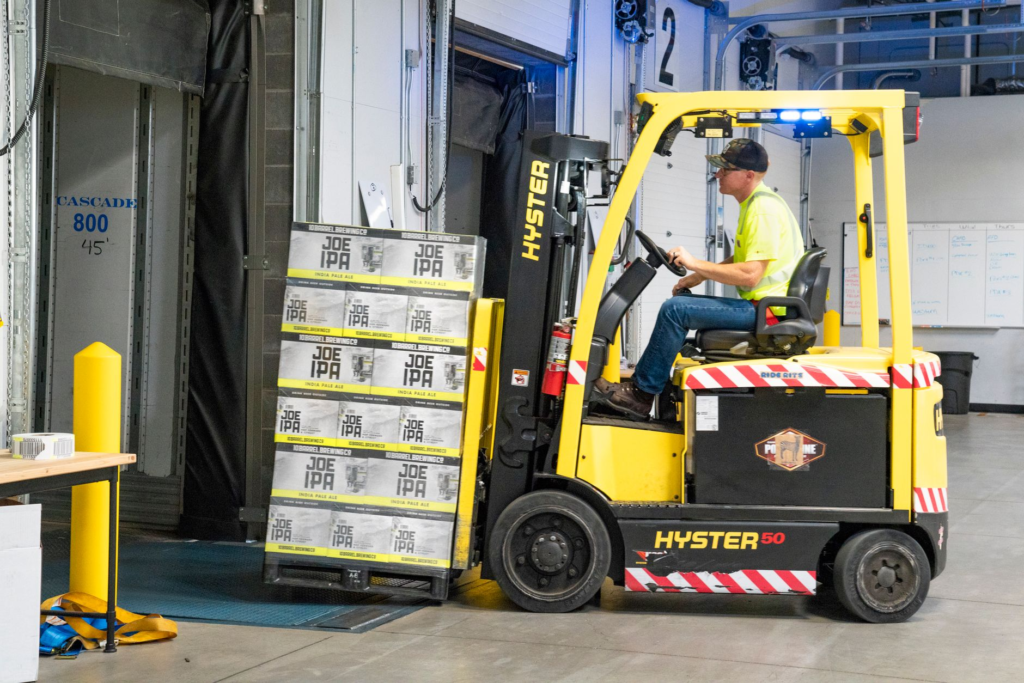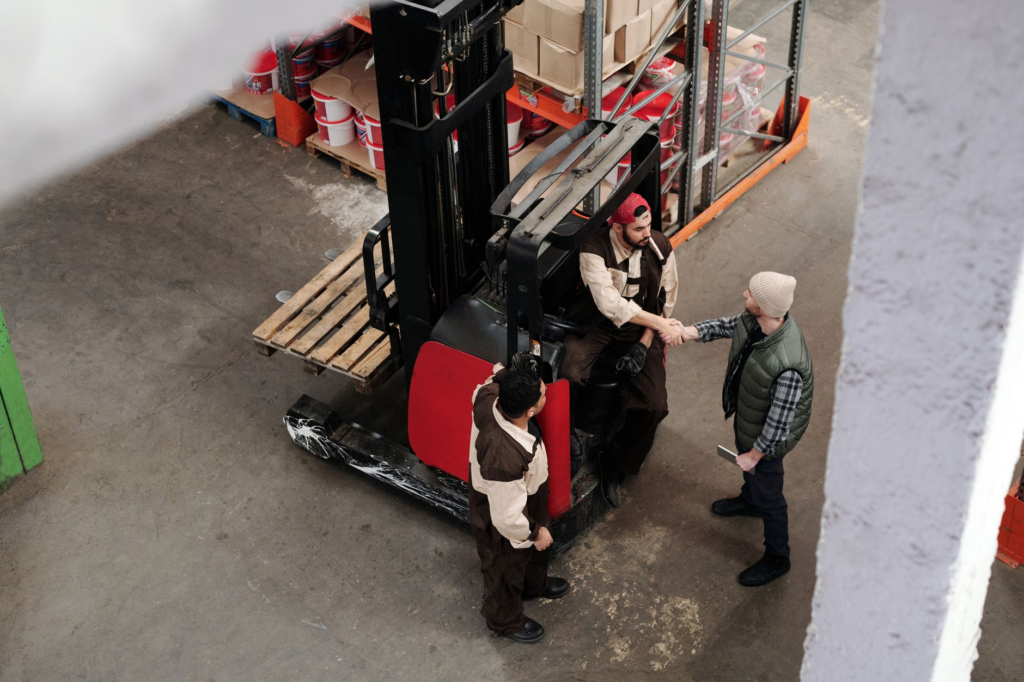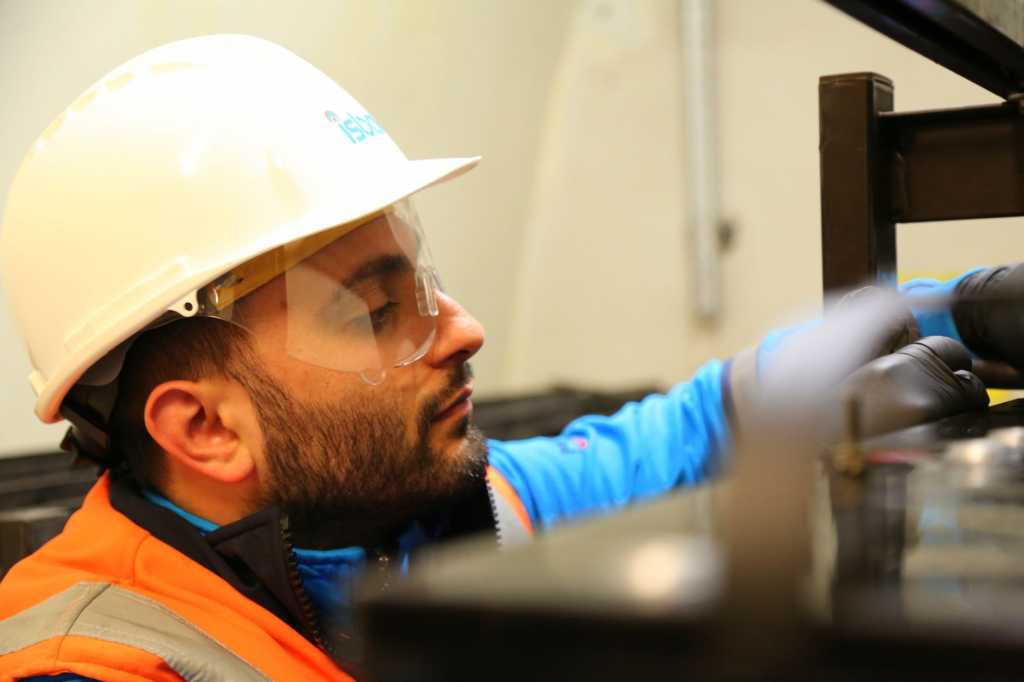
Few aspects shape a company’s reputation and profitability as much as how effectively it safeguards its personnel. A well-organized production line or warehouse picks up momentum when employees are trained to reduce errors and spot potential hazards. This proactive stance keeps operations humming from one shift to the next, avoiding unplanned disruptions that can throw off timelines. In effect, a safe environment boosts morale, preserves equipment, and prevents financial setbacks caused by workplace incidents. By prioritizing the hiring of individuals experienced in safety protocols and operational procedures, companies cultivate a streamlined ecosystem where productivity is the norm rather than the exception. Primero Staffing, a leading provider of workforce solutions in the Southeastern United States, recognizes how strategic hiring significantly reduces the risks of accidents, injuries, and costly downtime while simultaneously driving efficiency.
Building a Strong Pipeline of Skilled Candidates
Workplace safety begins long before an employee steps onto the warehouse floor. As a business leader, it’s wise to adopt a deliberate strategy to locate and engage talented professionals with a genuine commitment to best practices. Identifying stellar candidates can be done by reviewing specialty training programs, forging partnerships with local educational institutions, and participating in targeted hiring events. These approaches expand an organization’s reach into diverse labor pools, revealing dedicated workers who appreciate the value of consistent, safe operations. In many ways, meticulously building a talent pipeline fortifies the backbone of a company, allowing it to adapt to market fluctuations without sacrificing the quality of personnel.
Proactive Identification of Safety-Conscious Workers
Rather than passively posting vacancies and crossing fingers for the right fit, proactive identification focuses on connecting with individuals who have proven track records in warehouse environments. This means investing time in industry conferences, job fairs, and professional networks to discover people enthusiastic about efficient workflows and protective measures. By leveraging personal referrals, coworker recommendations, and specialized online communities, businesses can uncover reliable professionals who share the organization’s dedication to keeping the workspace risk-free. Over time, this steady hunt for top-tier talent ensures a rolling pool of workers who not only have the technical skills but also internalize the significance of abiding by safety rules.
Screening Techniques That Highlight Workplace Awareness
An effective screening process goes beyond simply matching job titles to skill lists. It delves into the intangibles of a candidate’s professional worldview, emphasizing how adept an individual is at preventing or resolving problems. Thoughtful interview questions can illuminate real-life experience, such as how someone managed a mechanical malfunction on a production line or interrupted unsafe behavior among peers. Incorporating scenario-based discussions also offers insights into how quickly a person can recognize potential hazards. By weaving careful listening into the selection phase, employers filter out applicants who may look good on paper but lack the adaptability or caution necessary to uphold a secure work environment.
Investing in Detailed Onboarding and Continuous Training
Formalizing an onboarding program ensures that new hires immediately absorb important procedures and grasp site-specific safety requirements. Workshops, hands-on training modules, and mentorship sessions can address everything from proper equipment usage to ergonomic best practices. In a fast-paced warehouse setting, novices benefit from shadowing experienced peers who model everyday tasks, from stacking items correctly to operating machinery responsibly. Over time, reinforcing these lessons through periodic refresher courses helps maintain a high level of awareness, preventing complacency. While it might be tempting to decrease training to keep budgets lean, such short-term savings often pale in comparison to the costs of preventable accidents and high turnover.
Creating a Culture of Collective Accountability
The notion of “shared responsibility” forms the cornerstone of a consistently safe work environment. Rather than leaving oversight to a single supervisor, a unified company culture invites all team members to speak up when they see something concerning. This could take the form of daily huddles where employees mention newly discovered obstacles or worn-out equipment that needs immediate attention. When every individual on the floor understands they are equally accountable, risky practices and oversights tend to diminish significantly. Moreover, recognizing and rewarding employees who take active roles in hazard prevention fosters an atmosphere of mutual vigilance. In this cultivates a setting where everyone looks out for each other, heightening both morale and operational reliability.
Cross-Training as a Catalyst for Adaptability
One underutilized approach that benefits day-to-day warehouse activities is cross-training. When personnel know how to juggle different assignments—such as pallet jack handling, basic product inspection, or order picking—they’re better equipped to transition between tasks quickly during periods of high demand. The added advantage is that cross-trained workers can flag issues in various departments because they have a well-rounded view of the workflow. For smaller operations, this approach ensures no task is left unattended when someone takes a day off or an unanticipated surge in orders hits. Ultimately, this adaptability minimizes process bottlenecks and further cements a commitment to safe, efficient work practices across all corners of the facility.
Meticulous Operational Planning to Stay One Step Ahead
A truly safe and efficient workplace hinges not only on the quality of personnel but also on the forethought that goes into daily routines. Detailed schedules that anticipate seasonal spikes or urgent customer requests help prevent overwhelm and rushed behavior, which often lead to mishaps. Allocating sufficient time for quality checks, machine maintenance, and rest breaks lets employees remain attentive rather than fatigued. In addition, setting clear benchmarks for productivity creates tangible goals that can be communicated to the entire team, aligning everyone with the mission of powering through tasks safely. When combined with methodical staffing strategies, these robust operational blueprints streamline the path toward long-term success.
Retention Through Growth Opportunities and Recognition
High turnover is notoriously disruptive, particularly in environments that depend on routine and reliability. Offering clear avenues for advancement—such as supervisory training programs or specialized certifications—helps employees see a future within the organization. Structured mentorships and leadership opportunities validate the contributions of stalwarts who prioritize safety, encouraging them to remain loyal. Celebrating milestones and exemplary performance, whether it’s for mastering new machinery or completing multiple accident-free months, reinforces the perception that each individual’s work ethic is appreciated. This supportive dynamic leads to long-tenured staff members who not only excel at their tasks but also serve as role models for new hires.
The Value of Responsible Staffing Partnerships
Even with thorough hiring protocols in place, occasionally a company may need added guidance to source the most qualified workers. Partnering with professionals versed in recruiting for light industrial and warehouse settings streamlines this process. Such entities often have specialized screening methods for roles involving forklifts, cleaning, order selecting, or machine operation. They also maintain robust pipelines of skilled personnel across different locations, sparing businesses the headache of sifting through an avalanche of applicants who might be better suited to other sectors. By delegating the talent search to experts, managers can focus on cultivating a top-notch work environment, confident in the knowledge that they’re onboarding individuals prepared to uphold critical safety and efficiency benchmarks.
A cohesive, safety-first approach is vital in logistics, manufacturing, and warehousing—sectors where precision and timeliness keep a business ahead of the curve. By assembling a roster of safety-minded professionals, implementing comprehensive training, and fostering a culture where accountability thrives, organizations set themselves on a trajectory toward fewer disruptions, enhanced morale, and long-term sustainability. Primero Staffing is proud to help businesses in the Southeastern United States meet these objectives by connecting them with talented workers who bring valuable expertise and an unwavering commitment to safe, efficient performance.