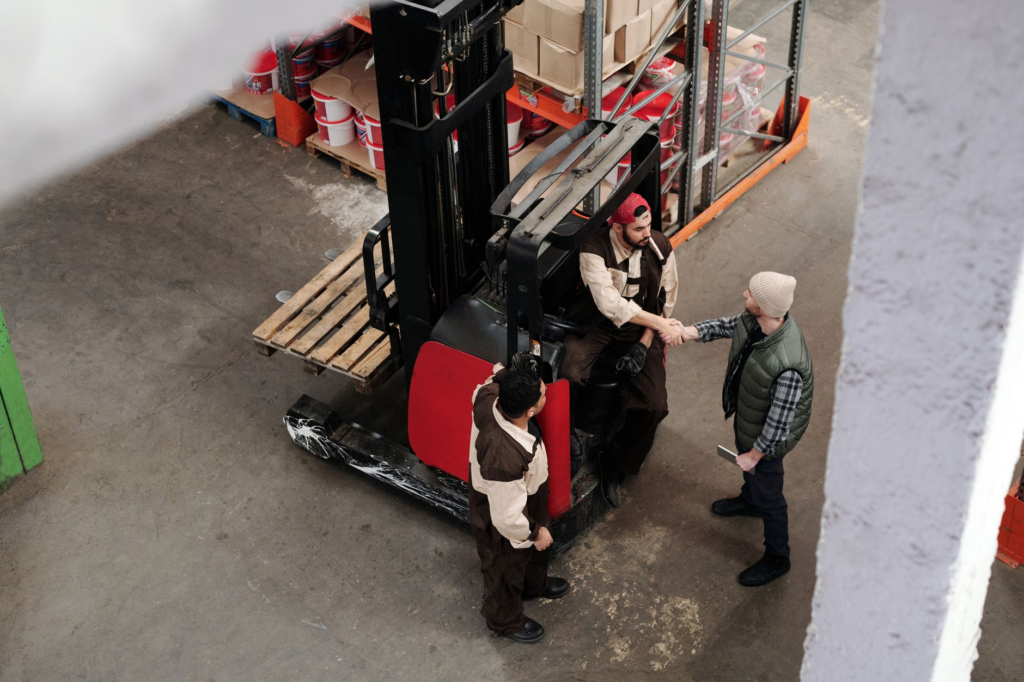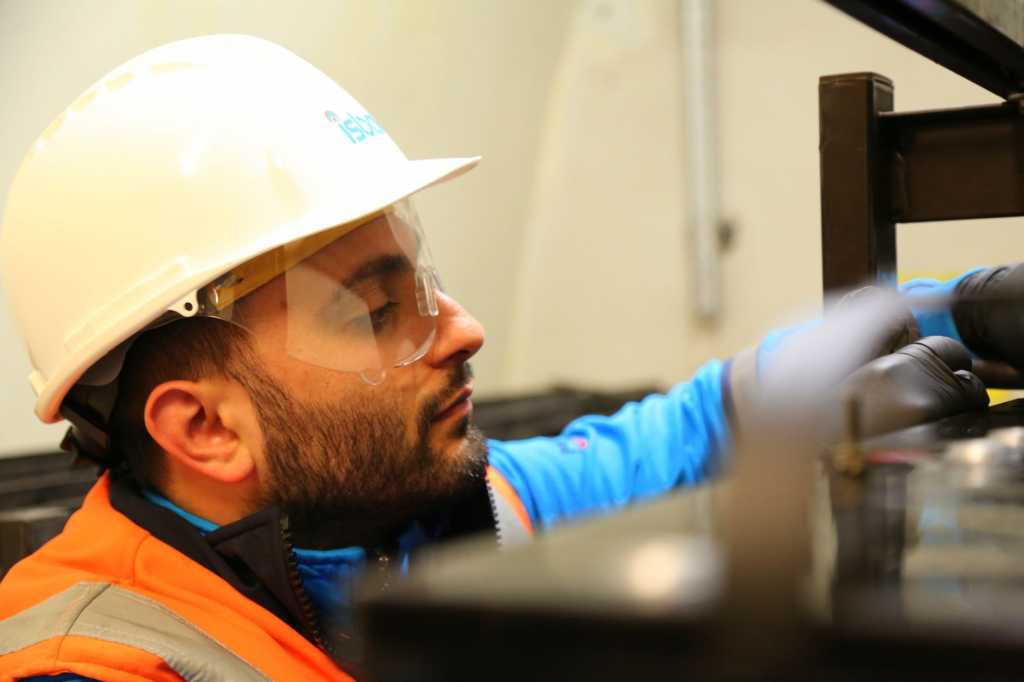
A focused, efficient, and skilled workforce is crucial in light industrial and warehouse operations. Whether it’s a manufacturing plant that needs well-trained production workers or a distribution center that relies on forklift drivers to keep shipments on schedule, having the right people in each position can make a significant impact on operational success. This is where a strategic relationship with a specialized partner comes into play. By aligning an enterprise’s needs with the appropriate talent, an agile staffing and workforce approach can reinforce productivity, improve safety standards, and cultivate a steady labor pipeline. Primero Staffing has extensive experience in connecting companies in Southeastern states with dependable personnel, and their methods illustrate just how transformative a carefully curated workforce can be.
The Importance of Skilled Light Industrial Teams
From production facilities to warehouse environments, light industrial roles play a core function in ensuring goods flow effectively across the supply chain. An unanticipated shortage of pickers, packers, or school custodians can swiftly disrupt critical timelines. In these bustling settings, employees need to keep error rates low, meet strict safety requirements, and maintain consistent output. As a result, light industrial workers must exhibit adaptability, attention to detail, and an appreciation for quality control. When these traits are missing—or if there’s a high turnover rate—everything from post-production assembly to final delivery suffers. Having a well-prepared roster of staff brings balance to workflow and contributes to a healthier overall culture, unlocking higher retention and long-term stability for the business.
Adopting a Skills-First Perspective
A reliable workforce isn’t defined by simply filling positions in haste. The most efficient operations have realized that seeking individuals based on the specific capabilities they bring to the table yields better outcomes. Before recruiting efforts even begin, businesses benefit from identifying the mix of abilities essential for their setup. A facility that depends heavily on the efficient use of pallet jacks and forklifts might prioritize mechanical dexterity and safety awareness, whereas a smaller manufacturing plant may need employees who can demonstrate experience with specialized machinery or knowledge of detailed assembly procedures. By establishing a clear profile of vital competencies—for example, the ability to operate specialized labeling machines—employers ensure that every new hire is equipped not only with relevant talents but also with a proactive mindset. This approach moves beyond merely covering a shift; it focuses on cultivating a team that can flex and adapt as production demands shift, safeguarding consistency in output and promoting a stable environment.
Refined Recruitment and Thorough Vetting
After defining the essential skill sets for a particular operation, it’s time to find and select individuals who match these qualifications. Targeted outreach, facilitated by staffing experts, harnesses databases brimming with light industrial candidates who have indicated specific aptitude in roles like forklift navigation, machinery operation, or warehouse sanitation. Yet having an extensive pool of candidates is only halfway to the finish line. Comprehensive screening methods, encompassing everything from criminal background checks to simulated on-the-job tests, help guarantee that prospective employees can manage the pace and demands of the workplace. For instance, an individual may claim proficiency in forklift driving, but a rudimentary skills assessment can reveal the depth of their experience and establish whether they have the situational awareness needed to maneuver in a crowded space. Once these validations confirm a good fit, businesses can proceed with confidence, trusting that their new team members can support ongoing performance goals without unnecessary disruptions.
Streamlined Onboarding to Propel Readiness
Simply bringing in workers with the appropriate skills isn’t enough. Smooth onboarding can greatly influence how successful new hires become in the short term. Effective orientation processes typically include introductions to workplace culture, a breakdown of standard operating procedures, and training on job-related equipment. When new employees understand the precise processes and safety guidelines on day one, they’re empowered to contribute right away. As an illustration, a warehouse that invests in consistent forklift refresher sessions during the onboarding period not only boosts safety metrics but also minimizes potential miscommunications related to equipment handling. In addition, introducing new hires to supervisors and team leads right from the start helps forge communication channels and fosters rapport. A well-coordinated transition from “newcomer” to “active participant” fortifies morale and underscores that each position is an integral component of a larger system.
Flexibility for Seasonal Surges and Demand Fluctuations
For enterprises dealing with cyclical market requirements, staffing needs can rapidly expand or contract. Certain goods receive a spike in orders around major holidays or during annual promotional periods, placing considerable stress on employers who rely on permanent, fixed teams. The beauty of engaging a specialized staffing partner lies in the ability to respond promptly to changes in demand, effectively scaling headcounts without sacrificing quality. This approach allows a distribution center to supplement its workforce with a cadre of thoroughly evaluated temporary personnel, who are already familiar with the responsibilities and standards of the industry. Conversely, when purchasing slows down, teams can be adjusted to fit the new volume, saving the enterprise from needless payroll costs or protracted separation processes. By building elasticity into staffing models, organizations can face unpredictable markets with confidence, protecting both profitability and workforce morale.
Promoting Retention Through Career Pathways
In the light industrial sector, roles can be physically taxing, repetitive, and prone to routine. Without a structure to recognize good performance or offer upward mobility, operations might see prolific turnover, which is both costly and disruptive. Instead, companies that cultivate professional growth opportunities witness greater employee loyalty and commitment. Cross-training is a prime example: by preparing custodial technicians to operate specific warehouse tools or by giving packers the chance to become certified forklift drivers, organizations empower workers to elevate their roles. This not only addresses recurring staffing needs but also entices dedicated personnel to stay long-term, knowing they have room to progress. Retention efforts profoundly impact productivity: when individuals feel that their contributions are valued, they become more attentive to detail, adhere to safety measures, and uphold teamwork. Moreover, reliable employees also shape a community of mentorship for newer recruits, providing guidance and further reinforcing the operation’s stability.
Leveraging Technology to Enhance Hiring
Digital tools are quickly becoming indispensable in identifying and managing light industrial talent. Recruitment systems that employ sophisticated data analytics can summarize resumes, pinpointing those that stand out for specialized reasons, such as forklift certifications or experience in machine operation. This accelerates the match between potential team members and relevant entry points in a facility. Additionally, real-time labor market data gives recruiters a perspective on prevailing pay rates, local worker availability, and sought-after skill sets. Employers can calibrate their offerings, ensuring compensation stays competitive and job postings align with modern standards. Parallel to this, ongoing communication platforms, whether smartphone applications or scheduling portals, keep workers in tune with daily updates regarding shift times, safety reminders, and facility announcements. Through the combination of innovative technology and established recruiting principles, the journey from job listing to placement becomes far more streamlined, consistently placing capable and ready professionals in positions where they can excel.
Fostering a Culture of Collaboration
Supervisors and business owners often observe how a well-balanced, skilled team affects the collective workplace atmosphere. An environment characterized by open dialogue, joint problem-solving, and an emphasis on thorough training cultivates a sense of unity. When new hires observe seasoned employees taking time to explain best practices or share pragmatic tips, everyone stays aligned with strategic targets. This culture drives improved quality control benchmarks and encourages employees to remain resilient and inventive when challenges, like last-minute order spikes or unexpected equipment issues, arise. Moreover, the blend of trust and clear communication frequently lowers accident rates on the production floor, since staff members feel confident speaking up about potential risks or process improvements. As a company’s operations grow, such a cooperative spirit will influence how fast new processes are adopted and how effectively modern technology is integrated, making it easier to scale while preserving consistency.
Looking Ahead and Embracing Steady Growth
Whether a warehouse requires machine operators for a complex assembly line or a distribution hub needs experienced order selectors to meet delivery schedules, forging a strategic partnership with a staffing expert offers a powerful conduit for aligning the right individuals with the right responsibilities. By pursuing a balanced approach to talent acquisition, businesses can reduce inefficiencies, sustain a motivated workforce, and maintain operational continuity year-round. Primero Staffing specializes in uniting Southeastern U.S. companies with skilled and reliable personnel who can help drive productivity, ensuring each workplace is equipped with the dynamic people it needs to thrive today and in the future.