The Southeastern United States hosts a bustling network of warehouses, production facilities, and distribution centers that propel the nation’s supply chains into motion. This vibrant landscape, stretching across regions like North Carolina, Northern Georgia, and Southern Virginia, showcases a remarkable ability to adapt to shifts in consumer demands. With surges in online shopping and increased focus on rapid delivery, these facilities strive to operate with maximum efficiency. Local enterprises often turn to Primero Staffing for light industrial and manufacturing workforce expertise, but the principles of effective staffing reach far beyond any single company. This post explores how specialized talent placement can help organizations optimize key processes, reduce operating costs, and maintain a safe, productive environment without compromising on quality.
Understanding the Complexity of Southeastern Warehousing
Warehouses in this region vary enormously, from boutique distribution facilities handling specialized goods to sprawling centers fulfilling thousands of orders each day. Some warehouse floors demand the rapid flow of merchandise for next-day shipments, while others support just-in-time manufacturing lines requiring a steady supply of components. Because of these diverse setups, leadership teams need to fine-tune operations to keep pace with shifting demand. Specialized staffing serves as an indispensable tool in meeting those challenges, ensuring a perfect alignment between skilled professionals and organizational requirements.
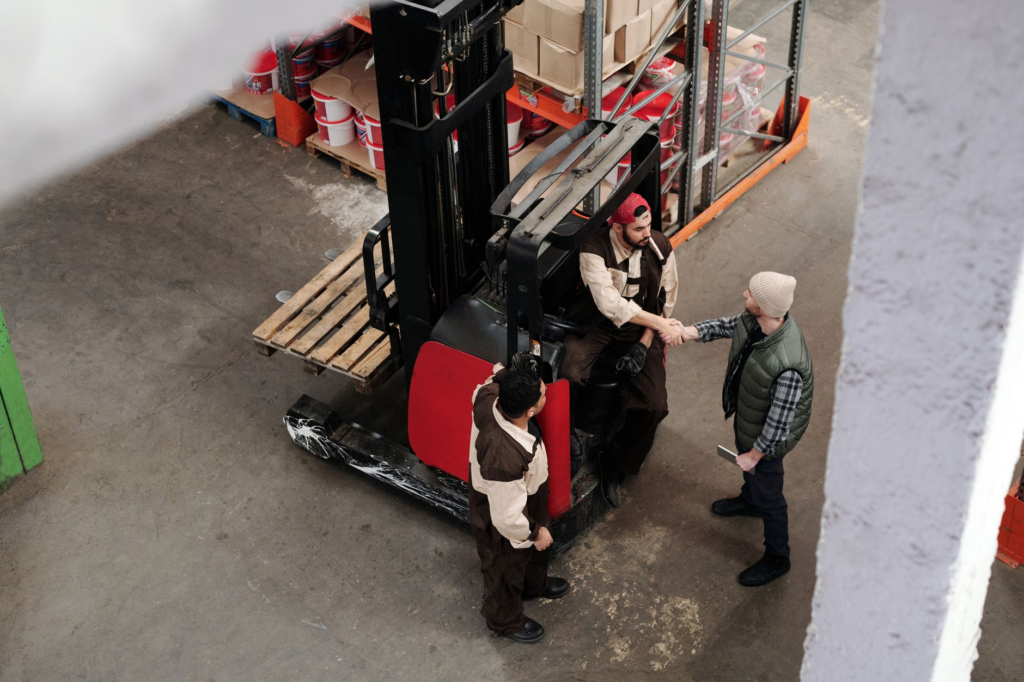
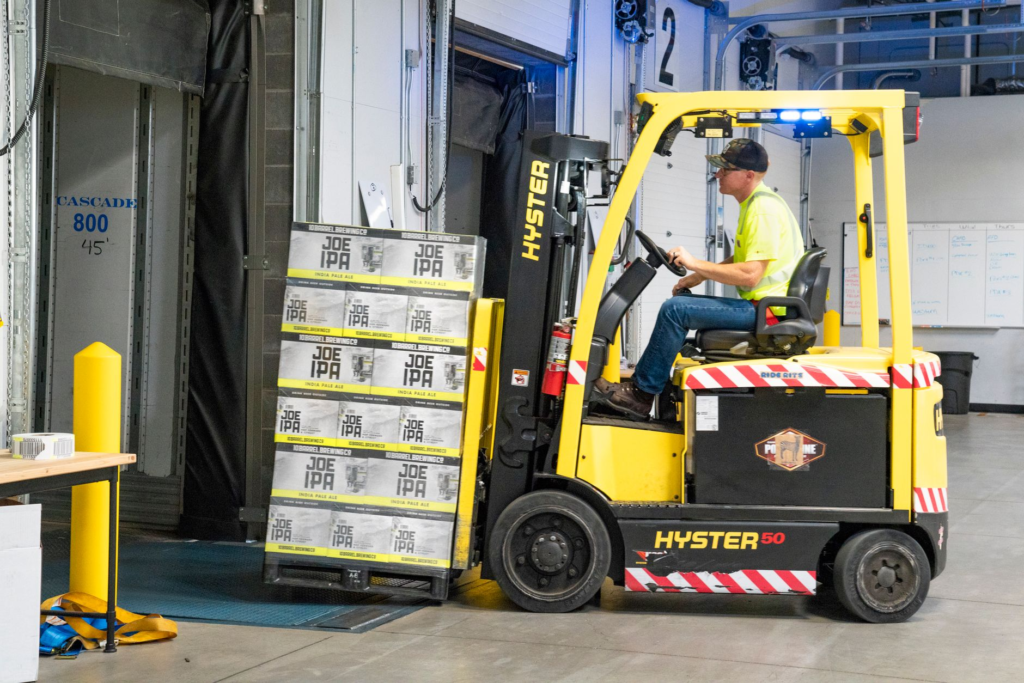
For instance, a facility designed for bulk handling might depend on certified forklift operators who can navigate tight aisles and manage large volumes of inventory in limited time. Another site might focus on machine-driven assembly lines that call for knowledgeable technicians trained to handle mechanical breakdowns quickly, preventing disruption in production levels. Regardless of the environment, the goal remains the same: maintain efficient workflows that deliver value to both employers and customers.
The Power of Matching Roles to Expertise
A major advantage of tapping into specialized staffing lies in pinpointing the precise competencies required for each warehouse position. Rather than using a broad “machine operator” description, these recruitment practices delve deeply into the nuances of each role. Are employees expected to run automated conveyor systems? Will they be responsible for monitoring batch codes, or operating a high-speed packaging machine? By gaining clarity on every task, warehouses can hire individuals who have both the technical background and the practical experience to excel.
This level of specificity benefits the wider operation. Employees who thoroughly understand their duties are more likely to produce quality work with minimal errors. Moreover, when each role is well-defined, each staff member can gain confidence in fulfilling responsibilities. That confidence translates into stronger engagement, improved morale, and a willingness to identify new ways to improve operational efficiency—ultimately bolstering the entire chain of production.
Reducing Downtime and Turnover Through Targeted Recruitment
Southeastern warehouses, particularly those close to major ports or transportation corridors, frequently experience seasonal or unexpected demand spikes. In these conditions, any misstep in hiring can cause frustration among permanent staff, who must cover the gaps until new recruits gain proficiency. Inadequate hires also raise the risk of increased turnover, as frustrated workers tend to leave if they feel overwhelmed or misaligned with their roles. By focusing on targeted recruitment, employers sidestep these pitfalls. Specialized recruitment funnels pre-vetted candidates into open positions, emphasizing strong matches in skill, temperament, and culture.
Once staff are placed, less time is wasted on remedial training or reparative measures, which would otherwise cut into profit margins and productivity targets. There is also an important reputational boost in attracting talented employees, since a facility known for thorough onboarding and stable conditions appeals to experienced professionals seeking a new opportunity. With a stronger sense of belonging, workers are likelier to remain for the long haul, contributing to continuity and deep institutional knowledge within the organization.
Safeguarding People and Products
Amid a warehouse’s constant motion—where crates, pallet jacks, and conveyor belts all operate in synchrony—safety emerges as a paramount concern. A single mishandled forklift or an improperly loaded pallet can translate into damaged products, employee injuries, or even stalled operations. Maintaining high standards of safety not only protects staff well-being but also reduces costly insurance claims and liabilities.
Specialized staffing strategies leave minimal room for error in these high-risk positions. When agencies or hiring managers verify skill levels and certifications, workers assigned to hazardous tasks come with documented expertise and experience handling the inherent challenges. They understand proper lifting techniques, machine lockout procedures, and buffer zones for forklift routes, among many other best practices. A well-trained workforce is far more alert to potential hazards and equipped to rectify small issues before they escalate into major problems. Over time, these precautions create a culture rooted in responsibility, drastically lowering the likelihood of incidents that disrupt production cycles.
Capacity for Seasonal Surges and Flexible Scalability
In Southeastern distribution centers, demand often fluctuates with seasonal peaks, promotional sales periods, and sudden leaps in consumer trends. E-commerce booms can intensify shipping needs overnight, causing major headaches for managers who must accommodate sudden labor requirements. Traditional hiring methods often lack the necessary agility to meet these spikes, as the search for qualified candidates can be lengthy and unpredictable.
Rather than stretching the capabilities of existing teams to unsustainable levels, forward-thinking warehouses employ specialized temporary or contract hires. This approach allows facilities to scale up swiftly when demand surges, ensuring orders are processed on schedule and customers remain satisfied. When the wave of orders subsides, companies can easily transition back to a leaner roster without the complexities tied to laying off permanent employees. Such flexibility preserves morale, prevents burnout, and keeps overhead in check.
The Value Proposition for Small and Mid-Sized Businesses
Larger corporations might cope with inefficiencies through budgetary grace or extensive organizational structures. Smaller operations, however, often must run more economically, leaving little room for errors in workforce planning. For these businesses, specialized staffing is not just a convenience—it can be a lifeline. Access to a pool of experts with the precise experience needed for each position ensures every hire contributes meaningful value from day one, minimizing guesswork.
Suppose a community-operated distribution center in North Carolina sees a 200% jump in shipments during a certain quarter. The leadership could seamlessly bring on pre-qualified warehouse associates skilled in picking, packing, and inventory management. Once the heavy season concludes, they have the freedom to retain top performers for permanent roles if order volumes remain higher than expected. This structure helps maintain financial flexibility and fosters an environment where talent earns its place through consistent outcomes.
Illustrative Examples of Transformative Staffing
Across the southeastern states, numerous success stories highlight the power of pinpointed job placements. One facility in Northern Georgia cut shipping turnaround times by nearly 40% after introducing a second shift of seasoned forklift operators who sped up loading and unloading processes. Meanwhile, a mid-sized warehouse in Southern Virginia overcame a nagging turnover dilemma by recruiting carefully vetted production line specialists. These individuals were familiar with local pay scales and cost-of-living factors, so they were more inclined to stay longer.
In other cases, bridging knowledge gaps made an immediate impact. Facilities wrestling with a new kind of sorting technology discovered instant improvements by bringing in personnel with prior experience in that same system. Rather than learning everything from scratch, these new recruits were able to troubleshoot small issues and teach junior staff on the fly. Higher efficiency is the hallmark of such targeted hires, and the outcome is a stronger bottom line for the organization overall.
Balancing Growth, Innovation, and Workforce Well-Being
The ideal warehouse ecosystem is one in which workers thrive, technology runs smoothly, and production targets are consistently met. Leadership teams that prioritize intelligent staffing strategies are better equipped to maintain this stability. By having a ready pipeline of professionals who can handle specialized tasks, warehouses can devote fewer resources to reactionary fixes and more energy to strategic improvements, like investing in cutting-edge automation or expanding into new markets.
Over time, specialized staffing solutions become a driving force in propelling the entire operation forward. Streamlined processes and minimal downtime free up resources for research and test runs in emerging sectors. Plant managers and supervisors find themselves able to refine employee training programs, nurture future leaders, and experiment with innovative approaches to streamline throughput. The resulting boost in morale magnifies each of these changes and builds collective pride in a job well done.
Wrapping Up: Positioning for Success in the Southeastern Landscape
Thriving as a warehouse or distribution center in the Southeastern U.S. requires agility, precision, and a commitment to continuous improvement, especially given the region’s dynamic logistics environment. By ensuring that each role—from forklift driving to assembly line oversight—is filled by individuals with proven expertise, organizations minimize resource waste, maintain safety, and stay poised for growth. With strategic planning and a complete understanding of the tasks at hand, companies can scale operations responsibly and adapt to ever-shifting market forces.
Whether securing additional manpower for a busy season or forging a new team structure to power future initiatives, specialized staffing can be a game changer. Placing reliable and skilled workers in critical roles relieves internal pressures and sets the stage for sustained success. For those seeking a partner in streamlining Southeastern distribution processes, Primero Staffing stands ready to guide facilities toward a more refined, productive, and prosperous future.