Bringing the wrong individual into a manufacturing or warehousing operation can disrupt productivity and compromise overall efficiency in ways that aren’t immediately obvious. While some of the impacts are quantifiable—such as expenditures on wages, retraining, and potential overtime to cover absenteeism—other repercussions lie beneath the surface. A single ill-suited worker can put increased pressure on coworkers, damage team morale, lower product quality, and inflate turnover rates, ultimately hurting the bottom line. When these unintended consequences accumulate, they can create a ripple effect that slows down the entire supply chain. By examining the risks of a bad hire from multiple angles, businesses can better understand the value of selecting and retaining top performers.
Clarifying Essential Competencies for Each Role
One of the most critical steps in mitigating hiring misfires is to pinpoint the blend of technical and interpersonal skills that a job truly requires. In a busy environment like a warehouse or manufacturing floor, precision and discipline may be just as important as problem-solving abilities. For instance:
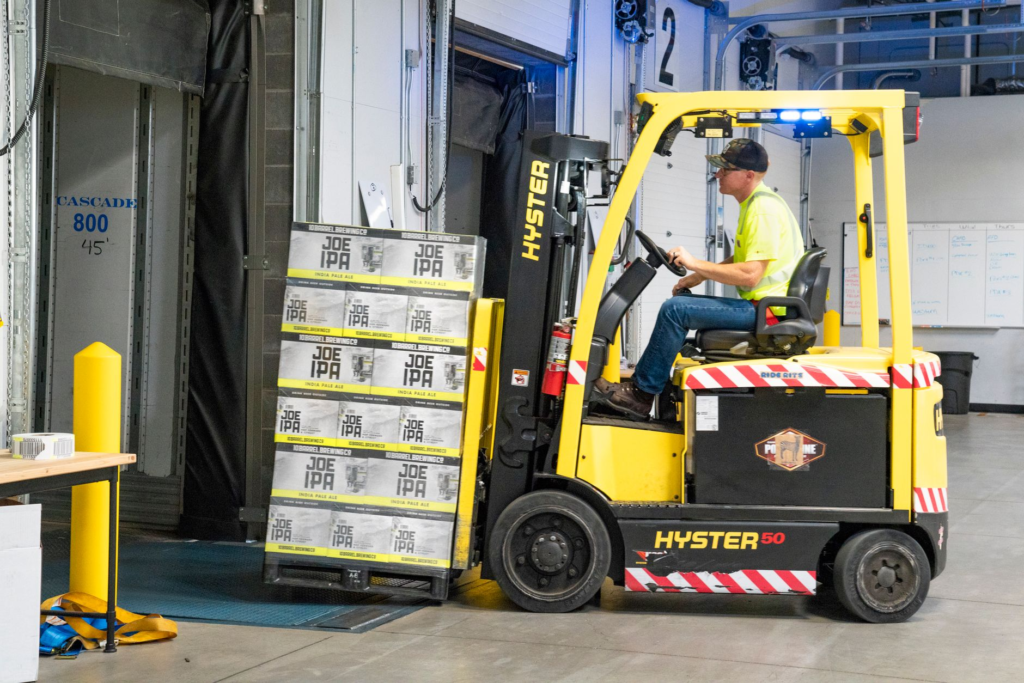
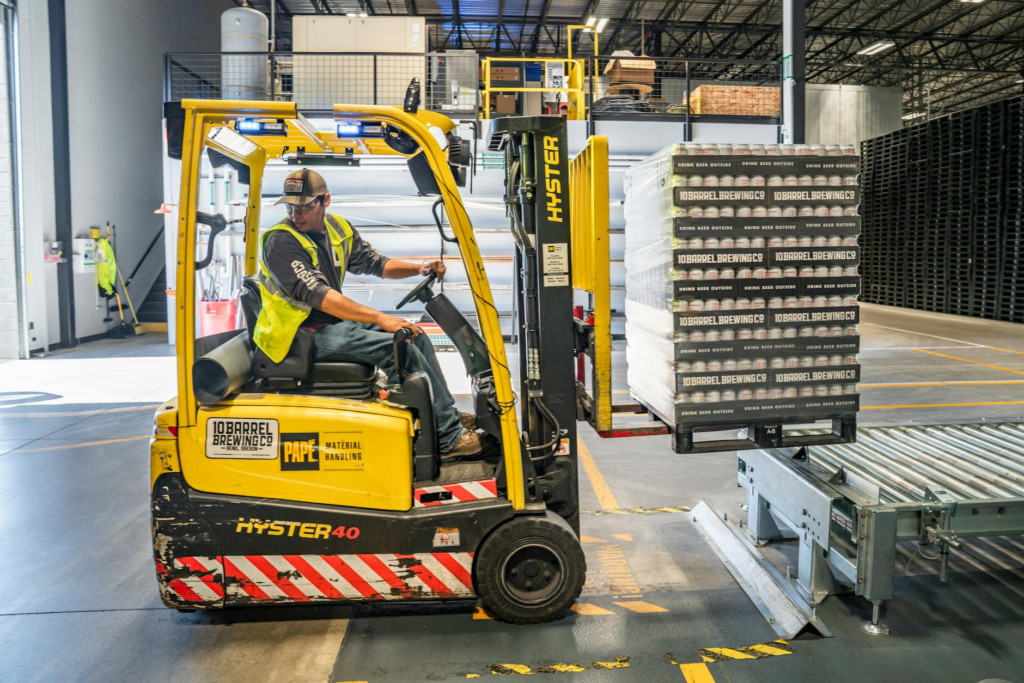
- A forklift operator needs meticulous hand-eye coordination and a keen sense of spatial awareness but must also be able to communicate clearly with colleagues to avoid accidents.
- A production line worker may thrive if they can master equipment quickly, follow safety measures consistently, and adapt to sudden changes in production schedules.
When managers invest time detailing these specifics, they can screen out candidates with mismatched skill sets or those who might not mesh well with the workplace culture. This practice is particularly valuable for small and mid-sized organizations that might not have large hiring budgets—they can strategically avoid costly trial-and-error scenarios, resulting in the cost of a bad hire, and enhance workforce stability over the long term.
The Hidden Toll on Morale and Productivity
Although the tangible financial costs of a hiring mistake can be daunting, the intangible damage to morale is often just as significant. When a new hire consistently underperforms, peers may be forced to shoulder additional work. Over time, this can breed resentment, reduce engagement, and even lead to higher turnover rates among otherwise dedicated employees. Production setbacks caused by miscommunication or skill gaps can slow workflows and jeopardize deadlines, negatively affecting relationships with clients who rely on timely deliveries.
Moreover, supervisors end up spending extra hours investigating issues or coaching the struggling individual, leaving less time for strategic planning and team development. In the worst cases, repeated errors—like mislabeled shipments—can hamper quality control, prompting dissatisfied clientele to question the reliability of the operation as a whole.
Financial Ramifications Beyond the Obvious
It’s simple to see how wages paid to an unproductive staff member directly erode profits, but the indirect financial effects are equally damaging. Additional costs range from advertising new vacancies to onboarding and training replacements. Extra expenditures also arise when coworkers must work overtime to meet quotas or quality assurance standards drop, leading to returns and refunds. In many cases, hidden fees build up gradually, often going unnoticed until they significantly erode profit margins.
For example, a single packing error might result in shipping multiple duplicate orders or incurring hefty logistics fees to correct a mistake. Over time, these avoidable pitfalls can pile up and become a substantial burden. Manufacturing and warehousing facilities survive on razor-thin margins, making it especially critical to assess both measurable and intangible costs.
Proactive Talent Sourcing for Stronger Outcomes
Rather than waiting for positions to go vacant, proactive talent sourcing involves creating and nurturing a pipeline of potential hires. These individuals may not be actively job-hunting, but by engaging with them early—through local community events, trade associations, or vocational school partnerships—organizations can shorten the time needed to fill essential roles. Stay in touch with promising prospects by sharing company updates or occasional invitations for a facility walk-through, so they remain enthusiastic about future openings. Developing rapport in this way allows a business to gauge each prospect’s soft skills and attitude over time, helping ensure that any eventual job offer is extended to a candidate who truly fits the organizational culture. A more personal, well-cultivated approach also sets smaller companies apart from major competitors, demonstrating genuine interest in the growth and well-being of prospective employees.
Rigorous Screening and Thorough Onboarding
Implementing structured screening approaches—such as background checks, practical skills assessments, and targeted interviews—helps reduce the chances of bringing on someone whose abilities do not match the advertised role. While these extra steps can require significant resources, the investment pales in comparison to the domino effect of operational inefficiencies caused by a poorly matched hire.
Once a candidate is found to be a solid fit, the onboarding stage is equally vital. Clear, well-designed training programs allow new hires to learn safety protocols, understand proper equipment handling, and navigate workflow processes without confusion. Facility tours, introductions to mentors, and hands-on demonstrations can turn a new recruit into a contributing member of the team with minimal disruption. By preventing early missteps and boosting initial confidence, onboarding sets the tone for high performance throughout the employee’s tenure.
Ongoing Development and Cross-Training
A proven way to keep workers engaged and to prevent skill stagnation is to offer continuous opportunities for learning. Cross-training alone can be transformative, as team members become adept in multiple roles, making scheduling and shift coverage more flexible. This multi-skilled approach also injects variety into daily tasks, reducing monotony and giving employees fresh perspectives on joint goals. Additionally, mentorship initiatives enable experienced individuals to pass on valuable knowledge, forging bonds among team members and cultivating a sense of unity that reduces the chances of blame or dissatisfaction when minor mistakes occur. By demonstrating commitment to career progression—through certifications related to equipment operation or leadership training—organizations indicate they value each person’s growth potential. In turn, dedicated employees tend to stick around longer, bolster team camaraderie, and minimize the negative impact of high turnover.
Leveraging Expert Staffing Partners
Even with a robust recruitment infrastructure, unpredictable workloads and seasonal spikes can overwhelm in-house hiring managers. This is where an experienced staffing provider can make all the difference. By accessing a broad pool of pre-qualified candidates, companies ensure any short-term or permanent opening is filled with a worker whose technical and interpersonal capabilities align well with operational needs. Knowing that a hiring specialist has curated and verified candidates for roles like forklift drivers and warehouse associates means that managers can focus on meeting production deadlines instead of sifting through unqualified resumes. Though these services come with fees, minimized downtime and fewer missteps often translate into a worthwhile return on investment.
Embracing a Culture of Continuous Improvement
Establishing an environment where every individual feels empowered to discuss challenges can preempt minor mistakes before they deteriorate into bigger issues. When a new hire struggles, a responsive culture encourages others to lend expertise, offer training reminders, or draw attention to resources that can close knowledge gaps. Informal check-ins and transparent feedback loops enable teams to identify trouble spots early. By fostering open lines of communication and recognizing employees who proactively tackle issues, businesses build a setting where the workforce holds itself to high standards. Such an ethos promotes consistent performance and rapidly detects deficiencies, making the idea of a “bad hire” a rare occurrence rather than a regular worry.
Long-Term Advantages of Strong Recruitment Strategies
A concerted effort to hire and retain the right people pays off in more ways than one. Beyond improving output quality and reducing the frequency of errors, a stable team is more likely to innovate and support each other. Workers who trust management’s commitment to engaging the best talent often exhibit higher levels of cooperation and resilience during peak production cycles. Meanwhile, clients are reassured when they see an operation running smoothly, which can amplify the likelihood of additional contracts or word-of-mouth recommendations. Investing in rigorous hiring protocols, thoughtful onboarding, and continual training ultimately solidifies a company’s reputation and acts as a safeguard against the major disruptions caused by a single ill-prepared employee.
Next Steps
At the end of the day, the true cost of a bad hire reaches far beyond the immediate financial strings of wages or training funds. Intangible effects like dwindling morale, stalled progress on production lines, and declining service quality can compound quickly, leading to significant repercussions for the entire organization. By adopting a multi-layered approach that includes defining job-specific skills, seeking out talent proactively, applying rigorous screening, and cultivating an environment of shared accountability, manufacturing and warehousing operations maintain a dependable, high-performing workforce. For those seeking additional support in North Carolina, Northern Georgia, and Southern Virginia, Primero Staffing offers targeted solutions for industries that can’t afford to take chances on the wrong candidate. A well-executed recruitment and retention strategy remains one of the most impactful investments any manufacturing or warehousing operation can make to secure steady growth and profitability far into the future.