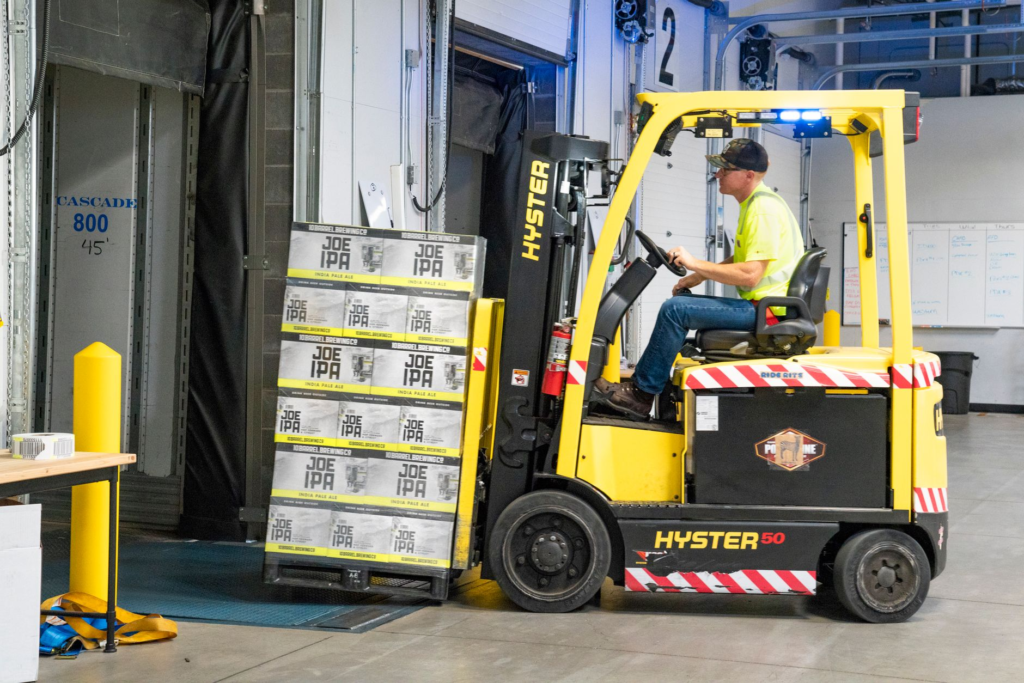
When organizations experience significant growth, newfound possibilities often generate palpable excitement. Orders grow, production lines expand, and the horizon seems limitless. Yet, this surge in activity can also place hefty demands on teams already juggling multiple duties. Too often, leaders respond by pushing their workforce to accomplish more in less time, relying on short-term sprints and late-night shifts. While such bursts of effort occasionally help meet immediate performance targets, they also risk draining personnel. Chronic stress, high turnover, and declining morale become real threats. At Primero Staffing, we’ve observed that maintaining momentum without overloading teams calls for an approach rooted in strategic planning, thoughtful delegation, and a commitment to employee wellness.
Start by Viewing Growth Through a Sustainable Lens
Scaling up sounds thrilling, but it’s not only about seizing new market opportunities. It’s about doing so in a way that preserves the health of your workforce. Think of your business like an athletic team: you can’t win a championship by exhausting your star players in the first quarter of the season. The same thinking applies to the warehousing and light industrial world. When the production floor is buzzing with activity, it’s tempting to keep pressing for maximum output. However, an approach that prioritizes pacing and resource allocation ensures employees stay energized long after the initial expansion surge.
Consider how a seasonal peak might affect order selectors, warehouse custodians, and machine operators. Without adequate staffing plans, the pressure to handle more tasks in less time skyrockets. This scenario often leads to elevated fatigue and errors, both of which undermine long-term progress. By balancing ambition with practical scheduling, you can capitalize on expansion opportunities while avoiding burnout.
Delegate With Intention and Empower Your Workforce
Delegation isn’t merely about handing off tasks; it’s about placing people in roles where they can shine. In a bustling warehouse setting, for instance, a single forklift driver might also have a knack for leadership. By giving that individual the responsibility of coordinating inventory checks or team safety huddles, you not only cultivate their capabilities but also free up managerial bandwidth. This purposeful delegation ensures that each person contributes in a meaningful way, building a culture of engagement and shared responsibility.
Furthermore, when employees see that they are trusted with challenging tasks, their commitment to the company deepens. They feel valued and recognized, which fuels higher productivity. Nurturing this sense of ownership is an invaluable strategy for scaling. Just imagine the impact if each machine operator, picker, and packer sees their role as directly influencing the success of the entire operation.
Refine Processes to Multiply Efficiency
In high-intensity environments, time is money. Whether you’re running a small manufacturing plant or a sprawling distribution center, small inefficiencies add up quickly. Picture an assembly line plagued by frequent bottlenecks due to two stations performing similar checks, or stock replenishment being unclear. Streamlining these procedures through automated alerts, standardized manuals, or well-defined workflows can add hours of productivity to the day. Even incremental improvements—like better warehouse layouts or color-coded pathways—can significantly expedite tasks and alleviate frustration.
This method of enhancing procedures should be seen as a continuous journey. Regularly solicit feedback from the front lines. A seasoned forklift driver might notice subtleties in the machinery that go unnoticed by office staff, or a production worker may spot where errors commonly occur on an assembly line. By integrating their insights, you encourage a cycle of consistent refinement that adapts seamlessly to growth demands.
Establish Structured Communication Channels
During a busy week, it’s incredibly easy for vital messages to get lost in the frenzy. Miscommunication, however, can grind operations to a halt. That’s why creating consistent communication forums—like brief daily check-ins or weekly group huddles—helps keep everyone on the same page. Individuals feel free to flag potential speed bumps, share operational hurdles, and brainstorm improvements before small issues escalate.
In many warehouses, a brief five-minute meeting at the start of each shift can be transformative. Quick bulletins on stock levels, newly implemented safety measures, or production goals let everyone align their efforts. The results are tangible: fewer misunderstandings, faster resolutions to emerging problems, and a workplace environment that supports open dialogue. Over time, these feedback loops become the glue that keeps teams focused and cohesive, allowing them to grow sustainably.
Bring in Specialized Competencies Where They’re Most Needed
Even the most robust work processes won’t make up for a lack of specialized expertise. Certain roles, such as machine operators proficient in digital control panels or forklift drivers with advanced safety certifications, require a specific skill set. The good news is that you don’t necessarily have to hire an army of in-house experts to cultivate a high-performing team. Tapping into staffing networks that focus on industrial talent allows you to pinpoint individuals who can fill demanding positions without straining your existing workforce.
This approach relieves administrative burdens and sharpens efficiency. For instance, if you’re introducing robotic systems for part of your manufacturing process, a specialized technician can hit the ground running. By integrating these experts only when and where you need them, you maintain a flexible structure that supports growth without draining resources. It’s a clear example of how targeted recruitment solutions can help businesses remain agile and responsive in a rapidly shifting market.
Adopt Flexible Staffing and Incentive Strategies
One misconception about light industrial positions is that they’re always short-term. In reality, many companies thrive by blending temporary, contract-to-hire, and permanent roles based on seasonal demands and business cycles. Envision a distribution hub hitting its peak during the holiday season. Adding contract workers, who may later transition into more permanent roles, offers a pragmatic way to handle surges without forcing permanent staff to do double duty. This not only safeguards existing employees from burnout but also reduces recruitment pressure when demand subsides.
Sweetening contract positions with performance-based rewards can further motivate recruits to excel. A machine operator who understands that mastering a new piece of equipment could lead to a permanent role—and a higher pay grade—will be more inclined to invest extra effort. This flexible mindset lets you react swiftly to market fluctuations while keeping turnover in check. Ultimately, it bridges the gap between operational demands and employee well-being.
Encourage an Atmosphere of Continuous Learning
For a team to truly flourish, learning shouldn’t be something you do only once. Cross-training, mentorship, and skill enhancement programs can spark interest and engagement, creating a workforce that adapts to inevitable changes with ease. In a manufacturing context, a production line worker might acquire forklift operation skills, enabling them to fill in when someone is on leave or during unexpected spikes in workload. Such overlap of abilities not only reduces disruptions but also fosters a spirit of unity and resourcefulness.
Moreover, growth opportunities often become a cornerstone of employee retention. When workers see a path to elevate their skills and step into larger roles, they tend to remain loyal, reducing the expense and disruption tied to high turnover. People who feel mentored and appreciated are more invested in the success of your business, and their dedication translates into consistent output, better quality control, and a healthier work atmosphere.
Track Milestones and Share the Victories
One critical piece of scaling successfully is a system to track progress and celebrate the strides made. Setting incremental targets and recognizing when they’re reached fosters a sense of unity and accomplishment. Metrics might include faster order fulfillment, fewer defects, or improved safety records. Pinpointing these gains and celebrating them—whether in departmental announcements or group gatherings—reinforces positive behaviors and highlights the productivity of the team. Even simple gestures, like acknowledging a warehouse associate who solved a recurring inventory issue, can bolster overall morale.
Such recognition transforms a demanding job into one that feels rewarding, boosting worker engagement across the board. Instead of racing from one deadline to the next, employees sense they’re part of a meaningful journey. This ongoing pattern of achievement fosters a healthy loop of motivation: people are proud of what they’ve accomplished, which spurs them to maintain that momentum.
Effective growth hinges on striking a balance between ambitious targets and the genuine care you extend to your workforce. By building resilient operations from the ground up—through mindful delegation, fine-tuned processes, open communication, targeted recruitment, flexible staffing models, continuous learning, and celebratory milestones—you turn expansion from a burden into a shared triumph. In the end, a thriving team carries more weight than any single project or client account. When it’s time to recruit specialized talent, whether for a short-term project spike or a long-term addition, remember that Primero Staffing stands ready to support your efforts, ensuring you keep scaling without sacrificing the spirit and efficiency that got you here.