Building a More Reliable Workforce by 2026
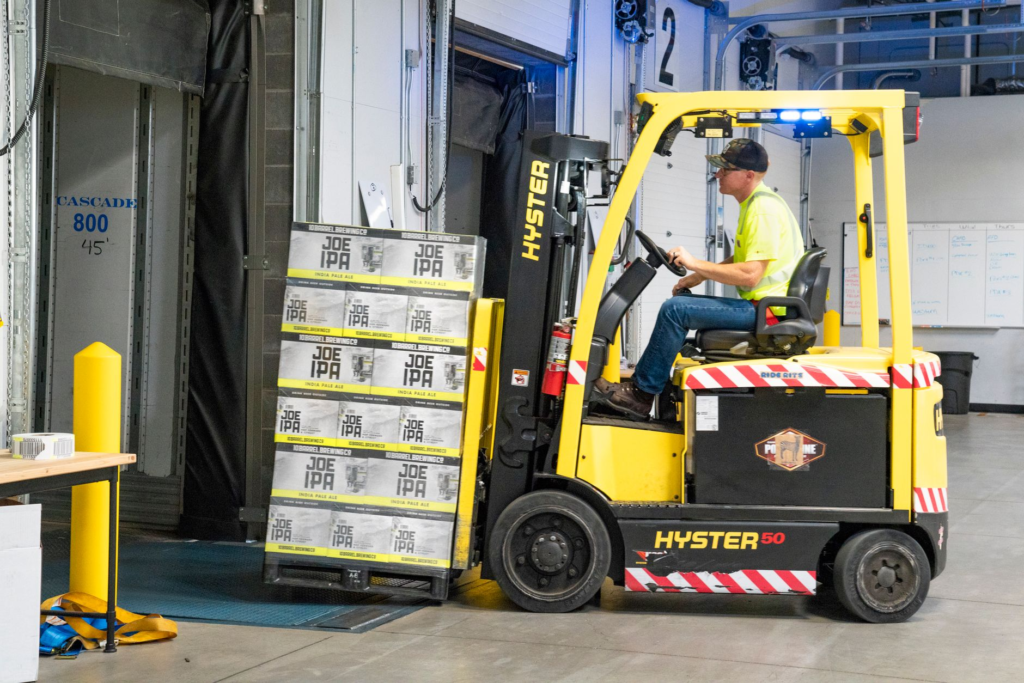
To build a more reliable workforce by 2026, it is essential to identify the bottlenecks that impede daily efficiency. Common roadblocks frequently include high turnover, gaps in specialized skill sets, and a lack of alignment between job expectations and employee capabilities. For example, warehouses that rely on forklift drivers, pickers, and packers can quickly fall behind schedule if even a single role remains vacant for too long. Examining these operational stress points sheds light on ways to refine the overall hiring approach.
Consider a scenario where frequent delays emerge on a production line because machine operators are not sufficiently cross-trained. By highlighting these weaknesses, leadership can allocate development resources where they matter most. Smaller organizations, in particular, have the advantage of nimbleness. Issues such as outdated equipment or outdated processes can be addressed more swiftly, preventing them from escalating into larger concerns. Recognizing these daily inefficiencies and responding promptly carves a clear path toward improved productivity and a more harmonious work culture.
Revamp Hiring Strategies for Targeted Outcomes
Once pain points are laid out, it becomes simpler to devise precision-driven recruitment tactics that draw in the right talent from the start. Lengthy or generic job postings can attract a surplus of unrelated applications, wasting valuable time and resources. Instead, craft postings that emphasize the specific skills or certifications required—such as comfort with specialized machinery or the ability to handle particular inventory software.
Alongside fine-tuned job listings, expand your recruitment channels to include both traditional and unconventional avenues. Industry-specific job boards are a staple, yet local community groups, technical schools, or trade forums can also yield highly qualified candidates who align well with warehousing and manufacturing roles. This broader net allows small companies to stand out against corporate giants by building an attractive employer brand that showcases growth opportunities and supportive day-to-day operations. Narratives from existing employees, highlighting why they find meaning in their roles, can spark interest from potential hires who appreciate glimpses into real work environments.
Establish Comprehensive Onboarding to Set the Tone
A successful new hire experience is much more than welcoming someone to the break room and handing them an employee manual. It involves immersing recruits in the values, best practices, and day-to-day operations that characterize your company. In a warehouse setting, this often includes an in-depth orientation on safety protocols—everything from forklift corridors to hazardous materials handling—and step-by-step walkthroughs of crucial operational tasks. Thorough onboarding not only reduces costly errors but also makes newcomers feel prepared and valued.
Additionally, consider pairing new team members with experienced mentors who can answer questions and offer support. Even minor, daily pointers can make a world of difference in reducing anxiety and helping employees navigate their responsibilities confidently. This mentorship approach accelerates assimilation and cultivates a sense of accountability right from the outset. By presenting clear performance expectations and ensuring that new hires are properly trained, organizations can mitigate early turnover and nurture an environment of incremental learning and growth.
Champion Continuous Training for Long-Term Gains
While hiring talented employees is an enormous step forward, it is ongoing training and skill-building that keep teams performing at their peak. Warehousing and Light Industrial industries are constantly in flux, with automation, digital tracking systems, and new equipment coming into play nearly every year. An individual who can operate yesterday’s machinery might need an entirely different skill set to handle tomorrow’s advanced technology. Conscientious organizations dedicate resources for formal instruction, personalized coaching, or online modules that prepare workers for evolving industry demands.
Consider forklift operator recertification programs or seminars on emerging automation trends. Providing specialized training signals that leadership cares about employees’ careers, spurring motivation and stoking loyalty. When workers feel backed by their organization, they become more receptive to challenges, typically resulting in a safer, more engaged environment. Even businesses with limited training budgets can integrate small-scale workshops or lunch-and-learn sessions. These modest moves can help staff continuously fine-tune their skills without breaking the bank, ultimately creating a versatile and resilient workforce.
Promote Accountability and Engagement to Retain Talent
A workforce is only as solid as the culture that nurtures it. Beyond clear direction and skill-building, employees need an authentic sense of accountability and camaraderie to feel connected to the mission at hand. In deadline-driven operations, define transparent metrics and objectives. Employees who understand how their performance impacts the broader organization tend to feel more responsible for their output, which can heighten morale and reduce absenteeism.
Moreover, an engaged workforce is often the byproduct of thoughtful initiatives like recognition programs, social gatherings, or periodic check-ins with managers. These open lines of communication allow employees to raise concerns, share new ideas, and continuously refine processes. For managers, encouraging feedback isn’t just a courtesy—it also uncovers hidden inefficiencies that might impede productivity. Over time, this cycle of mutual trust and active dialogue creates a culture where individuals are self-motivated to contribute their best efforts, moving the entire operation forward.
Leverage Agility as a Powerful Small Business Asset
Large corporations may enjoy substantial recruitment budgets and brand visibility, but smaller organizations often possess a distinct agility that can be a game changer in fast-paced Warehousing and Light Industrial arenas. When holiday seasons trigger order surges or unexpected market shifts disrupt normal patterns, smaller teams can pivot more quickly. Adjusting work schedules, adding overtime at short notice, or trying unconventional staffing solutions is typically easier with less corporate red tape.
This nimbleness can be particularly valuable in Southeastern communities. Building relationships with local trade schools and networking groups helps maintain a steady flow of qualified entry-level and mid-level candidates. Fostering these tie-ins can be the difference between stalling out during peak demand or smoothly adjusting to a surge in orders. Also, word-of-mouth referrals often carry more weight in tight-knit regions, especially for those seeking forklift operators, machine operators, or warehouse custodial technicians. By capitalizing on small business adaptability, leadership can turn pop-up staffing issues into manageable tasks, reinforcing an image of reliability that stands out in a crowded marketplace.
Align Strategies for a More Resilient 2026
Succeeding in the Warehousing and Light Industrial world demands more than just patchwork fixes. Instead, businesses must fuse targeted hiring, comprehensive onboarding, robust professional development, and a deeply rooted culture of engagement, all while taking advantage of the agility that smaller operations so often embody. By weaving these components together, organizational leaders can confidently address the challenges that 2026 is poised to bring.
Prepare your 2026 with Primero Staffing
As you chart a course toward greater resilience and stability in the coming years, remember that expert staffing support is within reach. Primero Staffing has spent years helping businesses secure reliable, well-prepared personnel. Tapping into the insights of an experienced partner can amplify any workforce initiative, whether you’re a small business seeking your first wave of recruits or a larger operation refining existing teams. By fine-tuning your hiring blueprint, focusing on skill enhancement, and fostering a positive workplace environment, you can cultivate a workforce ready to tackle the evolving demands of 2026—and beyond.