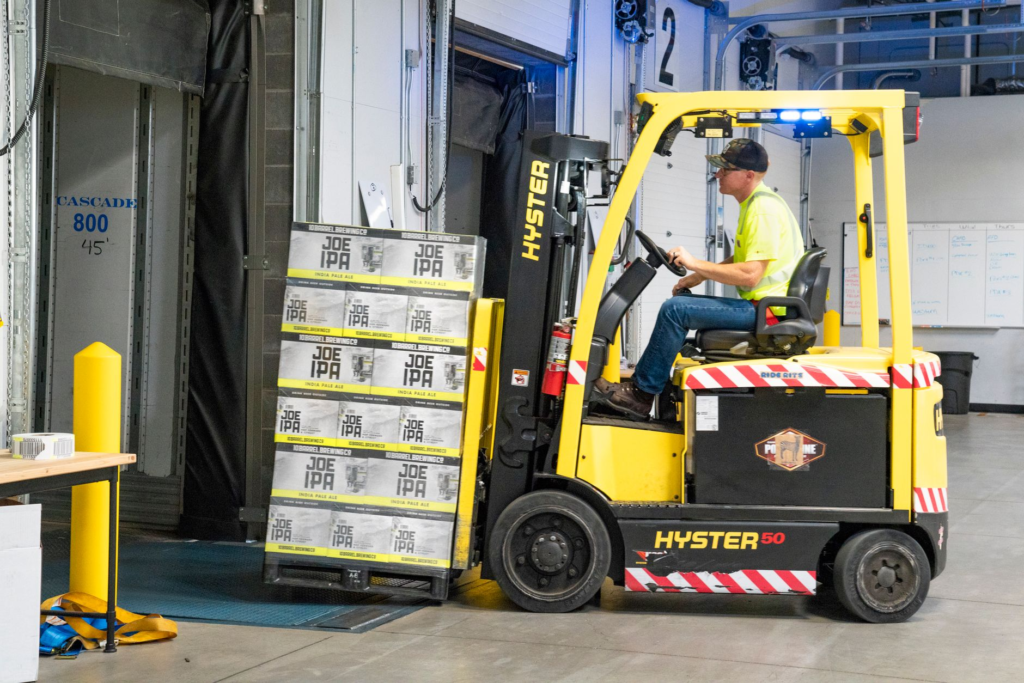
In the Southeastern United States, businesses often face the challenge of controlling labor expenses without compromising operational efficiency. Balancing production demands with a workforce that can flex and adapt is critical—and sometimes, it boils down to a choice between offering overtime or recruiting additional help. Primero Staffing, a leading provider of light industrial and warehouse staffing solutions in North Carolina, Northern Georgia, and Southern Virginia, understands these complexities firsthand and has helped numerous organizations find an optimal path. Below is a comprehensive exploration of how shifting workforce needs can be met effectively and affordably.
Understanding the Core Cause of Rising Labor Costs
Within warehousing and light industrial sectors, tight timelines and sudden production surges frequently prompt companies to lean heavily on existing teams. Supervisors may reason that extending the workday of experienced employees will cover spikes in demand without the onboarding process new staff members require. Although this approach can meet immediate deadlines, the associated costs often pile up faster than expected.
Hourly wage increases for overtime, especially when multiplied across multiple days or even weeks, can quickly become substantial. In industries known for repetitive physical or manual tasks—such as forklift operation or assembly line work—the risk of worker fatigue is amplified. This fatigue might result in on-the-job errors, lower efficiency, and potential injuries. Over time, higher claim rates for workers’ compensation, along with lost productivity, can make heavy reliance on overtime a less economical strategy than it initially appears.
The Deeper Drawbacks of Excessive Overtime
When employees log extended hours day after day, one of the most frequently overlooked repercussions is increased strain. Long days can produce mental and physical fatigue, leading to declines in morale. Tired team members may struggle to maintain focus, heightening the chances of mistakes or accidents.
Another concern lies in the psychological burden that emerges when workers fear letting the team down. Employees may believe that refusing extra shifts could jeopardize their standing within the company, pressuring them to accept even more hours than they can safely handle. In turn, management pays more for overtime while risking setbacks in quality control. Eventually, signs of burnout—such as absenteeism and high turnover—become evident, and replacing skilled personnel can be a significant venture both in terms of time and money.
The “Hidden” Expenses That Add Up
Beyond overtime rates themselves, extra hours often trigger auxiliary costs that may take a toll on budgets:
- Health and Safety Risks: Longer hours correlate with higher incidences of workplace incidents, impacting insurance premiums and potential legal costs.
- Higher Management Involvement: Monitoring an overtaxed workforce requires closer supervision, which can sap managerial resources needed for strategic planning and performance optimization.
- Increased Staff Turnover: When employees feel overworked or undervalued, they may seek opportunities elsewhere. Recruiting and training replacements diverts additional funds from other priorities.
By the time these indirect expenditures are factored in, the initial assumption that overtime is more cost-effective than hiring often proves inaccurate. While overtime can temporarily soothe production pressures, the ripple effects can be substantial.
Advantages of Augmenting Your Workforce
Instead of adding extra hours to existing schedules, many businesses find significant value in bringing in fresh talent, whether on a contract, contract-to-hire, or direct-hire basis. This done-right-the-first-time approach provides the following benefits:
- Targeted Skills Influx: Additional staff can bring specialized abilities—anything from effective forklift handling to supervisory expertise—directly to your warehouse floor.
- Reduced Fatigue on Existing Teams: Spreading workload responsibilities among more people narrows the margin of potential errors and helps preserve morale.
- Predictable Costs: While recruitment and onboarding have upfront fees, those expenses are straightforward and can be budgeted well in advance. This approach lowers the anxiety around skyrocketing overtime bills.
- Flexibility in Growth and Contraction: Whether dealing with a holiday rush or a temporary large order, supplemental staff can step in for a defined period, ensuring you aren’t locked into permanent headcount increases.
Why Relying Solely on Overtime Puts Quality at Risk
In high-volume environments—think picking, packing, or overseeing production lines—precision matters. Packaging accuracy, order fulfillment speed, and safety checks are crucial elements of smooth operations. When a small error occurs, expenses may escalate in the form of product returns, refunds, reputational damage, and even regulatory penalties if safety lapses. A fatigued workforce is more likely to let critical details slip, which can compound quickly in industries handling large shipments or multiple assembly points.
Moreover, relying excessively on a tired team can disrupt the working atmosphere. Enthusiasm and motivation typically decline when employees feel they are in a never-ending race against the clock. By blending in new hires to tackle repetitive tasks, long-standing employees can focus on strategic responsibilities, like process improvements or quality control. This complementary dynamic results in clearer communication, reduced missteps, and a positive environment that encourages workers to stay engaged.
A Cautionary Real-World Scenario
Picture a mid-size appliance parts warehouse gearing up for a busy season, expecting a sudden flood of new orders. Management initially decides to bolster output through overtime, counting on experienced employees to manage the extra load. Over two weeks, errors start trickling in. The picking team overlooks subtle discrepancies in product codes, leading to incorrect deliveries. Delays ensue as customers lodge complaints, prompting the shipping department to re-examine packages and expedite new shipments.
Soon, supervisors notice frayed tempers and increased sick days. Formerly high-performing employees struggle to meet quotas without mistakes. Evaluating the rising rate of operational blunders, management realizes the money saved on recruitment fees has been overshadowed by returns, rework, and overextended staff members. This sparks a decision to enlist specialized temporary associates familiar with warehouse operations. Within days of their arrival, error rates diminish. The original team experiences relief, morale recovers, and the facility returns to optimal output, all while maintaining a healthy budget.
Tailoring a Cost-Conscious Strategy
Crafting a cost-effective staffing plan involves more than deciding who works which hours. It demands a review of current productivity metrics, attainment targets, growth forecasts, and the well-being of your workforce. Key considerations might include:
- Forecasting Demand: Use predictive models to pinpoint when peaks are likely to occur, so you can prepare for added personnel well in advance.
- Measuring the Overtime Threshold: Evaluate how many hours employees can log before productivity begins to dip or safety incidents start to rise.
- Pinpointing Skill Gaps: Determine whether the tasks creating bottlenecks call for specialized skills or extra hands for simpler responsibilities.
- Balancing Labor Options: Decide on combining existing staff with supplemental hires during peak workloads, offsetting the strain on full-time employees.
The Long-Term Benefit of Complementary Staff
Beyond preventing burnout, hiring supplementary workers has the capacity to boost overall operational efficiency. Fresh enthusiasm and perspectives can reveal ways to streamline procedures that have gone unexamined by a long-standing crew. They may also assist in cross-training initiatives, supporting various departments and ensuring that your core team sees workloads that align with their expertise and job satisfaction goals.
Such an integrated model can also foster growth. When dependable short-term hires prove to be strong assets, there is always the option to transition them to permanent roles, should business forecasts justify it. Meanwhile, businesses keep their operational drive steady, avoiding unexpected production lags that might result from an exhausted, understaffed workforce.
Striking an Equilibrium for Sustainable Success
Effective labor management in warehousing and light industrial settings means navigating numerous variables: surges in orders, specialized skill requirements, and the well-being of the existing team. Overtime may occasionally offer a quick fix, but consistently leaning on extended shifts can harm both your budget and workforce morale. On the other hand, recruiting additional help can maintain output levels, enhance employee satisfaction, and safeguard your company’s reputation for accuracy and responsiveness.
By analyzing all associated expenditures—from increased insurance claims to turnover—and matching these costs against staffing investments, leaders create a roadmap toward a more stable, profitable operation. Minimizing unnecessary strain helps address immediate concerns while laying the foundation for long-term adaptability.
Whether your facility contends with cyclical demand spikes or surges in e-commerce shipments, leverage staffing approaches that deliver both flexibility and financial wisdom. A thoughtful plan eliminates budgetary surprises and fosters a positive environment where employees are empowered to do their best work.
For guidance on how to balance these strategies effectively, Primero Staffing offers expertise and access to a broad network of qualified candidates. By employing a well-rounded approach, businesses can ease the burdens placed on existing teams, harness new talent for growth, and ensure that each production cycle completes efficiently and on schedule. With a workforce strategy that respects the limits of overtime and maximizes the advantages of supplemental staff, you can position your organization for enduring success in today’s demanding market.