Companies in the warehousing and light industrial space often grapple with the question of when to add new personnel. Some delay recruitment to cut costs or wait for more predictable forecasts. However, prolonging the hiring process can give rise to hidden burdens that largely go unnoticed until they begin to affect the bottom line. By hesitating to fill open positions, organizations risk overspending in areas like overtime pay, turnover management, and lost growth opportunities. While budget considerations are valid, understanding the true cost of delayed hiring is vital for safeguarding both productivity and profitability. For organizations in North Carolina, Northern Georgia, and Southern Virginia, partnering with a capable staffing firm such as Primero Staffing can make hiring decisions more streamlined, ensuring that crucial roles are filled promptly. Below are key reasons why postponing recruitment can be far more expensive than hiring right away.
Understanding the Hidden Expenses Behind Delayed Hiring
On the surface, choosing not to replenish a workforce may seem like an effective way to cut overhead. After all, no new salaries or benefit packages show up in the monthly ledger. Yet, beneath this veneer, numerous expenses accumulate. Overtime pay becomes a significant issue when current staff must compensate for unfilled roles, each extra hour charged at a premium rate. As these costs pile up, the perceived “savings” quickly shrink. Even more subtle is the toll on quality control: employees softened by exhaustion are more prone to making errors, whether it’s failing to inspect a package thoroughly or mixing up orders on the production line.
Additionally, managers and administrative teams often scramble to juggle responsibilities in the absence of vital personnel. They might spend hours finding short-term solutions, adjusting schedules, and fielding urgent tasks that normally belong to a specialized hire. These never-ending “workarounds” divert time and energy away from initiatives that could have propelled the business forward, restricting innovation and hampering growth.
The Domino Effect on Workforce Morale
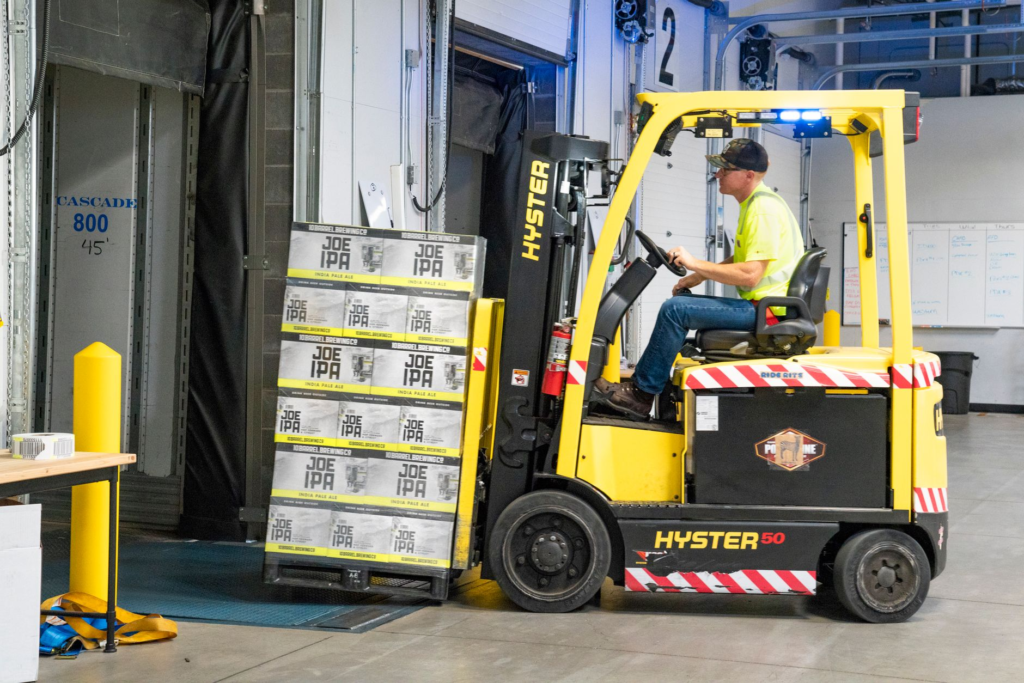
When roles remain vacant, existing employees typically find themselves stretched in multiple directions. A forklift driver might end up covering for an order selector who wasn’t replaced, while a warehouse supervisor absorbs tasks ordinarily handled by a machine operator. As everyone shoulders extra duties, fatigue sets in rapidly. Prolonged stress can lead to deteriorating morale, lower engagement, and an uptick in absenteeism.
Overworked teams also stand a greater chance of conflict. Under normal circumstances, colleagues collaborate effectively; but when deadlines loom and assignments pile up, frustration may mount, causing team harmony to erode. Eventually, top performers may wonder if they’re trapped in a burned-out environment, prompting them to explore opportunities elsewhere. As these skilled individuals exit, organizations face not only the expense of recruiting new staff but also the challenge of rebuilding cultural cohesion and specialized expertise. In high-turnover sectors like warehousing and light industrial work, preserving morale is paramount to maintaining consistent output.
Missing Out on Market Opportunities
In competitive industries, hesitating to add employees can cost more than just morale—it can cost market share. For instance, if demand suddenly surges due to seasonal spikes or an unforeseen increase in orders, a business that has an adequate workforce on standby can quickly respond. A small manufacturer in Northern Georgia might land a lucrative contract and ride the wave of increased consumer interest, fulfilling orders without delays. By contrast, a competitor with vacant positions will struggle to ramp up production swiftly, often watching lucrative prospects slip away.
This agility in meeting shifting consumer demands becomes especially critical in the Southeastern United States, where distribution hubs and manufacturing sites operate under tight deadlines. Being able to adapt quickly fosters stronger client loyalty and instills confidence in prospective partners. In turn, the organization’s name becomes synonymous with reliability, boosting its reputation in highly networked industries that rely heavily on trust and proven consistency.
Preserving Customer Confidence and Loyalty
Clients in the supply chain sector rarely have the luxury of waiting when timetables are tight. Whether you’re a warehouse associate or a production line operator, your role influences how quickly goods leave the facility. Any bottleneck in a well-orchestrated system can roll downhill, creating extended wait times or missed deadlines for customers. These setbacks, although sometimes unavoidable, can be minimized when staffing levels match demand.
When a business chronically understaffs key areas, late shipments and incomplete orders become the norm. Customers might initially offer some leeway, but repeated incidents often translate into lost trust. Once contract renewals or new e-commerce opportunities arise, those customers may think twice about partnering again. An organization that maintains sufficient personnel, on the other hand, projects the image of a reliable partner. This assurance can prove invaluable in earning repeat business and securing referrals that might otherwise go to a more efficient rival.
Erosion of Valuable Institutional Knowledge
A high turnover rate, often triggered by overtaxed teams, leads to the departure of seasoned workers whose familiarity with processes and systems can be difficult to replace. In light industrial environments, problem-solving ability is frequently refined through on-the-job experience. Veteran forklift drivers know how to navigate tight corners in a bustling warehouse without incident. Skilled machine operators recognize faint signals that a device requires maintenance, potentially averting costly downtime. If these seasoned professionals leave because of burnout or a sense that their contributions go unrecognized, the loss of expertise can hinder productivity long after they exit.
Moreover, continuous employee departures thwart the continuity essential for refinements in workflow or technological advancements. For example, implementing new software for inventory control often requires individuals who’ve been around long enough to spot inefficiencies and strategize improvements. Without that core group, the learning curve for newly hired replacements can become steep, amplifying delays and exacerbating operational hiccups.
Higher Recruiting Costs in the Long Run
Although waiting to hire may initially appear to save money, the reality is more complex. Reactively filling positions—especially when multiple workers quit in quick succession—often creates an emergency recruitment situation. In a rush to onboard replacements, businesses might rely on expensive advertising, expedite hiring processes, or even negotiate higher wages to secure talent at the last minute. These unplanned strategies can spike recruitment costs well beyond what proactive hiring would have demanded.
Furthermore, reactive hiring can attract applicants primarily interested in short-term roles, rather than career-minded professionals seeking longevity. Businesses might endure a revolving door of staff who never truly integrate or learn best practices. Ultimately, training costs, lower productivity, and administrative overhead multiply, undermining the perceived “cost savings” from delaying recruitment in the first place.
Nurturing a Culture of Continuous Improvement
In a field where process enhancements and new technologies can drive competitive advantage, having a capable team in place paves the way for experimentation. Light industrial facilities that remain understaffed struggle to explore novel ideas—everyone is simply too busy tackling the fundamentals of day-to-day operations. A well-rounded workforce, however, is more likely to trial advanced inventory systems or pilot cutting-edge machinery without jeopardizing existing output levels.
When employees have time to reflect on performance data or consider feedback, they foster a culture that values creative problem-solving and ongoing development. Such a culture not only elevates efficiency but also keeps staff engaged. Individuals who feel empowered to contribute ideas often form a deeper commitment to the organization, showing loyalty that translates into better retention and a more robust talent pipeline.
Overcoming the Challenges with Specialized Staffing Partnerships
One of the most effective ways to sidestep the pitfalls of delayed hiring lies in strategic alliances with staffing experts. Collaborating with firms that focus on fulfilling light industrial, warehousing, and manufacturing roles can yield a faster and more cost-effective approach to finding the right individuals. Instead of being forced to scan an endless pool of applicants, businesses can tap into a curated roster of vetted candidates. Whether you need an order picker for the overnight shift or a production line leader for an upcoming project, an established staffing partner provides a nimble and reliable pipeline of talent.
Moreover, such partnerships often feature a flexible array of hiring models—ranging from contract placements to permanent roles—allowing organizations to scale the workforce as market conditions shift. In areas like North Carolina and Southern Virginia, where logistical hubs face seasonal demand swings, a targeted staffing solution ensures that operations keep pace without overextending budgets. When timed well, these solutions translate into a proactive defense against turnover, skill shortages, and missed deadlines.
Next Steps
Hesitating to bring new team members on board frequently incurs a cascade of expenditures that surpass the price of hiring sooner. From eroded morale and bruised customer relationships to inflated overtime costs and diminished innovation, the hidden repercussions of postponed recruitment can be formidable. To remain competitive and efficient, light industrial and warehousing enterprises must recognize that a fully staffed team is an investment in long-term stability and growth. If you are contemplating a strategic approach to recruitment in the Southeastern U.S., consider the advantages of partnering with Primero Staffing. Prompt hiring not only preserves operational integrity but also sets the stage for greater resilience in an ever-evolving market.