Primero Staffing is a leading provider of light industrial, warehouse, and manufacturing workforce solutions across the Southeastern United States. One area that showcases the importance of specialized staffing is custodial and Environmental Services (EVS) in healthcare settings. Although the health sector appears vastly different from warehouse and manufacturing environments, both share a universal need for rigorous training, reliable personnel, and diligent adherence to safety standards. By examining how custodial and EVS teams uphold compliance and safeguard well-being in medical facilities, businesses in the supply chain sector can discover new insights into building sustainable, high-performing workforces.
The Necessity of Rigorous Custodial and EVS Standards
Healthcare facilities prioritize immaculate conditions to shield patients, visitors, and frontline staff from potential infections. Thorough cleaning procedures, strict decontamination methods, and careful disposal of hazardous waste all contribute to preventing the proliferation of harmful pathogens. While these specialized operations might seem unique to hospitals and clinics, the underlying principles—maintaining a safe environment and mitigating liability—resonate powerfully in warehousing or light industrial spaces. Whether it’s minimizing cross-contamination in patient rooms or eliminating slip hazards in loading docks, consistent processes ensure a healthier and more productive atmosphere.
In clinical settings, custodians and EVS teams must be methodical in controlling germ transmission. Surfaces requiring disinfection range from waiting area chairs to complex medical equipment. This meticulousness can be mirrored in distribution centers, where tools and machinery also demand maintenance to prevent malfunctions. Such parallels highlight a fundamental principle: attention to detail forms the backbone of every thriving operation.
Specialized Training for Healthcare-Focused Custodial and EVS Roles
Fulfilling the requirements of a healthcare custodial position demands specialized instruction. Beyond routine cleaning tasks—like mopping or sterilizing surfaces—personnel need to learn how to manage regulated waste, sanitize isolation rooms, and observe strict protocols for handling biologically hazardous materials. This top-tier training ensures that workers are prepared to address any challenges that arise, from disposing of used needles to decontaminating an operating theater.
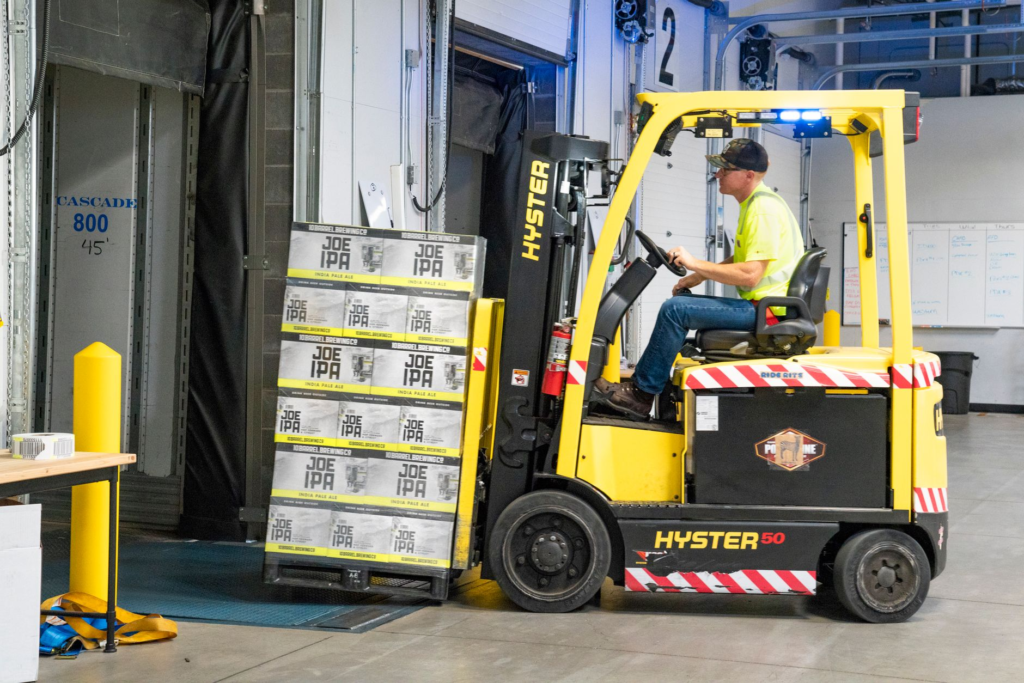
Parallel needs exist in warehouse and light industrial environments, albeit with a different focus. Employees may be tasked with running equipment that requires proper handling to prevent accidents, or they may be charged with following specific protocols for storing and moving sensitive merchandise. When staff in either setting receive thorough, hands-on orientation that highlights safety and compliance, organizations realize improved workflows and experience fewer costly disruptions. By instilling the significance of accuracy and consistency, leadership creates a competent workforce that consistently outperforms competitors who overlook this foundational training.
Ensuring Safety Through Stringent Compliance Measures
Hospitals and clinics are heavily regulated by entities like the Occupational Safety and Health Administration (OSHA) and the Centers for Disease Control and Prevention (CDC). EVS staff, therefore, must be vigilant when adhering to best practices—including rigorous disinfection, color-coded cleaning tools, and handling protocols for contagious zones—to avoid endangering vulnerable patients. The act of following these regulations is not merely about avoiding fines; it’s about creating a stable, trustworthy environment where people can seek care without fearing preventable infections.
In manufacturing and logistics settings, compliance is equally critical. A lapse in meeting OSHA guidelines can halt operations, incur penalties, or even lead to severe injuries. By treating safety as a shared responsibility and embracing an accountability-based culture, workforce morale and operational consistency both improve. This careful approach underscores an ongoing commitment to protection—just as in healthcare, where violations can have life-altering consequences.
Streamlining Processes with Effective Staffing Models
Between patient surges, seasonal episodes of illness, and evolving medical procedures, healthcare establishments often confront unpredictable staffing demands. EVS teams must pivot rapidly to handle additional workloads or reorganize existing schedules. Similarly, supply chain businesses grapple with variable order volumes, changing shipping patterns, and sudden workforce shortages.
An adaptable staffing strategy can minimize disruptions. This might entail:
- Direct hires to maintain a core team of seasoned professionals.
- Short-term contract placements to bridge seasonal increases or last-minute demands.
By employing multiple staffing options, organizations ensure they have the resources to address challenges in a timely manner. That flexibility also helps employees feel valued for their unique capabilities. Personnel appreciate an environment where expertise is recognized and tasks align with their skill sets. In turn, managers benefit from greater responsiveness and reduced downtime.
Leveraging Technology for Greater Efficiency
Medical facilities increasingly rely on sophisticated technology—from UV light germicidal solutions to advanced disinfectant sprayers—to uphold hygienic conditions. These innovations complement the work of EVS teams, helping them reach higher standards of cleanliness while reducing manual labor. Warehousing and production sites can gain a substantial edge by adopting similar digital tools and automated systems.
For instance, real-time tracking platforms reveal workflow data, reducing guesswork in load management or inventory control. Automated picking systems boost accuracy, ensuring that orders are assembled correctly and shipped without delay. Integrating technology effectively not only cuts down on human error but also liberates staff to tackle more specialized tasks. By merging innovation with well-trained personnel, businesses establish a solid framework for continued improvement, productivity, and long-term growth.
Building Confidence Through Transparency and Communication
Hospitals frequently showcase their meticulous cleanliness routines by updating stakeholders on their EVS procedures. This practice fosters reassurance among patients who want to know that the facility takes infection control seriously. In a similar manner, transparent communication can benefit organizations in warehousing or light industrial sectors. Sharing updates on safety measures, introducing new technology solutions, or regularly discussing process enhancements can bolster employee loyalty and client trust.
Internal bulletins, company-wide emails, and routine group meetings represent opportunities to highlight areas of progress and alert staff to upcoming improvements. This level of openness prevents misconceptions, fosters unity, and underscores the business’s guiding principles. Employees who feel informed often develop a deeper sense of ownership, which typically translates into more consistent results on the floor or assembly line. Over time, an open dialogue amplifies morale, reduces turnover, and encourages ongoing feedback that helps refine processes.
Overcoming Challenges and Strengthening Long-Term Prospects
Healthcare custodial and EVS teams encounter demanding scenarios. They work in high-traffic areas brimming with vulnerable individuals, all while navigating intricate rules to protect public health. Yet these same teams demonstrate that structured processes, continual education, and strong leadership can surmount even the toughest hurdles. Businesses outside of healthcare can replicate this model in their own operations, establishing robust safety standards and consistent training programs that cultivate reliable outcomes.
Strategically investing in employee development and ensuring every team member understands the rationale behind safety procedures lays the foundation for ongoing success. Whether employees are sorting medical waste or packaging consumer goods, placing emphasis on details—like properly disposing of materials or pinpointing efficiency gaps—illustrates a commitment to excellence. As these initiatives evolve, businesses become better prepared to handle market fluctuations, regulatory updates, and shifts in consumer behavior.
Next Steps
By observing how custodial and EVS professionals thrive within healthcare environments, supply chain businesses can adopt proven tactics that foster safety and compliance. Focusing on:
- Specialized training
- Consistent procedural enforcement
- Flexible staffing options
- Thoughtfully integrated technology
…delivers tangible benefits for any sector aiming to streamline operations. Primero Staffing acknowledges the importance of these universal strategies and stands ready to support organizations that want to cultivate a resilient, high-performing workforce. With a determined focus on accountability and proactive adaptation, companies can create a productive environment that mirrors the diligence essential in healthcare—a hallmark of credibility, efficiency, and enduring success.