In the Southeastern United States, businesses seeking dependable staffing know to look for service providers that understand the pulse of the industry. Primero Staffing is one such partner that not only matches companies with reliable, skilled workers but also takes pride in promoting a culture where safety is an integral part of workplace success.
Although it might appear that avoiding injuries is the only reason to emphasize safety, careful practices can unlock surprising benefits that extend far beyond a spotless incident record.
Why a Safety-First Mindset Pays Off
Many professionals entering the warehousing and light industrial fields are told to follow safety rules but may not realize the far-reaching impact of these guidelines. A team member who consistently upholds proper procedures and demonstrates situational awareness stands out as an asset. Employers value this approach because it reduces costly disruptions—from material damage to workflow bottlenecks—while fostering an environment where everyone can perform at their best.
By dedicating themselves to safety, employees often find superior career opportunities in the long run. When individuals regularly inspect machinery, coordinate with colleagues to prevent slip-ups, and actively voice concerns about potential dangers, they exhibit qualities companies prize. Such dependable actions do more than keep a facility humming; they preserve team morale, enhance efficiency, and lower turnover.
Over time, supervisors often reward these diligent efforts with additional training, pay raises, or advanced positions that reflect the importance of consistent reliability.
Spotting Hazards in Rapidly Changing Environments
In busy warehouse settings, potential risks shift as swiftly as the tasks themselves. A small oversight—like neglecting to redistribute a loose pallet—might seem inconsequential until a hurried worker trips while carrying an unwieldy load. Recognizing vulnerabilities calls for detailed, methodical assessments of each stage of production or order fulfillment.
Workers who take these evaluations to heart help avert equipment breakdowns and injuries, ensuring that supplies, machinery, and team members remain in top form.
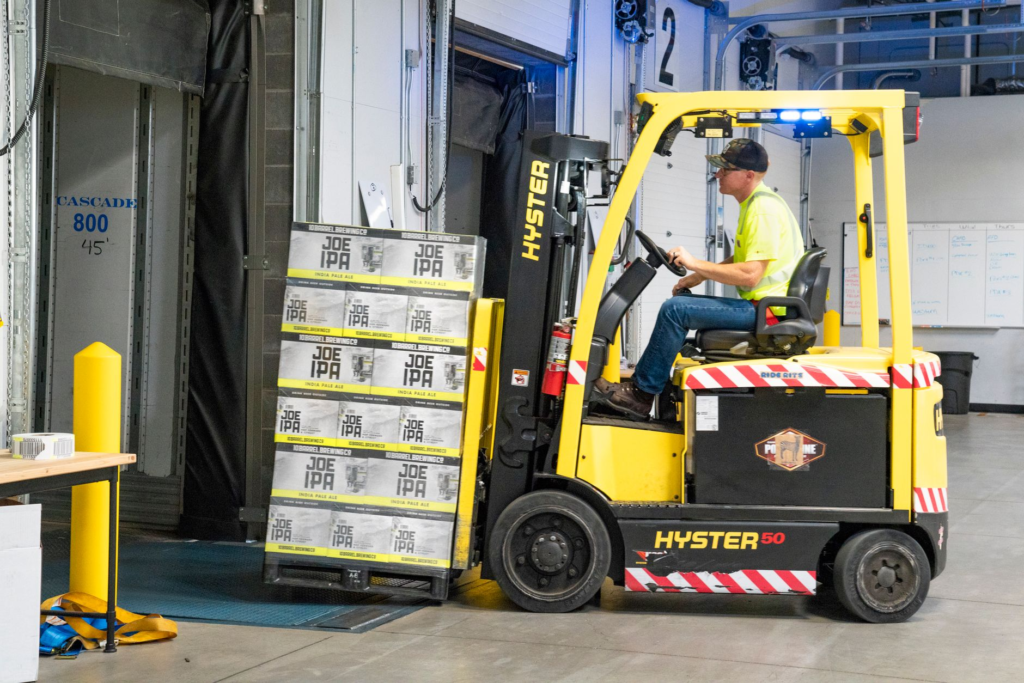
For instance, forklift drivers who routinely check tire pressure, brake function, and battery levels not only safeguard their own well-being but also protect other employees near the vehicle. This meticulous attitude extends to verifying the integrity of racking systems and removing obstructions from aisles. By weaving hazard awareness into daily workflows, employees play a direct role in keeping productivity levels high while boosting the confidence that colleagues and supervisors place in them.
Protective Equipment and Why It Matters
Many newcomers to the industry often see personal protective equipment (PPE) as a mandatory step during orientation. However, seasoned workers understand that gear such as safety goggles, non-slip boots, high-visibility clothing, and gloves can be the difference between smooth operations and situations that lead to painful setbacks.
Adhering to rules about PPE usage indicates a commitment to work quality, as protective gear minimizes disruptions like accidents and time away from tasks.
Organizations that effectively communicate the “whys” behind PPE requirements experience a more engaged workforce. For example, hearing a peer’s anecdote about how steel-toe boots prevented a serious foot injury resonates far more deeply than a simple line in a safety manual. These stories underscore that each piece of equipment serves a vital purpose, guiding employees to see these items not as nuisances but as essential allies for staying active and productive.
Encouragement from Your Peers
Supervisors and managers might design safety policies, but coworkers are on the front lines of execution. When teams openly remind each other to wear ear protection near loud machinery or stabilize loads before moving them, everyone benefits. This culture of mutual awareness and constructive advice leads to fewer oversights, making it more likely that daily operations will run smoothly.
Consider the scenario of a machine operator who notices a colleague’s harness is not adjusted properly. A brief intervention—coupled with a supportive attitude—can prevent a potential mishap and establish a bond of trust. Over time, this neighborly vigilance leads to stronger camaraderie and a greater sense of belonging within the organization. It also reduces the chances of repeated mistakes and fosters a setting where everyone feels invested in one another’s safety.
Building Habits that Become Second Nature
Embracing a routine in which safety checks come as naturally as clocking in is no small feat. It involves consistency, practical training, and sometimes even technology aids to keep processes on track. For instance, a supervisor may implement a mobile app that prompts workers with a daily checklist covering stacked inventory, clear exits, or forklift inspections. By moving beyond a paper-based approach, employees are more likely to stay current with each precaution and remain accountable for their own and their team’s well-being.
Repetition, backed by clear guidance, is a powerful ally. Over time, the repeated practice of checking each item on a list can become ingrained, which means employees don’t have to constantly stop and think about safety; it becomes part of their work ethic. This heightened sense of readiness benefits the entire operation by cutting down on downtime and giving everyone a sense of pride in a workplace that values and protects its personnel.
The Wisdom of Mentorship
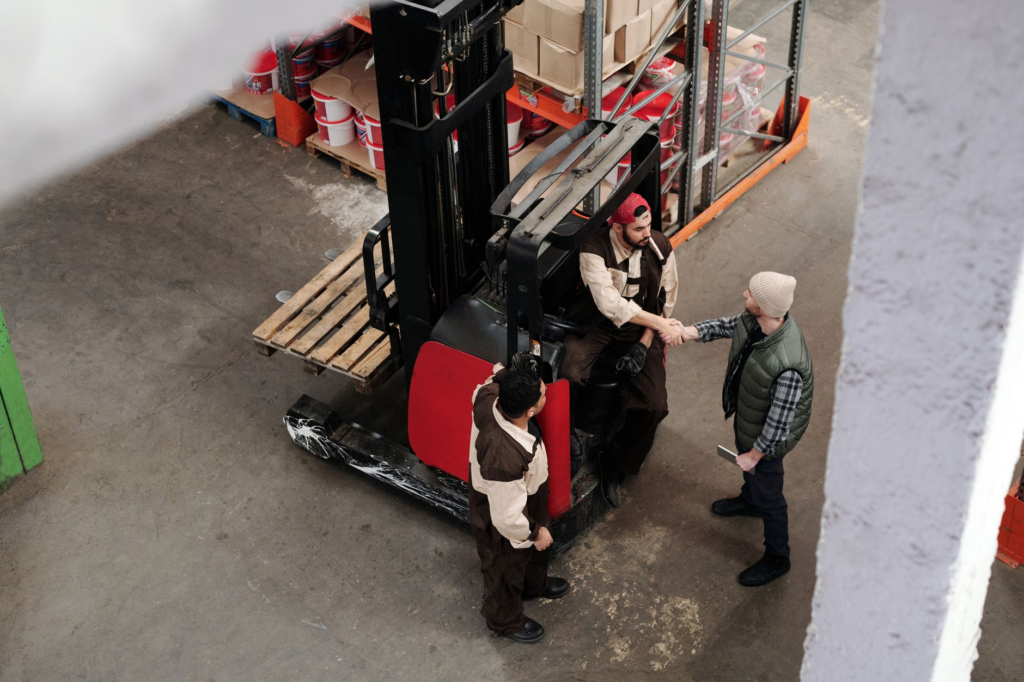
Experienced employees possess firsthand knowledge that can accelerate a team’s progress. Machine operators who have managed large-scale orders during peak seasons understand how fatigue can sneak in and increase the risk of misjudgments. Forklift drivers who have learned the best paths to navigate high-traffic areas can reduce potential collisions.
When these insights filter down through mentorship, both newcomers and veterans benefit from the collective expertise.
Informal guidance also bolsters relationships, as more established team members gain fulfillment from helping others, and novices feel encouraged by a sense of belonging. This synergy raises the bar for everyone, resulting in smoother workflows and fewer errors. With a wider skill base and stronger collaboration, entire departments can pivot more quickly in response to changing demands or unanticipated obstacles. In addition, these knowledge-sharing ventures cultivate long-term loyalty—employees often remain at organizations where they feel valued and secure.
Open Communication to Address Concerns
Maintaining a productive environment in warehouses and similar facilities relies heavily on honest, transparent dialogue. If someone spots an unusual vibration in a conveyor belt or a flickering light that might signal electrical problems, they should feel comfortable alerting the right people. Encouraging this practice, however, requires leadership to champion a non-punitive approach. When workers trust they will not be reprimanded or ignored for identifying hazards, they are much more inclined to share feedback that might keep everyone safer.
Simple tools such as digital suggestion boxes, routine Q&A sessions, and dedicated safety hotlines can make an enormous difference. If team members are confident their insights are taken seriously, small issues can be addressed before they escalate into large-scale problems. Ultimately, this transparency prevents losses tied to damaged goods or workforce injuries and solidifies a robust culture in which employees know they have a voice in maintaining high standards.
Connecting Safety Performance and Career Advancement
Managers often keep track of who reliably abides by established protocols. Over time, individuals who combine strict adherence to safety rules with consistent productivity gain access to better roles and elevated responsibilities. These professionals are seen as trusted pillars of the team, often participating in advanced training or stepping into leadership positions. By distinguishing themselves in this manner, workers expand their skill sets and eventually command higher earnings.
Meanwhile, companies benefit from a pool of employees ready to adapt and excel under varying conditions. This mutual reinforcement of safety and career development reduces attrition, protects assets, and ensures satisfied customers. In an industry where precision and speed matter—be it moving large shipments or producing specialized components—having staff who prioritize safety can be a considerable advantage. The ability to reliably meet deadlines without risking costly accidents or rushed mistakes establishes a reputation that sets businesses apart.
Looking Ahead
The integration of safety principles into daily routines is not a mere box-ticking procedure. It is a strategic choice that bolsters efficiency, minimizes disruptions, and improves morale. Workers who view cautionary measures as a launching pad for professional growth tend to outshine their peers, creating a ripple effect of benefits for everyone from frontline workers to top-level executives. Over time, such conscientiousness opens doors to new responsibilities, better earnings, and job stability.
Maintaining an unwavering focus on safe habits, regular communication, and supportive mentorship fosters professional communities poised to thrive in even the most demanding situations. By leveraging these insights, both employees and companies can achieve remarkable outcomes. Primero Staffing is proud to support organizations and workers alike in building these culture-driven, safety-conscious teams across North Carolina, Northern Georgia, and Southern Virginia. When safety stands as a top priority, everyone reaps the rewards through greater trust, higher performance, and lasting career possibilities.