Introduction
Warehousing operations across the Southeastern United States continue to evolve at a rapid pace. From large distribution centers in Northern Georgia to smaller storage facilities in Southern Virginia, leaders are under constant pressure to meet delivery timelines without sacrificing safety, quality, or employee morale. At the center of this challenge is strategic workforce management—the ability to align people, processes, and planning in a way that supports long-term performance. While every facility has unique demands, the core pillars of effective workforce management remain consistent: planning, training, communication, data utilization, and retention. When applied thoughtfully, these principles help operations remain resilient in the face of changing market conditions. Primero Staffing works closely with warehouse and light industrial employers throughout the region to support these exact needs.
The Role of Strategic Workforce Planning
Strong warehouse performance begins with thoughtful workforce planning. Ensuring the right employees are placed in roles that match their skills and strengths reduces errors, improves efficiency, and lowers turnover. Rather than reacting to staffing gaps as they arise, proactive planning allows managers to prepare for demand fluctuations and operational shifts.
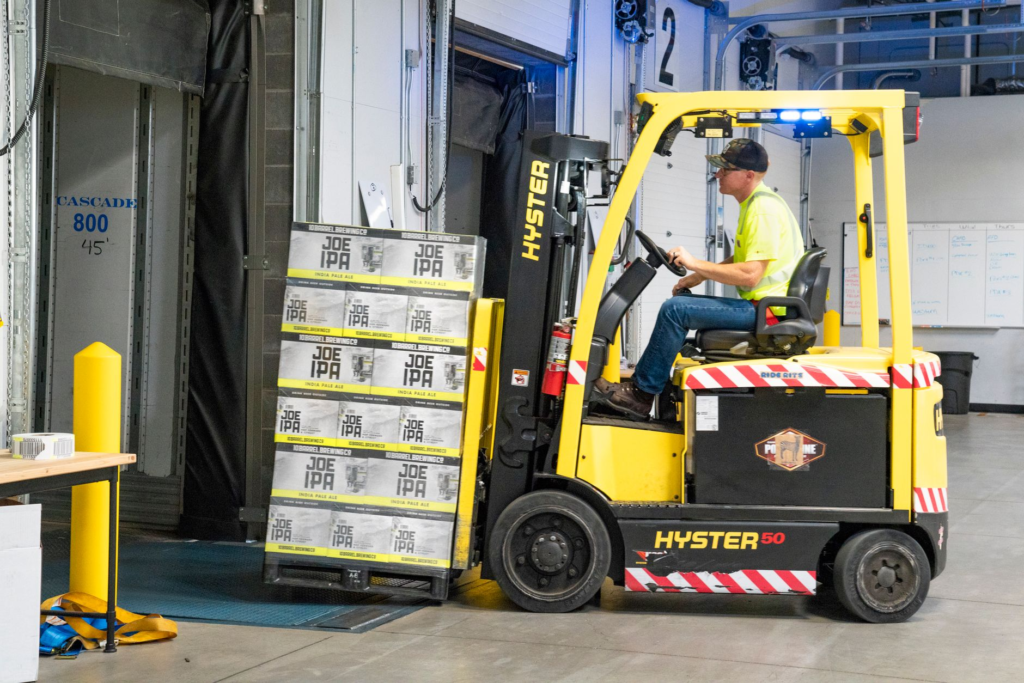
Clear staffing blueprints outline responsibilities, performance expectations, and skill requirements for each role. For example, forklift operators must demonstrate attention to detail and safety awareness, while production line workers often excel in structured, repetitive environments. Aligning talent with job demands helps maintain consistency across shifts and prevents employee burnout. Balanced workloads also reduce absenteeism and reliance on overtime, creating a healthier and more predictable operation.
Designing Efficient Processes and Facility Layouts
Even the most capable workforce can be slowed by inefficient workflows. Poorly organized storage, unclear labeling, or unnecessary movement across the facility can quietly drain productivity over time. These small inefficiencies add up, leading to slower turnaround times and increased frustration among employees.
Well-designed layouts place high-use items within easy reach and streamline traffic flow throughout the warehouse. Clear labeling systems reduce picking errors and speed up fulfillment. Many high-performing facilities conduct regular workflow reviews, observing daily tasks and asking frontline employees for feedback. These insights often uncover simple improvements—such as rearranging storage zones or introducing color-coded systems—that significantly reduce errors and wasted time. When workflows support employees rather than hinder them, productivity and morale both improve.
Strengthening Performance Through Comprehensive Training
Effective processes require skilled employees to execute them correctly. Comprehensive training ensures workers understand safety protocols, operational standards, and best practices from day one. This goes beyond basic orientation and includes hands-on demonstrations, mentoring, and ongoing education.
In warehouse and light industrial roles, continuous training is especially important as equipment and technology evolve. Forklift operators may need refresher courses, while maintenance teams must stay current on new systems. Scenario-based training and simulations—such as virtual practice for navigating crowded aisles—help employees build confidence and make better decisions in real-world situations. Ongoing development reduces errors, minimizes injuries, and creates opportunities for advancement within the organization.
Encouraging Transparency and Clear Communication
Open communication is essential for maintaining smooth operations. When employees feel comfortable sharing concerns, reporting issues, or suggesting improvements, problems are addressed before they escalate. Regular team huddles or brief shift meetings allow managers and staff to stay aligned on priorities and quickly resolve discrepancies.
Transparent leadership builds trust by explaining operational changes and acknowledging employee input. Anonymous feedback tools or brainstorming sessions give frontline workers a voice in improving workflows. Often, those closest to the work identify practical solutions—such as adjusting task sequencing or ensuring supplies are consistently stocked—that leadership may overlook. A culture of openness fosters collaboration and keeps teams focused on shared goals.
Using Data and Analytics to Guide Decisions
Data-driven decision-making has become a cornerstone of modern warehouse management. Tracking metrics such as order accuracy, labor utilization, and on-time delivery reveals where processes are thriving and where adjustments are needed. Whether through advanced software or simple reporting tools, consistent analysis provides clarity.
Analytics help managers identify training needs, staffing gaps, or shift-level performance issues. For example, higher error rates on a specific shift may signal the need for additional training or staffing adjustments. Historical data also supports better forecasting, allowing operations to scale staffing during peak periods and avoid last-minute disruptions. When workforce decisions are grounded in data, operations become more agile and resilient.
Retaining Talent Through Growth and Development
Retention remains a major challenge in warehousing, particularly when employees see limited opportunities for advancement. High turnover disrupts operations and places additional strain on remaining staff. Offering growth opportunities—such as cross-training, certifications, or leadership development—helps address this challenge.
When employees expand their skill sets, operations gain flexibility. A worker trained in multiple roles can step in during absences or demand spikes. More importantly, development opportunities show employees that the organization is invested in their future. Clear pathways for advancement transform entry-level positions into long-term careers, improving loyalty and reducing turnover-related costs.
Building Long-Term Operational Strength
Sustainable warehouse success depends on aligning workforce strategy with operational goals. Proactive planning, efficient workflows, continuous training, open communication, data-driven insights, and meaningful development opportunities work together to create stable, high-performing teams. In an environment shaped by rising consumer expectations and supply chain complexity, these principles help organizations remain competitive while supporting employee well-being.
For warehouse and light industrial businesses across the Southeastern United States, Primero Staffing provides tailored workforce solutions designed to support these strategies. By focusing on workforce excellence, organizations can build operations that are not only productive today but also prepared for the demands of tomorrow.