From warehouse associates to production line workers, today’s employers are looking for well-rounded professionals who support efficient operations while maintaining strong safety standards. Understanding the traits employers value most—such as reliability, teamwork, communication, adaptability, and safety awareness—helps workers better align their skills with industry expectations and build long-term career success.
Building a Culture of Accountability
Reliable warehouse workers. is one of the most important qualities employers seek. This includes consistent attendance, punctuality, and ownership of daily responsibilities. However, accountability is not just an individual trait—it is reinforced by organizations that set clear expectations and provide consistent feedback.
Many employers establish transparent performance metrics, production goals, and quality standards so employees can clearly see how their work contributes to overall success. Recognizing individuals who consistently meet expectations—such as a picker who maintains accuracy or an order selector who reliably meets quotas—encourages pride and motivation. When accountability becomes part of workplace culture, morale improves and productivity follows naturally.
Leveraging Collaborative Team Dynamics
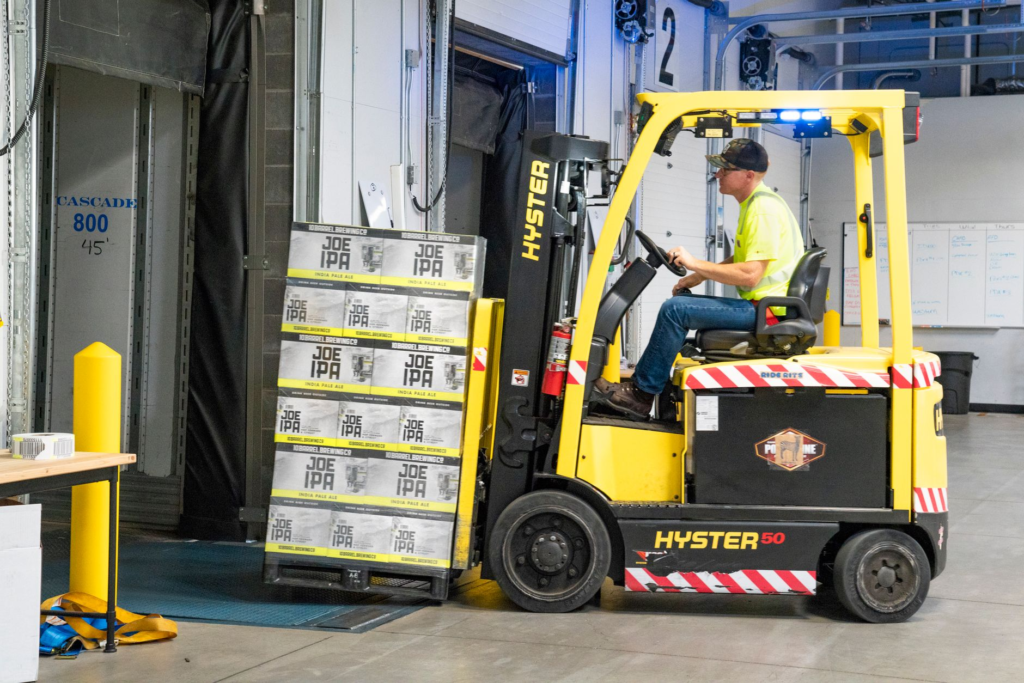
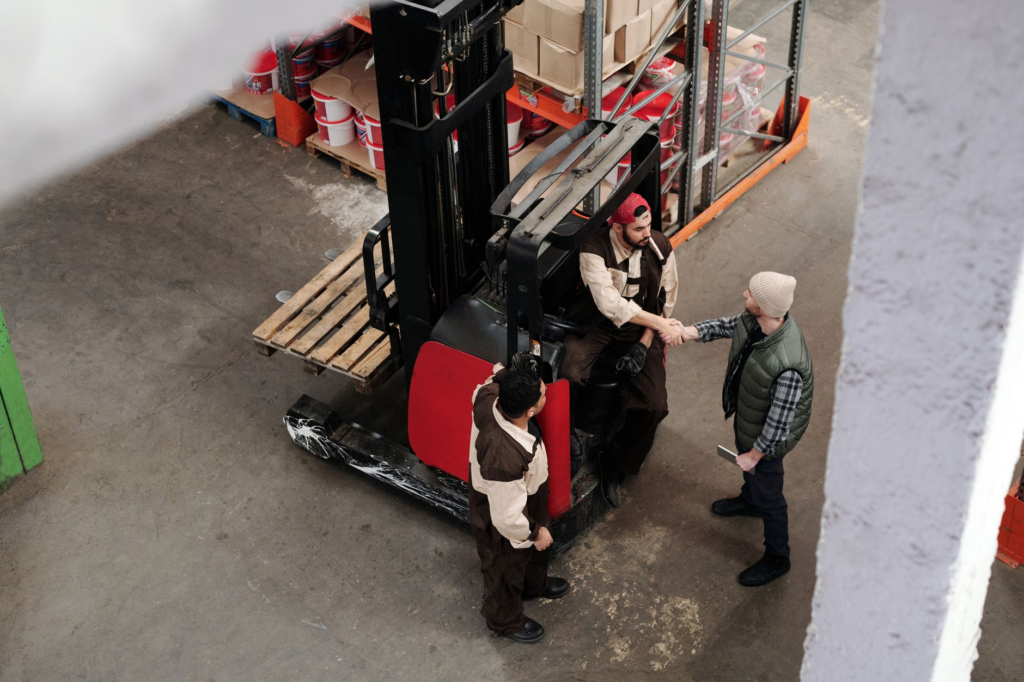
Warehouses and manufacturing floors rely on teamwork to operate efficiently. Employers value employees who are willing to support others and step outside their immediate role when needed. For example, a forklift operator who helps reorganize materials during a production surge can prevent delays and keep workflows moving.
Encouraging collaboration through cross-training, group problem-solving sessions, or team-based goals helps employees understand how different roles connect. This approach is especially effective in lean operations, where flexibility and cooperation prevent bottlenecks. Strong teamwork transforms a workforce from simply functional into one that performs reliably under pressure.
Enhancing Communication at Every Level
Clear communication is essential for smooth warehouse and production operations. Employees who share timely updates about inventory levels, equipment issues, or safety concerns help prevent costly disruptions. Brief daily check-ins or shift huddles allow teams to address small problems before they escalate.
In diverse workplaces, effective communication may also mean addressing language barriers. Multilingual supervisors, translated materials, or language support programs help ensure everyone understands expectations and safety protocols. Employers also value employees who feel confident sharing ideas for process improvements, as these insights often lead to increased efficiency and cost savings.
Embracing Adaptability and Continuous Learning
Adaptability is a critical skill in fast-moving industrial environments. Demand shifts, staffing changes, and new technologies require employees who are willing to learn and adjust quickly. Workers who can operate multiple machines or support different departments become especially valuable during staffing shortages or peak periods.
Employers that invest in ongoing training—such as equipment certifications or warehouse management software education—benefit from a more versatile workforce. Employees, in turn, gain new skills and greater job security. Adaptability strengthens both individual career growth and organizational resilience.
Prioritizing a Safety-First Mentality
Safety awareness is fundamental in warehouse and production roles. Employers expect workers to follow safety protocols, but they also value employees who actively anticipate risks and take preventive action. Simple habits—such as checking load stability or ensuring machine guards are in place—can prevent injuries and downtime.
Organizations that regularly reinforce safety through training sessions, demonstrations, and refreshers create safer, more confident teams. A strong safety culture reduces accidents, lowers insurance costs, and improves employee retention—especially among workers who value a supportive and responsible workplace.
Implementing Holistic Recruitment and Retention Strategies
Successful hiring goes beyond technical skills. Employers increasingly use behavior-based interviews to assess reliability, communication style, and attention to detail. These soft skills are essential in physically demanding and fast-paced environments.
Retention efforts are just as important. Clear advancement opportunities—such as forklift certification or lead roles—encourage employees to stay and grow with the organization. Regular performance feedback and transparent evaluation processes help employees understand expectations and career pathways, improving long-term satisfaction and retention.
Gaining a Competitive Edge Through Strategic Partnerships
For many organizations, especially smaller operations, partnering with a specialized staffing provider offers access to a broader pool of qualified candidates. Staffing partners with light industrial expertise understand safety requirements, job demands, and local labor markets.
By handling screening, vetting, and compliance, staffing partners save internal teams time while improving hiring accuracy. When chosen carefully, these partners act as an extension of internal HR efforts, helping businesses build dependable teams even in competitive or unpredictable labor markets.
By focusing on accountability, collaboration, communication, adaptability, and safety, employers can build workforces that consistently deliver results. These qualities not only improve daily operations but also create environments where employees feel valued and motivated to stay.
Primero Staffing remains committed to connecting businesses with skilled, dependable professionals who embody these essential traits. By investing in people and fostering strong workplace cultures, organizations can meet production demands, improve retention, and position themselves for long-term growth in an ever-evolving industrial landscape.