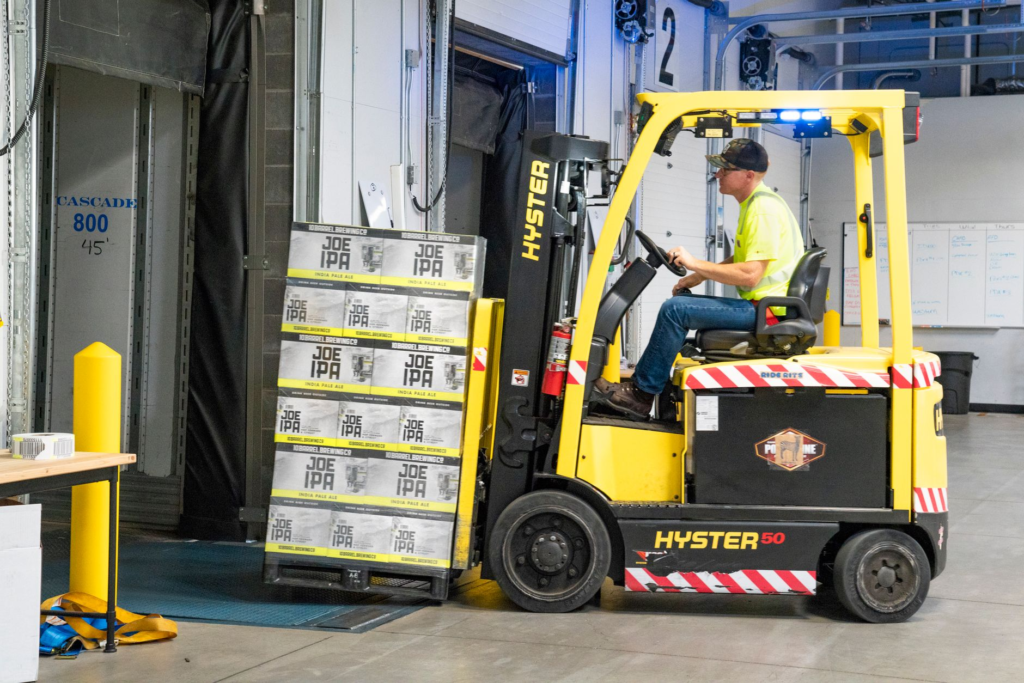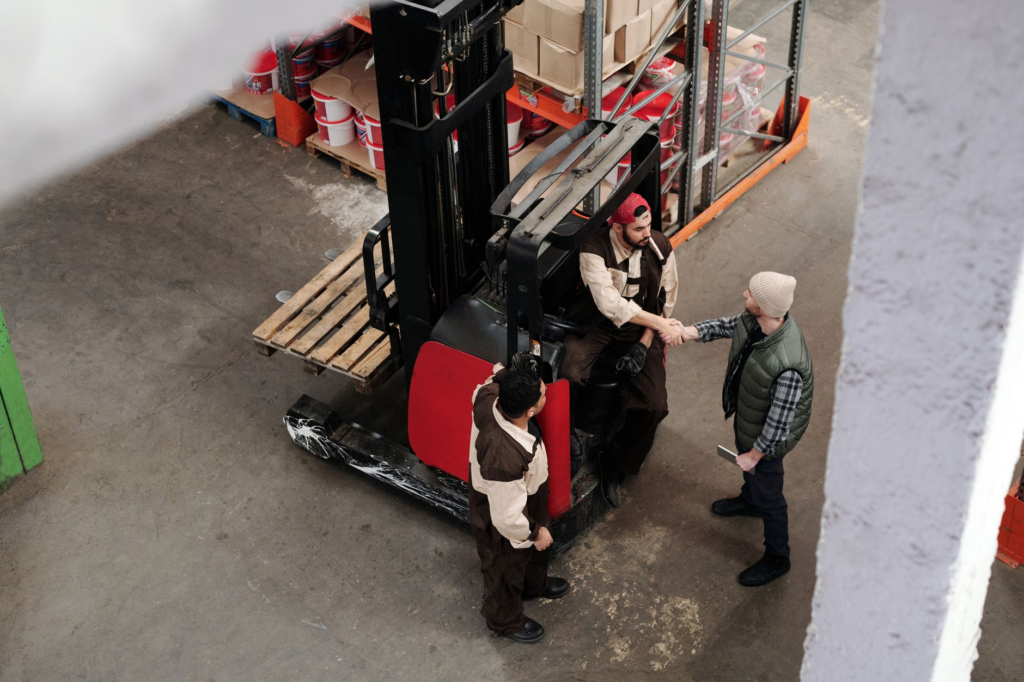
High-volume warehousing operations thrive on precision, planning, and well-orchestrated teamwork. Even the most efficient facilities can experience downtime and confusion if shift transitions are not optimized. In these bustling environments, having a clear approach to handing off responsibilities between outgoing and incoming teams is paramount. Smooth changeovers help protect productivity, ensure safety protocols are respected, and foster a positive work culture that keeps employees motivated. For organizations across the Southeastern United States looking to maintain operational excellence, having the right mix of procedures and personnel can mean the difference between consistently meeting goals and grappling with disruptions. Although Primero Staffing has broad expertise in fulfilling light industrial, warehouse, and manufacturing staffing needs, the core principles behind seamless shift transitions are beneficial for any warehousing setup.
Fine-Tune Scheduling to Match Operational Demands
A well-structured schedule forms the backbone of any transition plan. In high-volume warehouses, managers often deal with rapidly shifting requirements—ranging from peak order processing times to unexpected equipment breakdowns. Successful scheduling means placing the right personnel in the right slots. For instance, if your facility handles a surge of orders early in the workday, it’s wise to schedule skilled order pickers for the onset of that shift, ensuring you have the manpower to handle sudden spikes in volume. By mapping out employee skill levels—whether that involves forklift operation, general warehouse duties, or inventory management—you boost efficiency by matching each phase of work with the teams that excel in it.
In smaller operations, organizing rosters can be just as critical. While it may seem that a compact workforce offers limited flexibility, even small adjustments can yield sizeable improvements. For instance, if a particular machine operator is more effective in the late afternoon, consider aligning their shift to harness their productivity at that time. When employees feel their strengths are recognized, morale often rises, directly affecting punctuality and teamwork. Provided communication remains transparent, staff members tend to be more accepting of any scheduling tweaks. This level of openness not only reduces friction but also positions the transition between different work shifts as a collaborative handoff rather than a mere swapping of personnel.
Define Roles and Responsibilities Clearly
Whether your operation spans multiple warehouses or just a single facility, clarity around each worker’s duties is crucial for a successful shift transfer. Overlapping responsibilities can lead to unfinished tasks, duplicated work, or worse yet, safety oversights. Take the time to craft comprehensive job outlines or checklists that detail what each position should accomplish. Doing so might initially feel time-consuming, but once employees have a concise framework, each shift can focus on its key activities without second-guessing who handles what.
Establishing these role definitions fosters a sense of accountability. A production line worker will know whether they are also responsible for verifying batch numbers or if those verifications fall to the quality assurance technician. If an urgent customer order arrives unexpectedly, the team on duty can swiftly adapt, aware of whose skill set is best suited to fulfill the task. Even if new hires or cross-trained personnel step into different roles, predefined parameters guide them to perform essential responsibilities accurately. Ultimately, having transparent guidelines creates an organized handoff that keeps team members aligned and ensures minimal disruption during peak periods.
Leverage Real-Time Communication Tools
Warehouses are fast-moving environments where critical updates happen hourly—if not more frequently. Having real-time communication tools in place can drastically reduce potential slowdowns. Modern warehouse management systems (WMS) and communication apps allow workers to see inventory counts, track order statuses, and receive notifications about necessary adjustments on their handheld devices or station monitors. Gone are the days when shift leaders had to track down colleagues in person, losing valuable minutes in the process.
Adopting these digital tools isn’t exclusive to large companies. Many smaller businesses now benefit from flexible, cloud-based apps that cater to tight budgets while offering high-level features. For example, a compact warehousing operation that handles specialized e-commerce orders can benefit from real-time messaging platforms to manage unexpected inbound deliveries or changing deadlines. With each shift, aware of the latest updates, transitions take place with minimal confusion. The result is a facility that reacts faster to bottlenecks and keeps miscommunications from snowballing into larger operational crises.
Develop Standardized Handoff Protocols
Before an outgoing shift clocks out, a uniform sequence of tasks and confirmations should be observed. Think of it as a handoff checklist—securing unfinished work, reorganizing materials used during the shift, and ensuring machines are documented if they require maintenance. For supervisors, verifying that assigned tasks have been completed or transferred sharply reduces the risk of any item falling through the cracks. Such systematic consistency paves the way for clarity, even if the incoming team is short-staffed or composed of temporary replacements.
Contrary to the impression that formal processes squash flexibility, standardized guidelines can actually encourage adaptability where it’s needed most. Individuals are free to find innovative approaches within the framework of established steps. And when unusual incidents arise—a sudden power outage or an emergency equipment repair—workers and managers alike know exactly what baseline measures to follow. This balance of defined procedures and creative problem-solving gives warehouses the structure they need to handle volume surges without skipping a beat.
Prepare Detailed Shift Reports for Transparency
A succinct yet thorough shift report can feel like a lifeline to someone walking in fresh. It should cover essential items such as tasks completed, outstanding inventory checks, equipment statuses, and any critical deviations from standard workflow. High-volume facilities, in particular, benefit from color-coded or bulleted summaries that highlight immediate concerns. Imagine a scenario where a large batch of returned items arrived near the close of one shift, requiring immediate sorting. If clearly documented, the crew dictating the next phase of work knows to prioritize returns right after clocking in instead of hunting around for where issues might reside.
In addition to guiding day-to-day activities, these shift reports provide a historical record. Managers can track repetitive issues—such as recurring equipment malfunctions during certain times—and allocate resources more effectively. Meanwhile, employees gather a deeper understanding of how their efforts fit into the overall operational tapestry. This clarity often generates a stronger sense of purpose, reinforcing the idea that each shift plays a part in a larger collaborative effort.
Align Workforce Synergy with Capable Talent
Even the most elaborate planning will falter if the workforce isn’t prepared or robust enough to carry out tasks. High-volume warehouse work often requires a specialized skill set—whether that involves operating complex machinery or managing time-sensitive picking processes. While it may be tempting to rely on ad-hoc hiring, this approach can leave gaps during sudden workload spikes. Instead, cultivate a ready pool of talent that can step in promptly.
Some organizations might fear that developing a dependable pipeline of qualified workers is resource-intensive. However, the payoff from having a team familiar with the facility’s layout, safety procedures, and mission-critical assignments far outweighs the initial investment. In emergencies where a machine operator calls in sick or an influx of orders lands unexpectedly, you can swiftly plug in a trained professional from your bench. Building that synergy creates deeper continuity between shifts, ultimately streamlining handovers because employees already understand the established processes.
Emphasize a Culture of Ongoing Improvement
Efficient shift transitions are less a one-time initiative and more an evolving practice that refines itself over time. Encouraging continuous learning means inviting workers to share what’s working and what pitfalls need addressing. For instance, a team might notice repeated slowdowns occur between midnight and early morning. Gathering feedback could reveal that an outdated piece of equipment is consistently causing backups, and upgrading or servicing it might solve the issue.
Regular check-ins or brief debriefing sessions spark this collective mindset. In many cases, smaller organizations enjoy faster turnarounds in implementing new ideas, given fewer layers of approval. Larger enterprises can replicate this responsiveness by forming cross-departmental committees to assess the effectiveness of transitions. The key is to remain open to making strategic adjustments, whether it’s recalibrating shift timings, updating cables on a conveyor belt, or providing more in-depth forklift training. Over time, these incremental improvements can accumulate, defining an operation known for its seamless handovers and collaborative synergy.
Seamless Shift Transitions Make a Difference
Maintaining efficiency and unity during warehouse shift changes is no small task. From strategic scheduling and role identification to leverage of real-time communication, every process can be fine-tuned for better results. Employees who trust the system are more likely to show up ready to tackle challenges, knowing exactly what’s expected of them. As volumes grow or peak seasons roll around, these carefully coordinated strategies preserve smooth handoffs and protect quality standards. If you’re seeking deeper support in workforce planning, Primero Staffing stands ready to connect you with dependable light industrial talent, ensuring your daily workflows remain as productive as possible. By committing to well-structured transitions and embracing continuous enhancements, warehouses of any size can maintain momentum and consistently meet their performance targets.