Integrating Workforce Decisions with Core Business Objectives
Organizations that view hiring as part of a holistic growth strategy often experience the most success. When every recruitment effort supports broader operational goals, individual hires become critical building blocks rather than isolated additions. For instance, if a warehouse is trying to shorten fulfillment times to enhance customer satisfaction, onboarding a machine operator who both excels at technical tasks and takes initiative can lead to smoother production cycles. On the other hand, spotting a picker/packer with a track record of minimal order errors can help slash shipping delays and improve overall efficiency.
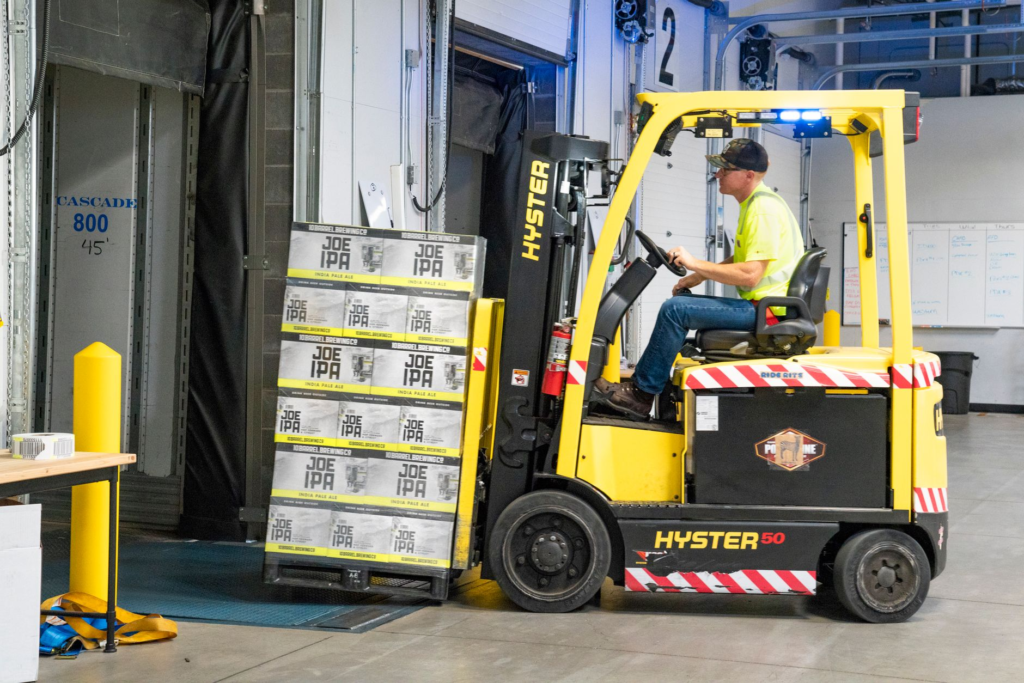
This strategic approach involves more than matching a candidate’s résumé to a job description. It requires an in-depth understanding of how each role feeds into the bigger picture: from forklift drivers adding speed and safety on the dock to warehouse supervisors ensuring production lines never miss a beat. By aligning workforce decisions with mission-critical objectives, organizations transform new hires into allies who spur sustainable, measurable achievements.
Examining Workforce Gaps Through Thorough Analysis
Just as a thorough inventory highlights missing or underutilized items, an in-depth workforce analysis pinpoints skill deficits that may undermine operational efficiency. Many businesses overlook the value of collecting solid data on existing resources. A more effective alternative involves scrutinizing output, evaluating turnover trends, and probing departmental feedback to identify occupational blind spots. For example, a facility might discover it lacks personnel trained to operate recently introduced automation equipment, causing frequent production slowdowns.
Once these shortcomings are clearly outlined, managers and decision-makers can focus on the specific expertise needed to propel productivity. Whether that means hiring additional forklift drivers to speed up deliveries or recruiting a supervisory specialist who can refocus an underperforming segment, a targeted approach steers resources exactly where they are needed. This specificity ensures each hire ultimately supports the company’s overarching vision.
Recognizing the Importance of Adaptability and Soft Skills
Warehousing and production environments call for individuals who can not only perform well under pressure but also flourish in dynamic settings. Relying exclusively on technical qualifications may neglect less tangible capabilities that keep operations running smoothly. Adaptable, collaborative personalities who handle unanticipated challenges with composure can be far more valuable in the long run.
Envision a forklift driver who is not only adept at operating the machinery but also extends a helping hand to coworkers, rerouting orders. This proactive mindset can avert bottlenecks and cultivate a spirit of cooperation. Team members who readily share insights or propose refinements encourage an environment where innovation thrives. By placing equal weight on qualities like communication, empathy, and a willingness to learn, employers foster a workplace culture more resilient to shifting demands and unpredictable market conditions.
Employing Flexible Staffing Arrangements for Growth
Seasonal fluctuations and evolving consumer preferences are common drivers of workforce volatility. In light industrial and warehouse settings, contract or contract-to-hire options enable companies to quickly scale up or down based on changing production needs. Consider a distribution center that anticipates a surge of holiday orders but does not want the overhead of permanent roles extending beyond the busy season. By leveraging temporary or contract staffing structures, organizations tap into qualified personnel without committing to long-term costs they might not sustain year-round.
This approach also offers a unique opportunity to evaluate employee performance before making a permanent offer. If a picker/packer demonstrates outstanding accuracy and a keen eye for detail during the initial contract period, transitioning that individual into a direct-hire role becomes a lower-risk and seamless process. Over time, a well-executed strategy around flexible staffing can foster a robust talent pipeline, ensuring crucial positions are filled promptly while mitigating unnecessary expenses.
Anticipating Future Challenges to Reduce Turnover
Businesses often concentrate heavily on immediate staffing needs, inadvertently ignoring longer-term trends that might demand a different skill set. A well-rounded workforce strategy accounts for technology upgrades, shifting regulations, and shifting market demands. For example, a production facility looking to integrate automated conveyors will soon need technicians or operators comfortable with more advanced machinery. Preparing well in advance can ease transitions, reduce disruptions, and minimize turnover linked to mismatched skill sets.
Proactive planning also allows for informed allocations of training budgets. Instead of periodically running short on qualified workers when a new process or tool is introduced, organizations can invest in retooling current staff members who show aptitude and interest. This foresight not only cements loyalty but also primes internal talent for upward mobility, reinforcing a culture where opportunities for professional growth are readily accessible.
Nurturing Continuous Learning and Upskilling
High retention rates often correlate with employees who feel their career trajectories are advancing. Implementing cross-training, on-site mentorship programs, and opportunities for career development encourages staff to stay longer while taking on creative problem-solving roles. In a light industrial setting, a machine operator who gains proficiency in a different piece of equipment becomes a versatile asset, whereas a warehouse associate who develops leadership abilities can step up into a supervisory position.
Beyond enabling smoother day-to-day operations, a culture of continual skill expansion helps reduce organizational vulnerabilities that arise when pivotal employees are absent or when demand unexpectedly spikes. Encouraging collaboration also strengthens team morale, as peers learn from each other and forge robust professional relationships. This momentum creates an upward cycle of enrichment, where knowledge-sharing drives sustainable improvements across the entire organization.
Reaping the Benefits of Partnering with a Staffing Specialist
Although many of these strategies can be managed internally, collaborating with an external specialist often brings deeper insights and accelerated outcomes. A strategic partner with relevant industry experience understands the nuances of matching job requirements with both technical competencies and cultural alignment. By tapping into comprehensive talent networks, businesses gain immediate access to pre-qualified candidates—from production line workers to warehouse custodial technicians—positioned to add immediate value.
A dedicated staffing professional can also offer guidance on elements such as workforce forecasting, onboarding, and retention methods. These services address talent demands before they become roadblocks, allowing companies to maintain a proactive stance rather than a reactive one. In rapidly evolving logistics fields, being prepared to seize emerging opportunities or overcome sudden staffing challenges can be the difference between modest advances and robust expansion.
Taken together, these best practices—ranging from aligning talent acquisition with core objectives to employing flexible staffing arrangements—foster a holistic approach to achieving strong operational performance. They promote resilience and give businesses the agility required to ride the waves of market changes while maintaining productivity and quality. Whether the goal is reducing lead times, lowering turnover, or enhancing safety metrics, selecting the right personnel in the right roles at the right time is often a decisive factor in long-term success.
Primero Staffing remains committed to helping companies thrive in the Southeastern U.S. by connecting them with skilled professionals who merge seamlessly into existing teams and processes. By combining a thoughtful recruitment process with strategic planning, businesses can unlock the full potential of their workforce, powering growth, stability, and ongoing advancement in the face of evolving industry demands.