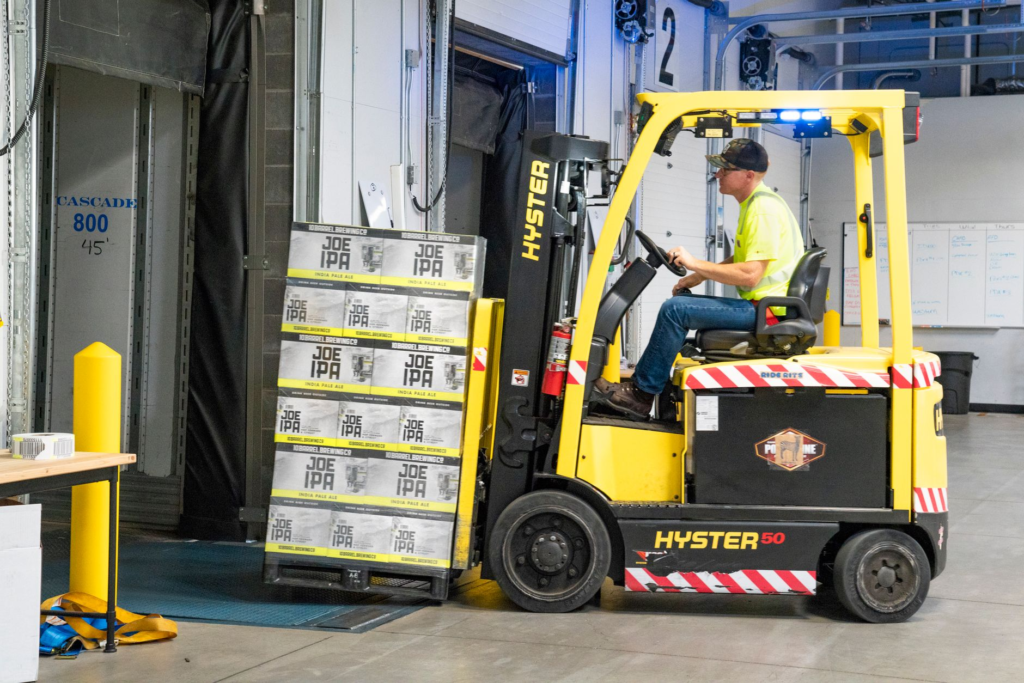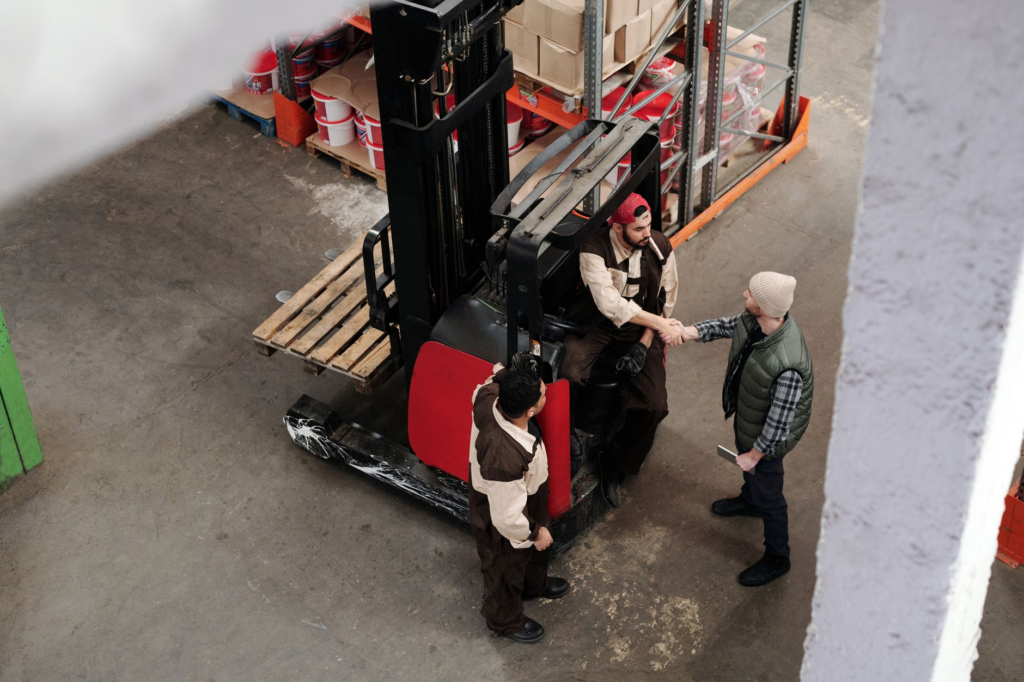
Staffing plays a pivotal role in the warehousing and light industrial sectors across North Carolina, Northern Georgia, and Southern Virginia. Whether managing a distribution facility loaded with seasonal goods or a smaller operation focused on steady production, workforce alignment determines how quickly and accurately items move through the supply chain. At the same time, an unplanned shortage of pickers, machine operators, or custodians can trigger missed deadlines and impact customer satisfaction.
As a leading provider of light industrial and manufacturing workforce solutions in the Southeastern United States, Primero Staffing recognizes that effective staffing is a complex discipline that requires more than simply matching names to shifts. Instead, it involves advanced planning, structured recruitment, skillful onboarding, and a culture that embraces ongoing development. Discover below warehouse Staffing Strategies to help your business navigate this new era.
1. Advanced Workforce Planning for Agile Warehousing
An effective plan to anticipate workforce demand is the cornerstone of any productive warehouse. This means looking beyond immediate project loads and instead analyzing potential workloads through sales projections, past performance, and upcoming business cycles. If, for instance, a facility expects higher inventory turnover before a major holiday, it can schedule more forklift operators and order pickers to accommodate the influx of goods.
Planning ahead also establishes a framework to navigate inevitable market fluctuations. Instead of reacting to mounting orders at the last minute, a facility can strategically deploy extra hands for packing and shipping during peak periods. Proactive scheduling improves efficiency, minimizes overtime costs, and prevents employee burnout by aligning the number of workers with the true pace of operations. The result is a streamlined environment where shipments move out smoothly, and downtime—caused by miscommunication or over-allocation of resources—is kept to a minimum.
2. Building a Strategic Recruitment Funnel
Attracting qualified candidates involves more than posting vacancies on job boards. It requires creating a cohesive recruitment funnel that guides prospects from their first awareness of a role to the formal job offer. Organizations that effectively convey their workforce culture and potential career paths stand out in a crowded market. For example, adding brief videos or photos of daily life on the warehouse floor can give candidates a genuine peek at what it’s like to be part of the company.
Once interested job seekers apply, refined vetting processes—like standardized screening exams, skill evaluations, and structured interviews—ensure that only top contenders move forward. This approach helps reduce turnover by matching warehouse needs with individuals who possess both the ability and the temperament for fast-moving, detail-oriented tasks. Strategic partnerships with local community groups, apprenticeships, and vocational programs can further expand the pipeline, especially when looking for specialized roles like machine operators or supervisors. Selecting the right people from the outset significantly cuts time spent resolving performance issues or filling persistent gaps in the roster.
3. Streamlined Onboarding for Long-Term Success
Simply having skilled candidates show up is only half the solution. A thorough onboarding process equips newcomers with the tools, insights, and safety protocols necessary to hit the ground running. This journey might begin with a detailed review of organizational goals and standard operating procedures, followed by hands-on demonstrations of proper equipment handling.
Pairing new hires with experienced mentors can be especially impactful. For example, a new forklift operator may benefit from shadowing a seasoned supervisor for the first week, learning how to navigate tight corners, manage weight limits, and coordinate with floor staff. Introducing technology-based modules or orientation videos covering critical topics—such as inventory control, order selection, and safe lifting techniques—allows learners to revisit information at their own pace. By setting clear expectations early on, organizations minimize employee confusion and cultivate an atmosphere where people feel empowered to innovate and refine daily workflows.
4. Cross-Training to Promote Efficiency and Versatility
Downtime often happens when workloads spike in one department while others have extra capacity. Cross-training enables each team member to assume multiple responsibilities, alleviating bottlenecks that might otherwise slow production. For example, an individual who started as a picker might receive training in labeling or minor machine troubleshooting. This additional skill set reduces wait times for cross-department tasks and encourages employees to grow in their careers.
Moreover, inviting workers to learn diverse tasks fosters a sense of inclusion and collaboration. When people understand how various aspects of the operation interconnect, they are better prepared to handle unexpected challenges and more likely to take proactive measures to maintain efficiency. Smaller operations particularly benefit from cross-training because every role is critical, and the absence of personnel can lead to immediate strain. By proactively teaching multiple skill sets, management keeps the workflow resilient, allowing staff members to slide smoothly into roles as needed.
5. Fostering Ongoing Staff Development and Engagement
Warehousing can be high-pressure, with tight deadlines and continuous motion. If employees feel underappreciated or lack opportunities for advancement, overall productivity suffers. That’s why fostering long-term engagement is critical for retaining top talent.
One method to maintain motivation is through continual training sessions covering both technical abilities (such as using newly installed warehouse management software) and interpersonal skills, like teamwork and communication. Regular check-ins and feedback loops create an environment of trust and let employees articulate concerns or aspirations. Some facilities set up mini workshops facilitated by subject matter experts, enabling peers to share insights and best practices. Others establish milestone-based recognition programs where employees are praised publicly for consistent attendance, exceeding productivity benchmarks, or demonstrating exceptional safety awareness.
By nurturing professional growth, management invests in a stable, highly skilled team. This, in turn, translates to fewer errors, shorter turnaround times, and improved morale across the entire operation.
6. Emphasizing Clear Communication and Unified Goals
A smooth-running warehouse depends on transparent, timely communication. Whether handling a major retail shipment or processing daily business orders, every layer of staff must stay informed about priorities and potential changes. Daily shift “huddles” provide opportunities to discuss ongoing tasks, address snags, and adjust responsibilities as needed. Larger distribution networks might leverage advanced digital platforms that offer real-time data on inventory levels, enabling supervisors to quickly reassign workers in response to spikes or lulls.
Additionally, open lines of communication encourage staff to propose suggestions for improving processes. Employees often hold keen insights about obstacles that slow them down, and a management team dedicated to listening and implementing feedback stands better prepared to overcome challenges. Unified goals—reinforced through frequent updates—boost motivation by demonstrating how each team member’s contribution feeds the broader supply chain. With everyone aligned, tasks become more fluid, accountability strengthens, and productivity climbs.
7. Embracing a Culture of Flexibility and Resilience
Volatile market conditions demand an adaptable approach to staffing. For example, e-commerce surges or seasonal demands can require additional pickers, packers, or custodial support on short notice. Facilities that welcome project-based hires, contract-to-hire arrangements, or temporary workforce expansions can quickly adapt without overextending permanent staff.
However, hiring non-permanent workers doesn’t mean sacrificing standards. Tasks like product assembly, inventory tracking, and order fulfillment still require rigorous training, even if a worker is only on the job for a short time. By ensuring that these team members receive a similar level of onboarding and oversight as their full-time peers, warehouses preserve consistent quality and safety levels. In turn, this adaptability underpins an atmosphere where downtime is minimized, even in the face of sudden order spikes or staff absences. The capacity to absorb any dip or surge in workload keeps overall operations fluid and resilient.
8. Fueling Sustainable Growth Through Best Practices
Each of the strategies described—forecasting workforce needs, refining recruitment, streamlining onboarding, championing cross-training, promoting employee engagement, and nurturing flexibility—coalesce to form a pathway toward sustainable expansion. Over time, this approach boosts employee retention, as workers feel valued and empowered to accomplish their tasks effectively. In parallel, management gains the confidence to accept larger or more complex contracts, empowered by a labor pool that’s primed to scale and shift in accordance with shifting demands.
Sustainable growth is not only about short-term gains in productivity; it also concerns longevity and consistent quality. Investing in workforce stability helps an operation consistently deliver accurate orders, maintain high safety standards, and reduce errors that would otherwise erode customer trust. Furthermore, engaged teams frequently spot opportunities for improvement, leading to incremental refinements in efficiency, profitability, and employee well-being.
Next Steps
In today’s dynamic environment, well-executed staffing strategies are essential for warehouses to thrive while minimizing downtime and bolstering output. Advanced planning, targeted recruitment, structured onboarding, and a willingness to train on diverse responsibilities all cultivate a stable, efficient workforce. Enhanced communication keeps everyone aligned on mission-critical tasks, whereas flexible staffing models ensure operations can pivot seamlessly in response to shifting market conditions.
As a trusted partner in light industrial staffing in the Southeastern U.S., Primero Staffing understands the importance of a holistic approach to building motivated teams that deliver consistently high performance. By embracing these proven methods, businesses can sustain growth, maintain agility, and uphold their reputation for reliability across the supply chain.