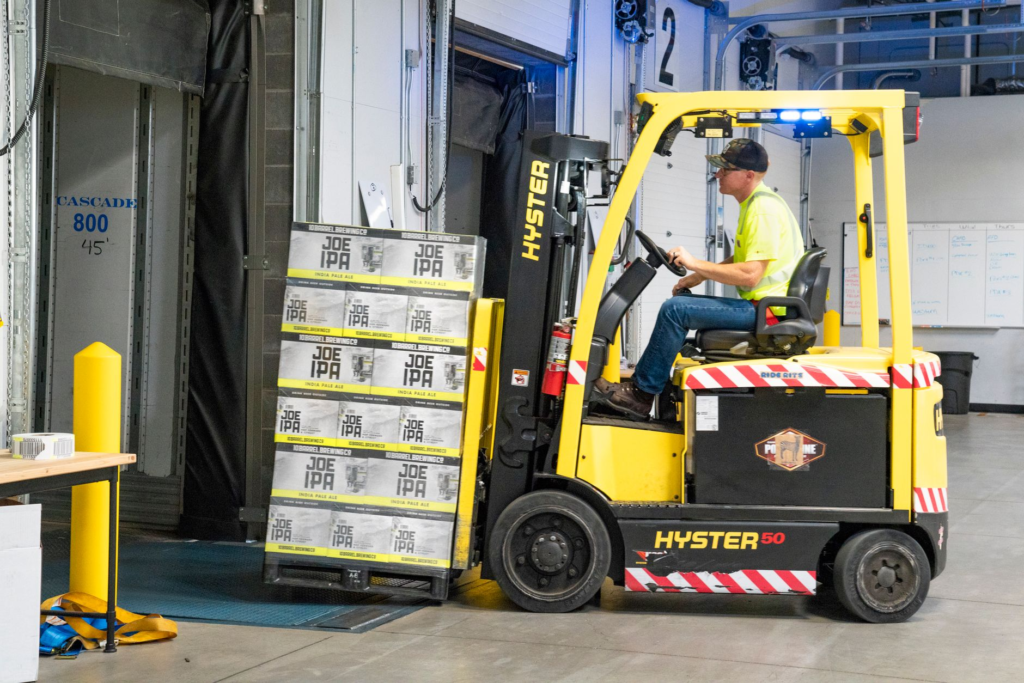
Light industrial professionals like forklift operators, pickers, packers, and production line associates form the backbone of countless manufacturing and warehousing operations across the Southeastern United States. From loading and unloading deliveries to overseeing inventory levels, these industrious workers keep supply chains running smoothly. At Primero Staffing, we’ve observed that many people in these vital positions are eager to grow within the sector but are unsure how to take meaningful steps upward. This comprehensive guide highlights proven strategies for advancing in light industrial roles, offering actionable tips that can turn routine tasks into major career milestones.
1. Strengthen Technical Proficiency for Increased Value
Becoming a sought-after contributor in warehouses, assembly lines, and distribution centers starts with building an impressive toolkit of industry-specific skills. For example, earning specialized certifications—like forklift licenses or detailed machine operation credentials—sets you apart from peers who might only have basic on-the-job training. By nurturing in-depth expertise, you elevate both your individual capabilities and the broader efficiency of your work environment.
Real-world scenarios illustrate how individuals leverage technical knowledge to stand out. A machine operator, for instance, may decide to expand beyond regular duties by learning to troubleshoot and service key equipment. This deeper understanding not only solves technical challenges faster but also cements that operator’s status as an indispensable player on the team. In smaller businesses with tighter budgets, an employee who masters both equipment maintenance and safe handling procedures can significantly boost production without requiring outside help. Ultimately, when leadership spots this level of initiative, it often translates into advancement opportunities.
2. Cultivate Clear Communication and Effective Collaboration
Thriving in a light industrial position takes more than physical dexterity. The ability to communicate concisely and respectfully can be just as vital. Picture a bustling warehouse floor where an associate notices a near-empty pallet that could disrupt workflow if overlooked. By quickly updating colleagues or communicating with a supervisor, that person prevents unnecessary slowdowns and ensures operations remain on track.
Strong communicators also bring teams together, fostering environments that embrace diverse viewpoints. When professionals feel encouraged to share ideas, they’re more likely to brainstorm innovative solutions, reduce errors, and promote seamless coordination. Businesses that promote these skills often witness fewer misunderstandings and an uptick in workplace satisfaction. As a result, those seeking supervisory roles do well to practice active listening, convey expectations confidently, and refine conflict-resolution techniques. These traits build trust on the warehouse floor, shaping you into the kind of leader that teams willingly rally behind.
3. Stay One Step Ahead with Proactive Problem-Solving
Inclusivity in industrial settings extends beyond communication; it also involves anticipating problems before they spiral out of control. Light industrial environments are heavily influenced by last-minute changes, unforeseen machine hiccups, and dynamic production demands. Professionals who remain vigilant for early warning signs can resolve hitches swiftly. For instance, a picker in a distribution center who regularly tracks inventory might notice trends that suggest looming stockouts. By flagging shortages in advance, this attentive individual averts downtime, keeps orders moving, and earns a positive reputation for seeing the bigger picture.
Adopting a solution-centered process not only alleviates short-term issues but also shines a spotlight on your readiness to assume more senior roles. Team leaders and managers value forward-thinking employees who consistently tackle problems with efficiency. Small organizations, in particular, gain a competitive edge by cultivating staff who aren’t afraid to roll up their sleeves and experiment with improvements. Embracing resourcefulness in this way propels both your personal trajectory and your employer’s standing in crowded markets.
4. Harness the Power of Networking to Expand Your Horizons
Networking isn’t limited to high-profile corporate events—it holds tremendous value in light industrial settings as well. Connecting with colleagues, mentors, and professionals in parallel industries can reveal fresh approaches to work, lead to job openings, and help you develop best practices. Don’t shy away from attending local job fairs, regional conferences, or industry collaboration gatherings. Even simple gestures—like striking up conversations with specialists who install warehouse technology—can provide new perspectives on product flow and operational improvements.
Smart networking can uncover unexpected opportunities. A forklift driver might learn about an internal shift into a logistics coordinator role after chatting with someone in another department, or a production line worker could hear about specialized certification programs from a colleague who took them previously. Viewing your workplace, training sessions, and professional events as areas ripe for connection expands your circle of expertise. Moreover, forging trusted relationships with peers and management fosters a greater sense of belonging. Ultimately, the same teamwork that lifts an entire organization also empowers your path to advancement.
5. Uphold Safety, Compliance, and Industry Best Practices
Though technical prowess provides a powerful foundation for advancement, consistent adherence to safety standards can be the difference-maker that gets you noticed. Modern warehouses, manufacturing plants, and industrial complexes place enormous emphasis on meeting Occupational Safety and Health Administration (OSHA) benchmarks. By making a habit of wearing personal protective equipment, reporting hazards, or volunteering to lead a safety walkthrough, you demonstrate that you value the well-being of colleagues and take regulatory compliance to heart.
Leaders seek out individuals who champion these protective measures because they indicate maturity, accountability, and exceptional foresight. Companies that prioritize safe environments both lower accident rates and nurture more confident teams. Over time, those who emerge as safety advocates often receive greater responsibility overseeing workshops, training newcomers, or even managing specialized teams. In many cases, these progressions spark a ripple effect that prompts others to be more diligent about guidelines, fueling a unified culture rooted in trust and security.
6. Build a Structured Action Plan for Advancement
No matter how ambitious you are, a well-thought-out roadmap is essential for turning potential into results. Start by setting achievable targets: maybe you want to move from packing boxes to overseeing shipping logistics within two years. Break bigger objectives into digestible steps, such as finding a mentor, mastering a new piece of machinery, or passing a recognized certification course. Regularly assess your progress and refine your strategy, being willing to pivot if an unexpected opportunity arises.
Small and mid-sized organizations often reward visible drive with hands-on learning experiences, giving top-performing employees the chance to supervise specialized tasks or pilot new technologies. By stepping into pilot projects, you not only deepen your skill set but also become a go-to resource for others who might encounter similar tasks down the line. This accumulation of expertise signals a readiness to handle broader responsibilities and positions you as a logical choice for upward moves. Over time, your dedication to improvement showcases your readiness to make a bigger impact within the company.
7. Fuse Soft Skills with a Growth Mindset for Long-Term Success
A successful career in light industrial work combines technical mastery with interpersonal finesse. In thriving facilities, operators, assemblers, and managers collaborate day in and day out, juggling shifting priorities and urgent deadlines. If you exhibit empathy, camaraderie, and a willingness to adapt, you’ll more effectively integrate with evolving workflows. Meanwhile, your coworkers will be more inclined to share knowledge and support your upward ambitions.
A growth mindset is an equally powerful tool in this journey. Instead of settling into a comfort zone, continuously seek out opportunities to adapt, learn, and improve. Keep up with industry trends—such as newly adopted technologies or evolving regulatory standards—and see how they might affect your role. When a business invests in expansions or implements updated systems, be the first to volunteer for cross-training. This enthusiasm and flexibility bolster your reputation as someone who can handle new responsibilities without missing a beat.
Get Started Today
Elevating your career in the light industrial sector demands a multifaceted approach: refining technical savvy, championing teamwork, anticipating obstacles, establishing meaningful connections, prioritizing safety, and setting structured goals. By embracing this winning framework, you sharpen your capabilities to seize the next rung on the professional ladder. At Primero Staffing—serving North Carolina, Northern Georgia, and Southern Virginia—we’ve witnessed firsthand how a balanced blend of dedication and open-mindedness helps applicants stand out. Staying proactive, honing specialized talents, and aiming for consistent improvement will propel your growth in this vibrant, ever-evolving sector. With patience, determination, and a thoughtful approach to each challenge, you’ll be well-positioned to achieve a fulfilling future in the world of light industrial work.