When looking for a dependable partner to elevate workforce performance, Primero Staffing stands out for its expertise in connecting companies with skilled and reliable personnel. Although every stage of employment is vital, the onboarding process plays a uniquely pivotal role in a light industrial and warehouse setting. By allowing new hires to seamlessly adapt to their responsibilities and the organization’s culture, an efficient onboarding program saves significant time and resources in the long run. It also creates an immediate sense of belonging, fostering a workforce capable of maintaining steady productivity amid demanding schedules.
An effective onboarding strategy extends beyond mere orientation or providing a list of tasks. It immerses newcomers in a supportive environment where they can absorb the various intricacies of daily operations. In bustling warehouses, every minute counts. Workers must swiftly grasp protocols, learn to navigate equipment, and understand the importance of collaborating with colleagues to meet goals. A streamlined introduction to these fundamentals shortens the learning curve, reduces potential setbacks, and encourages open communication among teams. Moreover, when employees feel well-prepared to tackle assignments, they are more likely to remain motivated and invested in their roles.
Below are several key elements to consider when crafting a thorough onboarding plan that boosts your facility’s performance and ensures lasting employee engagement.
1. Building a Meaningful First Impression
The initial encounter with a new work environment can shape an employee’s attitude for months or even years to come. Focusing on a warm welcome sets a positive tone that resonates throughout the onboarding journey. While a comprehensive warehouse tour is important, it’s equally valuable to demonstrate the company’s vision and culture. Brief presentations, group discussions, or interactive sessions can highlight the significance of collaboration and safety. These moments let newcomers see how their individual tasks intertwine with broader operational targets. A supportive opening phase not only answers practical queries but also reassures incoming staff that they’ve joined a team deeply committed to their success.
2. Clarifying Roles with Detailed Guidelines
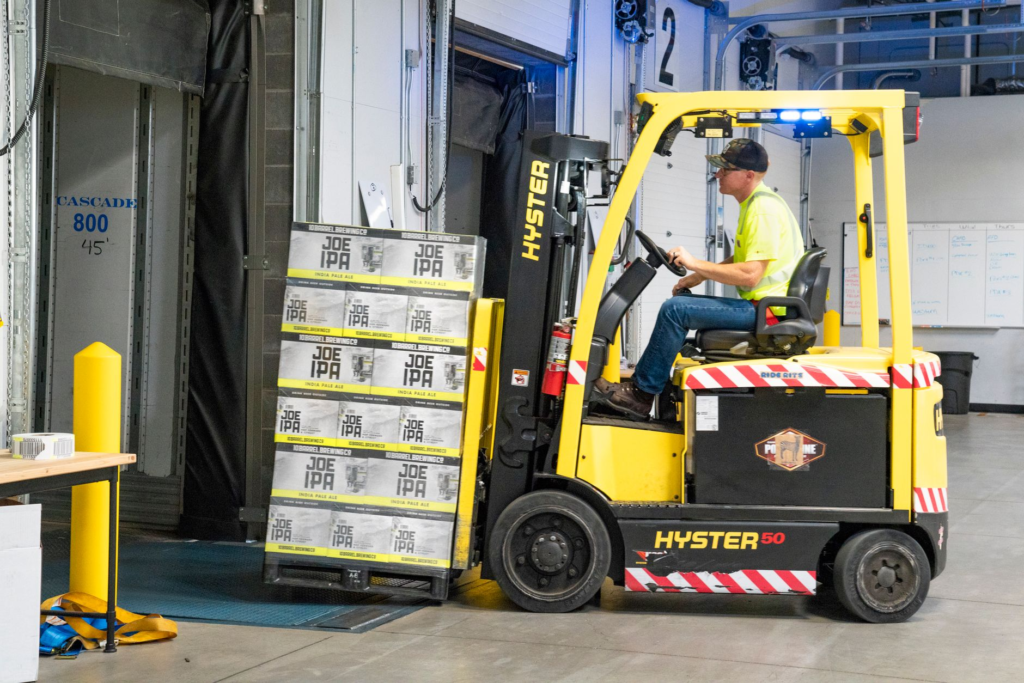
Light industrial facilities thrive on consistent processes to ensure smooth throughput and quality control. A strong onboarding plan includes definitive, well-documented standard operating procedures. By clarifying role expectations and common workflows from the outset, new recruits quickly learn how to complete tasks with minimal errors. For instance, a forklift driver may reference a short manual containing safety checklists and efficient loading techniques, while an order selector might consult a guide on best practices for inventory management. These easy-to-follow resources become crucial touchpoints for answering everyday questions. Aside from boosting confidence in new hires, standardized protocols reduce rework, enhance collaboration among different departments, and make it simpler to maintain high performance across varying shifts.
3. Harnessing the Power of Peer Mentorship
New team members often find it easier to settle in when they have a designated mentor or “buddy.” This individual is typically a seasoned employee with valuable insight into workplace dynamics, equipment usage, and company norms. Assigning an experienced warehouse associate to guide a newcomer streamlines the learning process. Mentors can illustrate how to manage specialized machinery, share tips for remaining efficient during peak periods, and tag along to ensure protocols are followed correctly. This approach also prevents managerial bottlenecks since mentors can address routine challenges on the spot. Beyond skill-building, the connection forged through mentorship fosters camaraderie and empowers both mentor and mentee, as the program underscores a collective investment in success.
4. Elevating Engagement Through Interactive Training
Although initial instructions and observation are critical, practical training sessions give new hires hands-on experience. Warehouses that incorporate group drills for safety procedures, role-playing for conflict resolution, or simulated tasks using organizational software benefit from a more agile workforce. For example, a brief multi-department workshop on labeling and tracking shipments can significantly reduce errors, as employees grasp the importance of accurate documentation in real time. Engaging methodologies ensure that critical lessons sink in, reinforcing a team mentality and helping new staff recognize areas where they can refine their own techniques. Experiential learning also brings a sense of excitement to the job, as recruits are actively engaged instead of passively absorbing information.
5. Encouraging Ongoing Communication and Feedback
A key factor in fostering high productivity lies in maintaining open lines of communication throughout the onboarding phase and beyond. Supervisors who host short, scheduled check-ins with new hires can swiftly address potential issues, clarify instructions, and receive timely input on what’s working or not. These dialogues are not just for problem-solving; they lay the groundwork for morale-boosting conversations that show how much the organization values each individual’s viewpoint. In turn, employees are more inclined to stay committed and voice innovative ideas that might improve workflows. Frequent, constructive communication establishes a culture where continuous improvement is welcomed and achievements are celebrated.
6. Investing in Long-Term Skill Development
Warehousing duties can be physically demanding, but they also offer numerous pathways for professional growth. An onboarding plan that touches only on immediate tasks misses an opportunity to fortify an employee’s future potential. By introducing upskilling initiatives—whether it’s advanced machinery operation training, cross-department instruction, or certification programs—organizations equip their workforce with a broader skill set that drives efficiency forward. Employees who notice this emphasis on personal development are more motivated to stay, often evolving into valuable ambassadors for the company. From enrollment in local trade classes to in-house tutorials on emerging technologies, these efforts build a culture of continual learning, setting your warehouse apart from competitors that neglect staff enrichment.
7. Cultivating a Supportive Team Atmosphere
When employees feel a sense of unity, they’re more inclined to hold each other accountable for meeting best practices. Organizing group projects, voluntarily rotating roles, or even scheduling cross-functional workshops opens the door for genuine team-building. This environment promotes an “all-hands-on-deck” mentality, which is particularly useful when unexpected surges in production occur. Setting the tone for cooperative behaviors during onboarding can profoundly influence the way new hires approach challenges throughout their tenure. A cohesive group that reinforces each other’s strengths and addresses weaknesses promptly will ultimately boost efficiency and forge lasting professional bonds.
8. Sustaining Momentum Through Reflection and Adjustments
A productive onboarding framework should remain dynamic, evolving as new processes or industry directions emerge. Periodic evaluations of the onboarding program can uncover which practices are effective and which may require updates. Administrators might conduct feedback surveys or encourage open discussions where employees share recent experiences. Implementing small but meaningful adjustments—such as adding a new training module on updated safety standards—can prevent stagnation and ensure that future recruits encounter a relevant, engaging orientation. This cycle of continuous improvement keeps organizations agile and able to adapt to shifting demands, highlighting the value of a comprehensive and thoughtful approach to welcome new talent.
By paying attention to these essential elements, companies can create a warehouse environment designed to maximize collaboration, efficiency, and job satisfaction. Meticulous onboarding reduces confusion, slashes mistakes, and fosters a sense of loyalty among team members. Committing to these best practices safeguards not only immediate outputs but also sustains long-term growth in a busy, ever-evolving sector. For businesses who seek seasoned staffing solutions and want expert guidance on improving their workforce, partnering with Primero Staffing may lead to a more consistent and high-performing operation. A well-executed onboarding strategy can serve as a catalyst for smoother processes, stronger retention, and overall success in a demanding and fast-paced field.