From sweltering summer heat to blustery winter chill, the hazards in light industrial and warehouse settings remain constant—even as external conditions change. While the spotlight on workplace safety often intensifies during bustling production seasons or when alarming headlines emerge, real-world risks don’t pack up when the busy rush subsides. In these dynamic environments, it’s vital to treat protective measures not as an occasional requirement but as a year-round, constantly evolving priority. This mindset ensures that employees stay vigilant every single day, adopting a proactive approach to safeguarding themselves and their colleagues.
The Importance of Constant Vigilance
Safety is not just about preventing accidents during high-stress intervals. Although certain times of the year escalate productivity demands—such as holiday upticks or large incoming shipments—dangers can exist at any moment. When teams wait for annual checkups or major training events, smaller hazards can build up unnoticed. Regularly reinforcing safe practices helps everyone adapt to changes in staffing, temperature, or equipment, mitigating the chance of preventable incidents. This sense of readiness equips employees to:
- Recognize problems immediately
- Speak up when policies fall short
- Drive continuous improvements in day-to-day processes
Nurturing a Proactive Safety Culture
A robust program goes beyond simply handing out checklists or posting warning signs. It thrives on an environment where every individual, from entry-level associates to warehouse supervisors, feels empowered to report issues without hesitation. Leaders who encourage open dialogue about near-misses or potential trouble spots foster accountability and trust. If workers believe in their organization’s commitment to keeping them safe, they are more likely to stay conscientious, follow established guidelines, and look out for one another. Even small warehouses benefit greatly from this dynamic: nipping issues in the bud not only prevents injuries and downtime, but also conserves resources and protects reputations.
Adaptive Training as a Core Principle
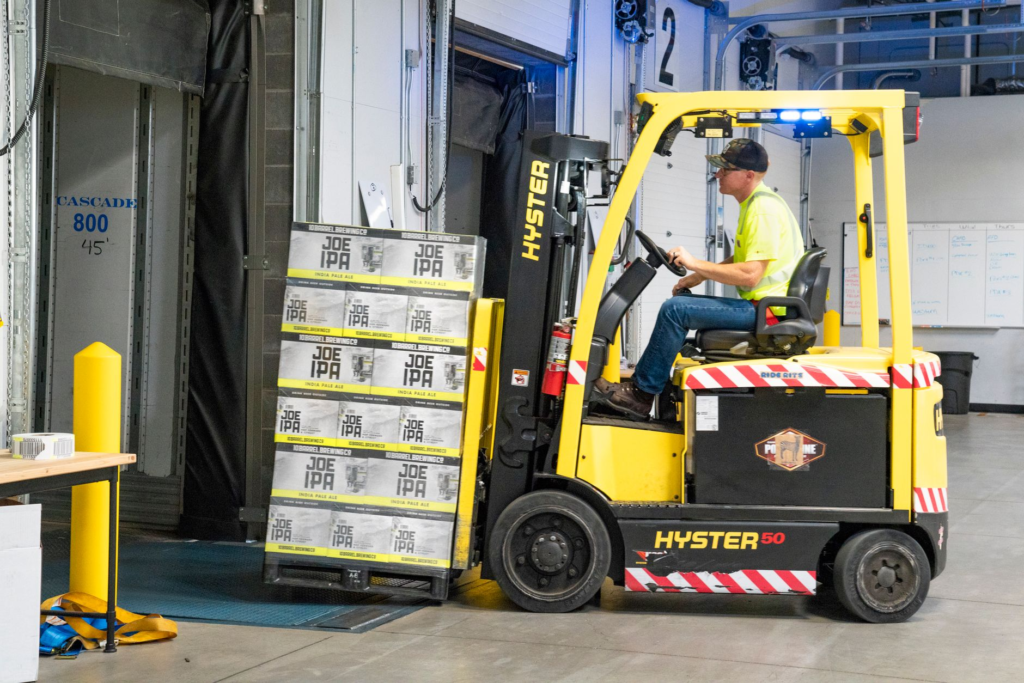
Driver’s license renewals, CPR certifications, and many other forms of competency validation aren’t one-and-done affairs—they typically require periodic refreshers. Similarly, offering instruction on safe operations needs to be a continual process in warehousing and light industrial workplaces. Rotating staff, changing project loads, and new technology implementations mean that methods must stay flexible. Employees might learn better through hands-on demonstrations of updated forklift procedures, while others appreciate instructional videos or slide decks. By providing frequent sessions, businesses can maintain a knowledgeable workforce that remains resilient even when operational requirements shift. It’s especially productive to schedule these lessons during slower periods, ensuring that employees can focus on absorbing essential tips without the pressure of looming deadlines or a hectic floor.
Keeping Everyone Equipped and Prepared
One of the most tangible expressions of an organization’s investment in worker health is the provision of quality personal protective equipment (PPE). Whether it’s protective eyewear, gloves, or specialized apparatus for machine operators, these items need to be well-maintained, promptly replaced, and accompanied by clear usage instructions. Stocking extra supplies—like spill-remediation kits or portable cooling devices—demonstrates long-range foresight and a genuine concern for employee well-being. Performing regular inventory checks further ensures that employees won’t be left scrambling for compromised gear at a critical moment. Even small and midsized employers can optimize procurement strategies by focusing on supplier relationships that promise durability and fair pricing, thus providing sustained safety benefits on a modest budget.
Adjusting Strategies to Each Season’s Challenges
While a strong year-round protocol underpins any reliable plan, it’s also worthwhile to address the seasonal curveballs that complicate daily tasks. During frigid stretches, floors can become slicker—especially near loading docks—making thorough ice removal, slip-resistant mats, or highly visible caution signs indispensable. In the peak of summer, the specter of heat exhaustion or dehydration requires attention, with shaded rest areas, hydration stations, and cooling aids becoming critical investments. Likewise, sudden temperature swings in spring or autumn can disrupt machinery or cause condensation on equipment, highlighting the importance of climate-adjusted maintenance checks. By building these preparations into scheduling, small businesses gain an edge, maintaining operational consistency even when the weather tries to interfere.
Encouraging Engagement and Accountability
Although proper training and high-quality equipment are crucial, a culture of shared responsibility amplifies their effectiveness. Employees who feel personally responsible for not just their own well-being but also that of peers transform safety from a set of rigid directives into a deeply held belief. Small actions, such as praising teams who spot and remedy a minor hazard before it escalates, resonate powerfully. Brief “safety huddles” at the start of each shift allow workers to raise immediate concerns—maybe a loose cable here or a leaky container there—so that swift action can be taken. These moments build camaraderie and reinforce the idea that every voice is essential. Over time, a shared sense of watchfulness becomes normal, and workers collectively uphold expectations, leading to fewer accidents and heightened morale.
Finding the Right People for an Ongoing Commitment
Another key factor in preserving a safe environment all year is selecting individuals who genuinely appreciate the importance of careful operations. Interviews or skill assessments might incorporate scenario-based questions that reveal how applicants react under stress or handle unexpected workplace dilemmas. For instance, forklift drivers may be tested in both slow and peak periods, giving management a clearer view of their capacity to uphold rules, stay composed, and prioritize unimpeded movement through the facility. This strategic approach to hiring pays dividends down the line: staff who arrive with a safety-first mindset are more likely to blend seamlessly into an environment where prevention is prized. As a result, the entire community benefits from reliable, attentive colleagues who consistently act with prudence.
Sustaining a Competitive Advantage
Making safety a hallmark of team culture helps businesses differentiate themselves in a sector that often battles high turnover and stiff competition. Reliable procedures, robust training schedules, and accessible protective gear reduce disruptions caused by incidents, ultimately boosting operational efficiency. Workers who feel secure tend to remain with a company, fostering a more experienced, stable, and collaborative workforce. Over the long haul, these facets also directly influence client satisfaction: well-protected employees are more productive, more willing to handle urgent orders, and more dedicated to upholding quality standards. In supply chain sectors across the Southeastern United States, these attributes prove crucial not just for daily success but for enhancing a company’s reputation as an employer of choice.
Resilience Through a Year-Round Approach
Whether dealing with fast-paced holiday shipping surges or routine upkeep during quieter intervals, sustaining a perpetual focus on safety weaves stability into every layer of the organization. Developing robust programs that adapt to the changing seasons, providing top-notch resources, and reminding personnel of their individual and collective responsibilities establishes a powerful foundation. While each workplace’s tactics might vary—some might emphasize cross-training, while others reinforce daily inspections— the common denominator should be an unwavering dedication to safeguarding employees and assets. This persistent dedication often serves as a bellwether for how a company treats its people, reflecting a sense of empathy and professionalism that resonates widely with customers, job candidates, and current staff alike.
At the heart of it all, safety best practices can make or break an organization’s success, especially in an industry where physical tasks and mechanized equipment converge in a fast-paced environment. Every hour that passes without incident translates to saved costs, satisfied clients, and employees who genuinely enjoy coming to work. Maintaining a year-round safety ethos isn’t just the ethical choice; it’s a competitive advantage. By blending seasonal considerations with consistent oversight, businesses create workplaces that run smoothly and appeal to people seeking secure, positive conditions in which to thrive.
Partnering for Workplace Protection
Primero Staffing recognizes that dependable workforce solutions must include a strong emphasis on ongoing protection and risk mitigation. We offer flexible staffing services across the Southeastern United States to support businesses that value consistent safety measures and wish to foster a culture of prevention. Crafting a reliable structure of year-round precautions isn’t only about avoiding accidents; it’s also about building trust, boosting efficiency, and preserving well-being. This blend of compliance and compassion ultimately brings out the best in every warehouse and light industrial operation, ensuring a secure environment that helps both organizations and their teams excel.