In the dynamic world of warehousing and light industrial services, forging a reputation for excellence often goes hand in hand with finding ways to elevate even the most repetitive tasks. At Primero Staffing, a leading provider of staffing solutions in the Southeastern U.S., we understand that remaining engaged and motivated despite routine assignments can significantly influence one’s long-term growth. To truly stand out and gain recognition, employees must approach daily responsibilities with a fresh perspective, a desire to innovate, and a commitment to achieving superior results. The strategies below offer guidance on transforming predictable workloads into opportunities for professional advancement all while contributing meaningfully to the broader team.
Seeing Mundane Tasks Through a New Lens
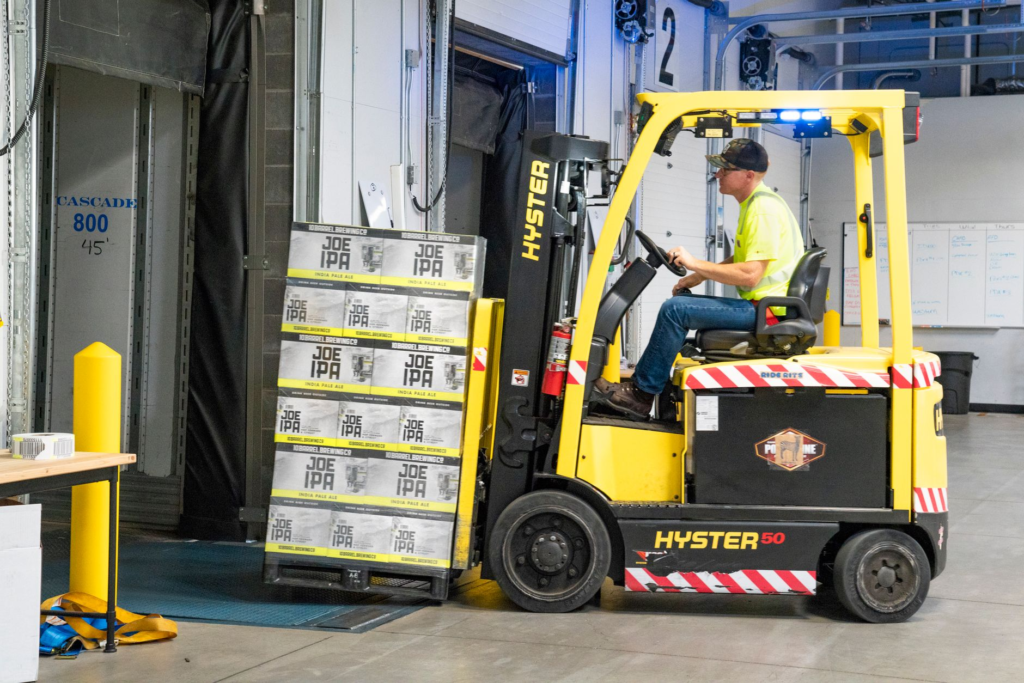
Jobs in warehousing and manufacturing environments can often appear cyclical: forklift drivers load and unload shipments day after day, and production line workers repeat the same sequence of duties. Yet, these predictable activities frequently hide small improvements that can deliver substantial time savings and better outcomes. For example, a forklift operator might observe that rearranging the layout of frequently accessed products reduces congestion in the aisles. Similarly, a picker/packer might notice that using color-coded containers for fragile items lessens breakage and streamlines the packaging process.
By turning routine tasks into opportunities for critical thinking, employees show initiative that catches the attention of supervisors and peers alike. Individuals who consistently provide efficient suggestions demonstrate that they’re not just performing a job—they’re actively improving the entire operation. This approach helps maintain a sense of engagement, transforming otherwise monotonous duties into meaningful contributions. It also reinforces the importance of adaptability in a field that regularly demands speed, accuracy, and resilience.
The Power of Peer Mentorship
When assignments start to feel repetitive, exploring mentorship can give them new life. Offering to guide an inexperienced colleague or learn from a more seasoned veteran can reignite a sense of purpose. In warehouse environments, where employees work with specialized machinery or complex procedures, hands-on teaching can enhance morale and sharpen everyone’s skill set.
Mentorship benefits both parties: the mentor solidifies their expertise by explaining tasks, while the mentee gains valuable insights, speeding up their learning curve. Mentors in roles such as machine operators or forklift drivers can share practical tips—like ways to maneuver equipment in tight spaces or methods to optimize picking pathways on a busy floor. Not only does this knowledge transfer raise overall efficiency, but it also helps foster the idea that personal success and team success can be unified goals. Even in smaller firms, establishing a peer mentorship culture encourages strong relationships, making the workplace more enjoyable and reinforcing the concept that every role—no matter how routine—can empower others.
Redefining Processes to Promote Efficiency
One of the clearest ways to stand out is by bringing tangible process improvements to the table. Supervisors typically appreciate workers who strive to make their collective operations more streamlined. A production line employee might detect that restructuring the sequence of steps for an assembly process decreases idle time, while a warehouse associate could propose reorganizing the storage racks so that high-demand items are within closer reach. These small adjustments often generate significant boosts in productivity.
Developing a culture that values employee-driven process innovations sets the stage for ongoing improvements. When individuals know their constructive feedback is welcomed, they share observations more readily—some of which can lead to measurable results in metrics such as lead time, error rates, and cost savings. In industries that contend with tight margins, even modest optimizations can be substantial game-changers. Workers, in turn, feel a renewed sense of fulfillment because they are genuinely shaping operations rather than merely following directives.
Tapping into the Constant Feedback Loop
Requesting and offering consistent feedback is another key tactic for injecting vitality into routine tasks. Fostering a two-way communication channel—where employees discuss obstacles, strengths, and areas for development—supports the idea of continuous betterment. For instance, a machine operator might share issues related to maintenance downtimes, prompting the team to brainstorm schedule changes that minimize disruption. Alternatively, a supervisor could outline performance metrics for each shift, showing how meeting precise benchmarks contributes to the facility’s larger objectives.
In environments governed by deadlines and efficiency targets, making data-driven decisions backed by candid feedback can avert repetition-induced stagnation. When people understand where they excel and where there’s room for improvement, it becomes simpler to remain motivated, even when tasks repeat daily. Furthermore, managers who regularly communicate relevant performance information build trust, enhance accountability, and secure buy-in for further process refinements. Such a culture thrives on collaboration, keeps morale high, and ensures that workers don’t become disengaged through routines that could otherwise feel automatic.
Earning Recognition Through Initiative
Standing out isn’t just about completing one’s core role; it often involves raising a hand for additional or cross-functional responsibilities. Forklift drivers who use slow periods to inspect machinery for minor repairs, or warehouse custodial technicians who volunteer to help label boxes when shorthanded, cultivate a reputation for self-starting behavior that managers hold in high regard. Initiating voluntary tasks also enriches one’s skill set, increasing an individual’s versatility.
Beyond personal development, these added efforts improve the group’s camaraderie. When another team member sees a colleague going the extra mile, it fosters a spirit of reciprocity—everyone pitches in a bit more, driving a positive cycle of collaboration. In smaller organizations, especially, each worker’s willingness to shoulder incremental tasks can tip the scales toward consistent high performance. Those who show that they care about the entire operation, not just their corner of it, often become the dependable contributors others turn to for support and guidance.
Keeping a Forward-Thinking Mindset
Another way to stand out when assignments start to blend together is to maintain a mindset that views each day as an opportunity. Ask yourself, “How can I refine this task?” or “Is there a more effective tool or system we haven’t tried?” This forward-thinking stance ensures that employees are always one step ahead. Whether it’s incorporating new software that tracks inventory positions or introducing a method to color-code different shipment categories, such ideas often differentiate proactive workers from those content with the status quo.
While not every proposal will be practical, simply taking the time to explore prospective changes demonstrates a commitment to progress. Capturing manager buy-in often hinges on your willingness to show how these recommendations align with operational goals. Include information about how the improvement saves money, cuts down on errors, or reduces the time it takes to fulfill orders. When you couple any suggestion with a rationale based on real-world benefits, it’s tough to ignore.
Empowering Personal Growth Beyond the Workplace
Job satisfaction often flourishes when employees recognize that the lessons learned on the warehouse or production floor have a wider application. Problem-solving skills honed while juggling multiple tasks at once translate into everyday life. The confidence gained by streamlining a process can support leadership actions in one’s community. If repetitive undertakings begin to feel stifling, it can be helpful to reflect on how these skills apply broadly, transforming monotony into fuel for personal progress.
Relishing small improvements—like devising a superior labeling approach or spearheading a safer, more ergonomic workflow—reinforces the notion that incremental victories accumulate into noteworthy milestones. Demonstrating excellence in each scenario fosters a sense of confidence that extends beyond the daily grind, benefitting individuals both professionally and personally.
Putting It All Together
Embracing a culture of incremental improvements, mentorship, consistent feedback, and proactive engagement is essential for transforming predictable assignments into growth opportunities. In settings where time is of the essence and precision is paramount, standing out means continuously pushing the envelope, looking for ways to contribute at higher levels, and uniting with peers in solving workplace challenges. Over time, such dedication shapes a reputation for dependability, ingenuity, and teamwork—attributes that are invaluable in any industry.
At Primero Staffing, we recognize the powerful impact of a motivated workforce on the success of any warehousing, light industrial, or manufacturing operation. By matching businesses with individuals who embrace new challenges, seize opportunities for improvement, and support their teams, we help ensure that routine tasks become stepping stones for innovation and advancement.